How I Learned to Keep My Ninja Coffee Maker Running Like New (And You Can Too)
Contents
- How I Learned to Keep My Ninja Coffee Maker Running Like New (And You Can Too)
- Why Your Coffee Maker Needs Daily Love
- Daily Rituals That Take Less Than 5 Minutes
- Weekly Deep Clean Sessions
- The Game-Changing Descaling Process
- Component-by-Component Cleaning Secrets
- Maintenance Strategies That Actually Work
Cleaning your Ninja coffee maker properly transformed my morning routine from bitter disappointment to caffeinated bliss.
I used to wonder why my coffee tasted like it came from a gas station despite using premium beans. The answer hit me harder than my first espresso shot of the day. My beloved Ninja coffee maker was dirtier than my teenager’s bedroom.
Why Your Coffee Maker Needs Daily Love
Every coffee lover faces this dilemma. You want that perfect cup, but cleaning feels like a chore that can wait until tomorrow. Tomorrow becomes next week. Next week becomes “when did I last clean this thing?”
I learned the hard way that neglecting daily maintenance turns your coffee maker into a bacteria playground. The oils from coffee beans go rancid. Mineral deposits clog the internal systems. Your morning brew starts tasting like disappointment served hot.
Daily Rituals That Take Less Than 5 Minutes
After each brewing session, I follow this simple routine:
- Remove the carafe immediately after pouring
- Hand wash it with warm, soapy water using a gentle dish sponge
- Pop out the filter basket and rinse thoroughly
- Wipe down the exterior with a damp cloth
- Leave everything to air dry
The key is consistency. I treat this like brushing my teeth – non-negotiable daily hygiene.
Weekly Deep Clean Sessions
Every Sunday, I give my coffee maker the spa treatment it deserves.
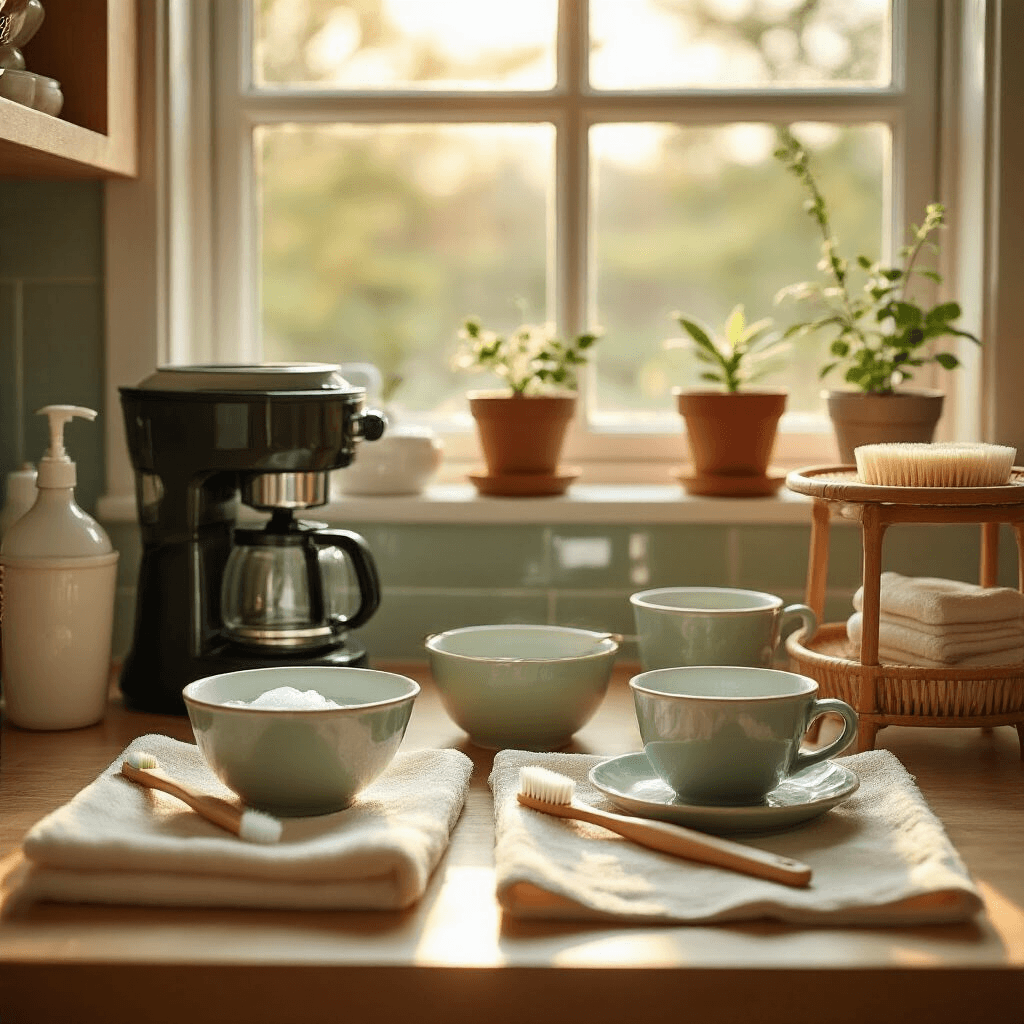
The permanent filter gets special attention because coffee oils love to hide in those tiny mesh holes. I use an old soft-bristled toothbrush to gently scrub away stubborn residue.
For the brew basket, I’ve discovered that soaking it in warm soapy water for 10 minutes makes cleaning effortless. No scrubbing required. Just rinse and admire the sparkle.
The Game-Changing Descaling Process
This monthly ritual saved my coffee maker’s life.
Every 30-60 days (depending on your water hardness), mineral deposits try to stage a hostile takeover of your machine’s internal plumbing. Descaling sends them packing.
My Foolproof Descaling Method:
Step 1: Mix the Magic Potion
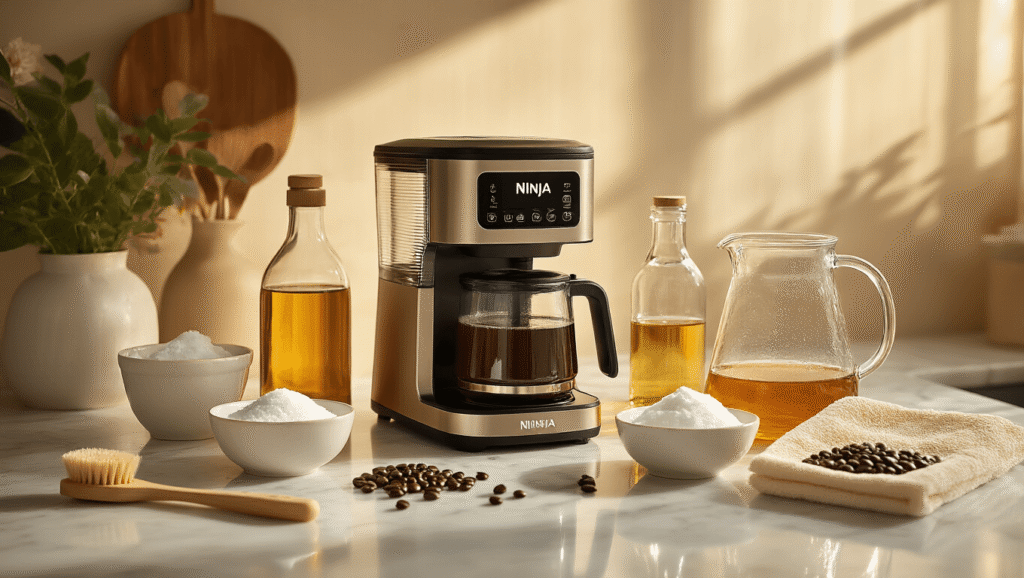
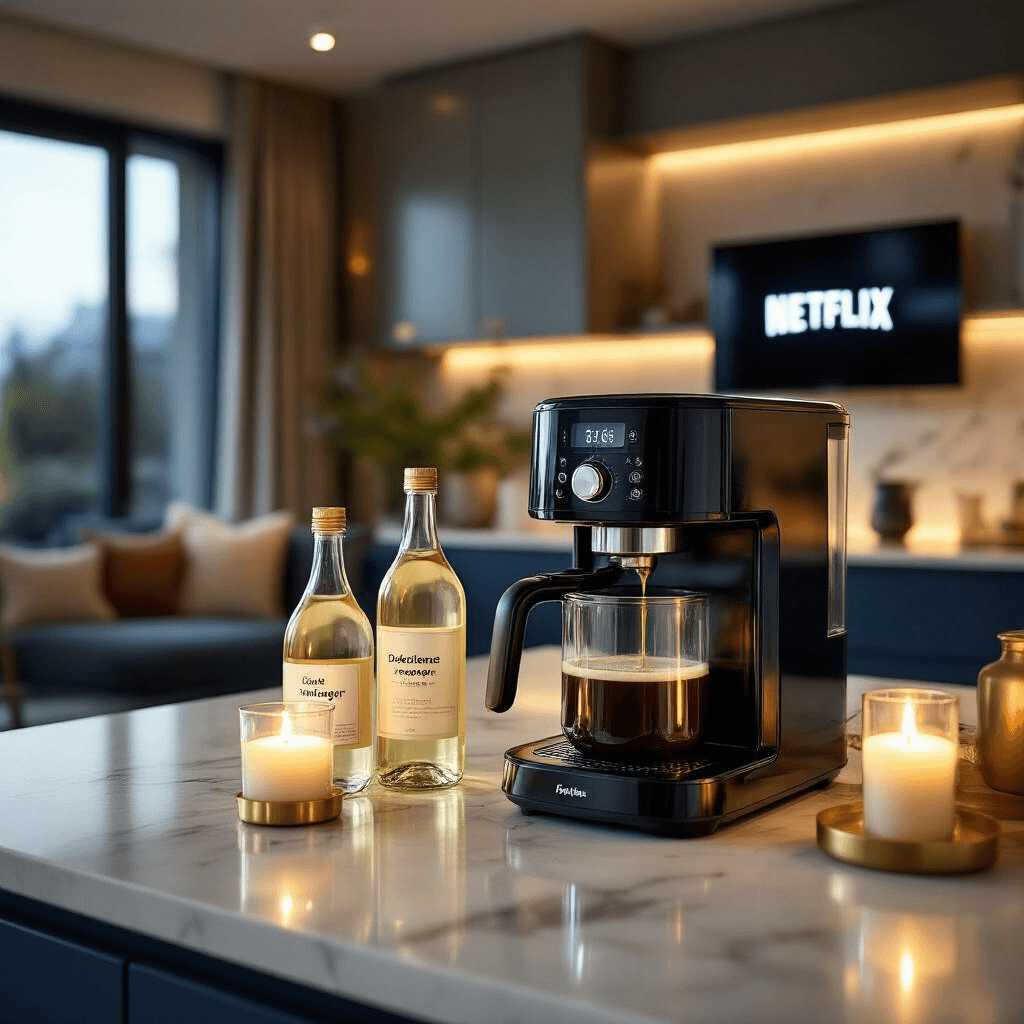
Add two cups of distilled white vinegar to the empty water reservoir. Fill the rest with cold water to the “Max Fill” line.
Step 2: Let the Machine Work Its Magic
Place the carafe on the drip tray. Select “Full Carafe” size. Press that “Clean” button and walk away. The cycle takes about 60 minutes – perfect time for a Netflix episode.
Step 3: Flush Out the Evidence
Empty the vinegar solution (it’ll look disgustingly brown if you’ve been neglecting your machine). Run two to three complete cycles with clean water. This step is crucial – nobody wants vinegar-flavored coffee.
Step 4: Final Carafe Wash
Wash the carafe with warm soapy water to eliminate any lingering descaling solution taste.
Component-by-Component Cleaning Secrets
Filter Basket and Carafe Deep Dive
For stubborn coffee stains that make your equipment look ancient:
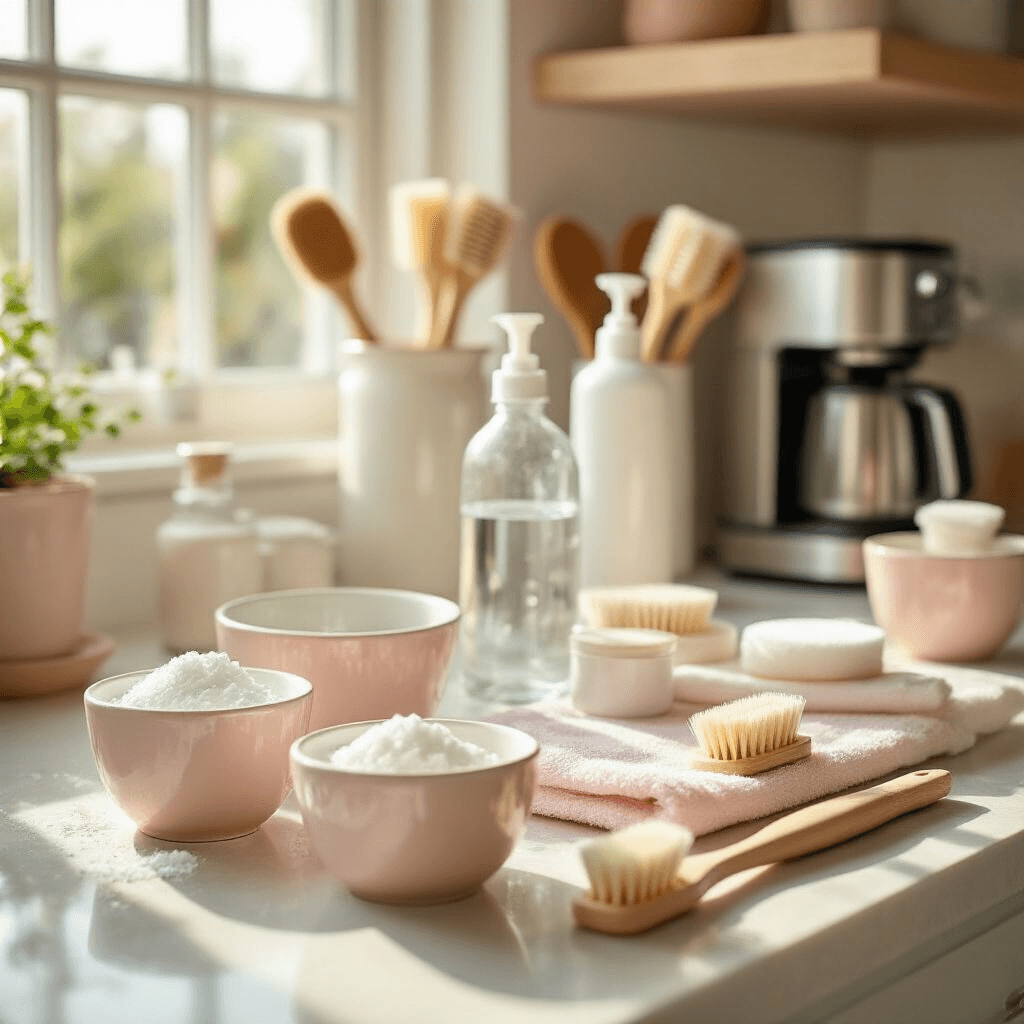
Mix baking soda with water to create a paste. Scrub gently with a soft brush. Focus on crevices where coffee oils love to hide. Rinse thoroughly – baking soda residue tastes terrible.
I learned this trick after expensive coffee cleaners failed miserably. Sometimes the simplest solutions work best.
Water Reservoir Restoration
The water reservoir deserves special attention.
Remove it completely (if possible on your model). Rinse with warm water first. Use mild dish soap with a soft cloth. Pay extra attention to corners where mineral deposits accumulate.
Pro tip: Use a bottle brush for hard-to-reach areas. Rinse multiple times – soap residue ruins coffee faster than you can say “bitter disappointment.” Air dry completely before reattaching.
Exterior Surface Excellence
Always unplug your machine first. I learned this rule after getting a small shock that made me jump like a caffeinated kangaroo.
Use a damp, lint-free cloth. Avoid harsh cleaners that can damage the finish. Never let excessive water seep into electronic components.
Maintenance Strategies That Actually Work
Water Quality Makes Everything Easier
Filtered water changed my cleaning game completely.
Hard water creates mineral buildup faster than you can say “descaling nightmare.” I invested in a simple water filter pitcher and noticed immediate differences.
Less mineral buildup means:
- Easier cleaning sessions
- Better-tasting coffee
- Longer machine lifespan
- Fewer descaling emergencies
Replace Water Filters Religiously
Every two months, like clockwork.
Set a phone reminder. Write it on your calendar. Tattoo it on your forehead if necessary.
Old filters stop filtering and start contributing to the problem.
Taste Test Warning Signs
Your taste buds are the best maintenance indicators.
When coffee starts tasting:
- More bitter than usual
- Slightly metallic
- Just “off” somehow
It’s descaling
This post may contain affiliate links. Please see my disclosure policy for details.