Built-In Coffee Makers: My Journey From Kitchen Chaos to Caffeinated Bliss
Contents
- Built-In Coffee Makers: My Journey From Kitchen Chaos to Caffeinated Bliss
- What Exactly Is a Built-In Coffee Maker?
- The Built-In Coffee Revolution: Features That’ll Blow Your Mind
- Installation Reality Check: What You Need to Know
- Maintenance: Less Nightmare, More Dream
- Cost Reality: Investment vs. Daily Coffee Shop Runs
- Brand Breakdown: Who Makes the Best Built-In Coffee Makers
Built-in coffee makers changed everything for me, and I’m about to tell you exactly why your morning routine deserves this upgrade.
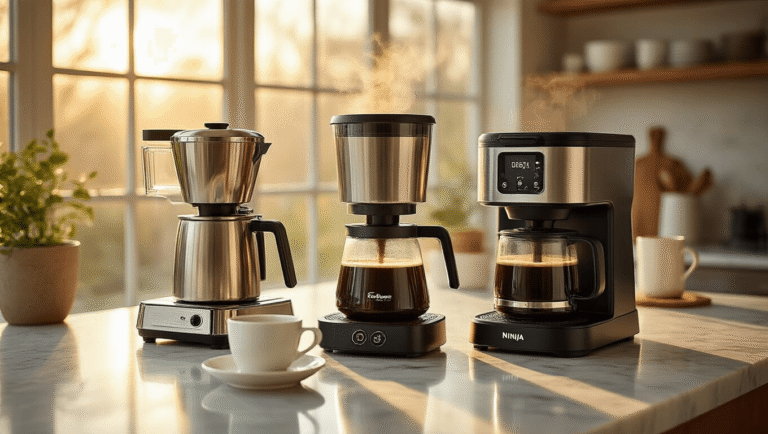
Picture this: You stumble into your kitchen at 6 AM, desperate for that first cup of liquid motivation. Your countertop looks like a coffee shop exploded. There’s the bulky espresso machine hogging prime real estate. The grinder taking up more space. Milk frother somewhere in the cabinet. And don’t get me started on the tangled cord situation.
Sound familiar?
I lived this chaos for years until I discovered the game-changing world of built-in coffee systems.
What Exactly Is a Built-In Coffee Maker?
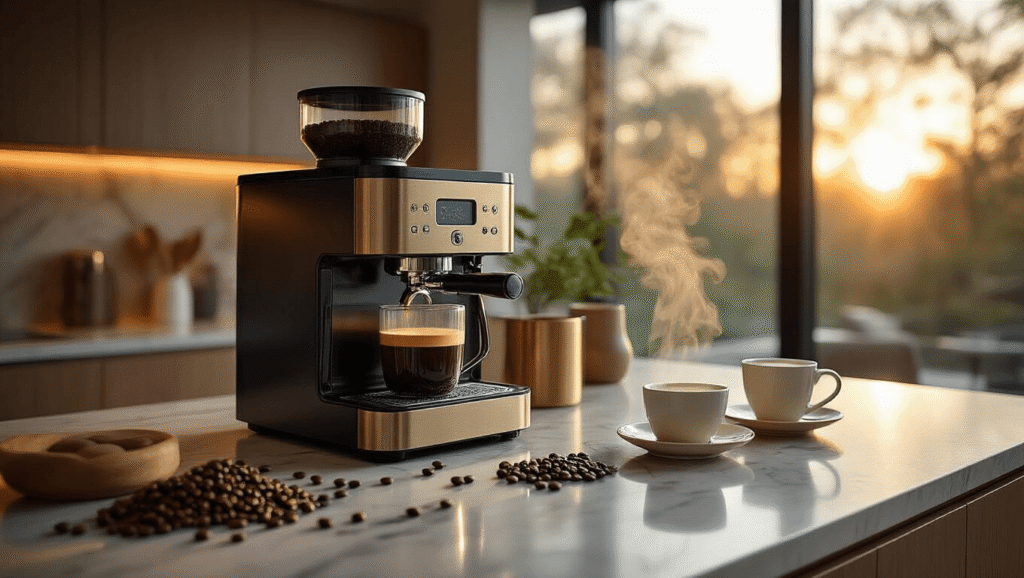
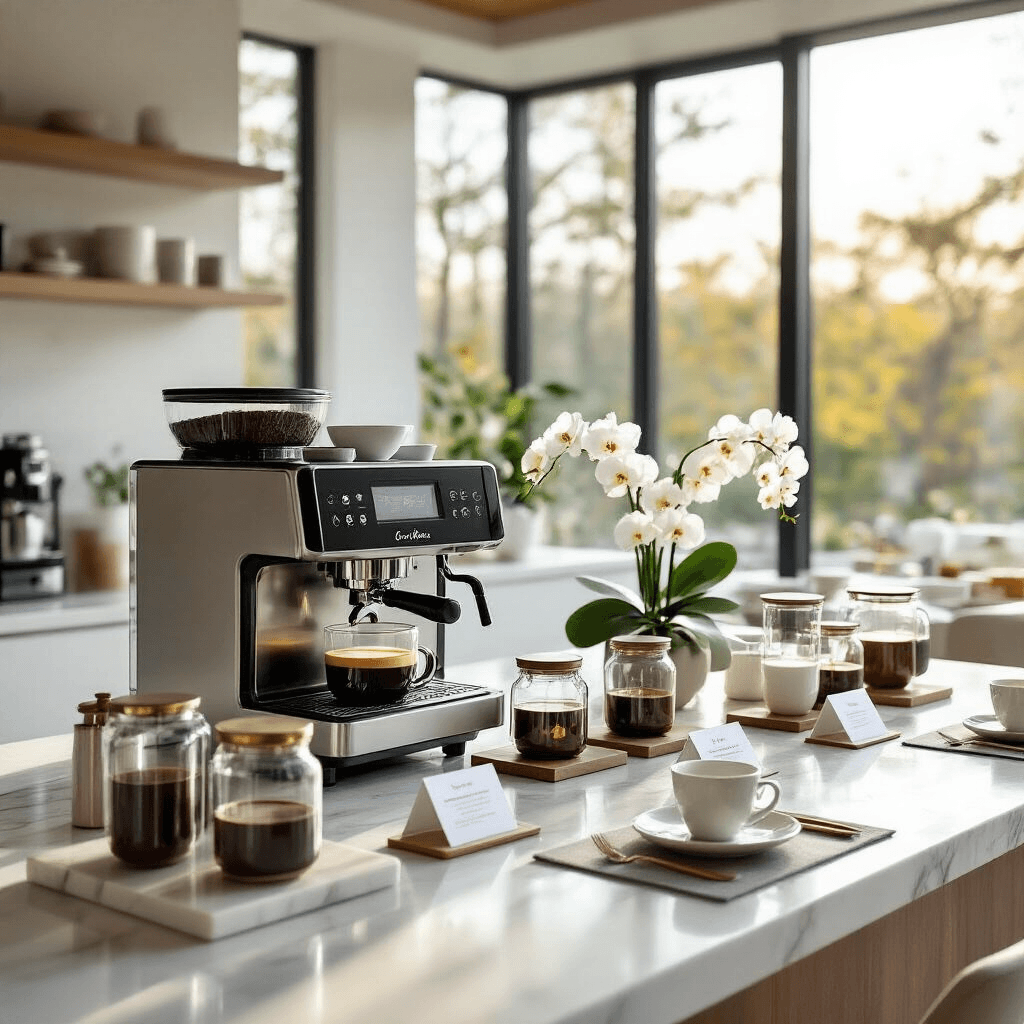
Built-in coffee makers are sophisticated brewing systems that integrate seamlessly into your kitchen cabinetry or wall units. Think of them as the Tesla of coffee machines. Sleek, smart, and engineered to disappear into your kitchen design while delivering barista-quality results.
Unlike their countertop cousins that squat on your precious workspace, these beauties become part of your kitchen’s DNA. They’re permanently installed, usually at eye level or in a convenient cabinet location.
Here’s what makes them special:
- Space liberation – Your counters become functional again
- Professional aesthetics – No more appliance clutter
- Advanced brewing technology – Features that would make your local barista jealous
- Customization options – Tailored to your exact coffee preferences

The Built-In Coffee Revolution: Features That’ll Blow Your Mind
I remember the first time I used a built-in espresso machine at my friend’s house. The thing was like a NASA control panel, but for caffeine addicts.
Bean-to-Cup Magic:
Most built-in systems include integrated grinders that transform whole beans into liquid gold. Fresh grinding happens seconds before brewing. The difference in taste? Absolutely mind-blowing.
Milk System Mastery:
Forget manual frothing that makes your arm feel like you’ve been rowing a boat. These machines feature automatic milk systems that create silky microfoam. Cappuccinos, lattes, flat whites – all at the touch of a button.
Temperature Precision:
Water temperature matters more than most people realize. Built-in machines maintain optimal brewing temperatures between 195-205°F. Your coffee tastes consistent every single time.
Programming Genius:
Remember your perfect morning brew? These machines do. Save up to 10 different drink profiles. Your spouse likes weak coffee? You prefer rocket fuel strength? No problem.
Installation Reality Check: What You Need to Know
Installing a built-in coffee maker isn’t like plugging in a toaster. I learned this the hard way during my kitchen renovation.
Electrical Requirements:
Most units need dedicated 220V electrical connections. Standard household outlets won’t cut it. Budget for an electrician unless you’re comfortable with serious electrical work.
Space Considerations:
Measure twice, order once. Standard built-in coffee machines require:
- Height: 17-19 inches
- Width: 24 inches
- Depth: 22-25 inches
- Ventilation clearance: 6 inches minimum
Plumbing Options:
Here’s where it gets interesting. You have two choices:
Manual Fill Systems:
Most popular option. You fill a removable water tank (usually 2-3 liters). No plumbing required. Perfect for most home installations.
Direct Plumbing:
Professional-grade setup. Connects directly to your water line. Automatic filling and drainage. More complex installation but ultimate convenience.

Maintenance: Less Nightmare, More Dream
Remember those horror stories about espresso machine maintenance? Modern built-in coffee makers have solved most of these headaches.
Automatic Cleaning Cycles:
The machine tells you when it needs attention. Most cleaning happens automatically:
- Auto-rinse after each brew
- Milk system purging
- Descaling reminders with guided processes
User-Friendly Maintenance:
- Removable brewing units
- Dishwasher-safe components
- Easy-access drip trays
- Simple water filter replacements
I spend maybe 5 minutes per week on maintenance. Compare that to the 30 minutes I used to spend cleaning my old setup.

Cost Reality: Investment vs. Daily Coffee Shop Runs
Let’s talk numbers because I know you’re wondering.
Built-in coffee maker prices range dramatically:
- Entry-level models: $1,500-$2,500
- Mid-range options: $2,500-$4,000
- High-end systems: $4,000-$8,000+
Seems expensive? Let me share my math.
Before my built-in system, I spent $6 daily at coffee shops. That’s $2,190 per year. My wife added another $4 daily. Combined: $3,650 annually.
Our premium coffee machine cost $3,200. It paid for itself in 11 months. Now we’re saving money while drinking better coffee.
Brand Breakdown: Who Makes the Best Built-In Coffee Makers
I’ve tested extensively (tough job, I know). Here’s my honest assessment:
Miele:
The Mercedes of coffee machines. German engineering at its finest. Incredible build quality. Price reflects the premium positioning.
Gaggenau:
Luxury meets innovation. Beautiful designs that complement high-end kitchens. Professional-grade features. Investment-level pricing.
Thermador:
Solid performer with good feature sets. More accessible pricing. Reliable customer service. Good balance of quality and value.
Wolf:
Restaurant-quality engineering. Built like tanks. Exceptional customer support.
This post may contain affiliate links. Please see my disclosure policy for details.