Japandi Coffee Tables: Your Gateway to Zen-Meets-Hygge Living
Contents
- Japandi Coffee Tables: Your Gateway to Zen-Meets-Hygge Living
- What Makes Japandi Coffee Tables So Damn Special?
- Materials That’ll Make Your Heart Skip a Beat
- Round vs. Rectangle: The Great Shape Showdown
- The Art of Styling Without Overthinking
- Small Space Magic Tricks
- The Real Talk: What You Need to Know Before Buying
Japandi coffee tables represent the perfect marriage between Japanese minimalism and Scandinavian warmth – and honestly, I can’t think of a better centerpiece for creating that effortlessly calm vibe we’re all desperately craving these days.
You know that feeling when you walk into a room and immediately exhale? That’s what a well-chosen Japandi coffee table does for your space. It’s not just furniture – it’s a mood setter.
What Makes Japandi Coffee Tables So Damn Special?
Let me paint you a picture. I walked into my friend Sarah’s living room last month and literally stopped in my tracks. Her space felt like a meditation retreat, but somehow still screamed “come sit and stay awhile.”
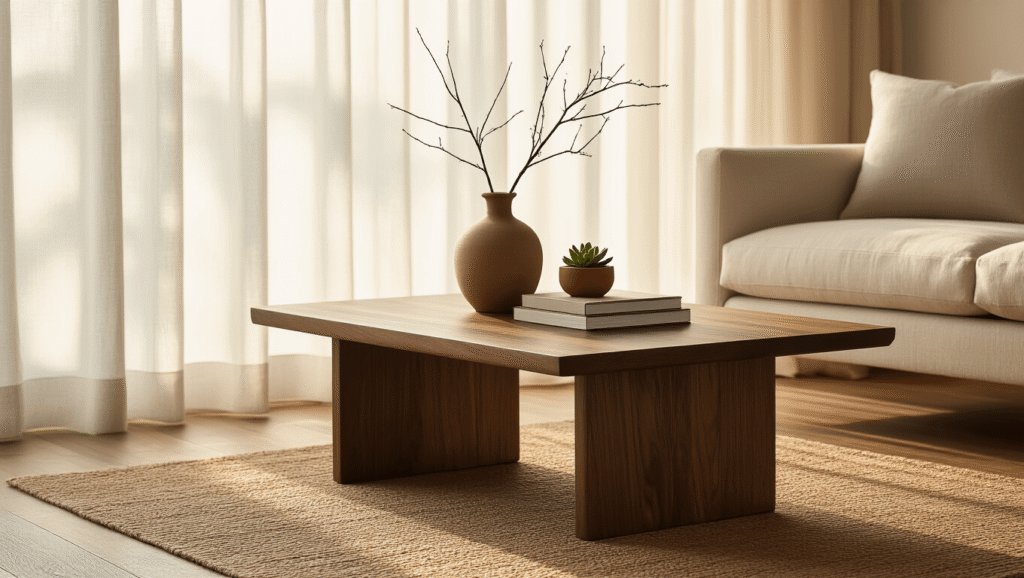
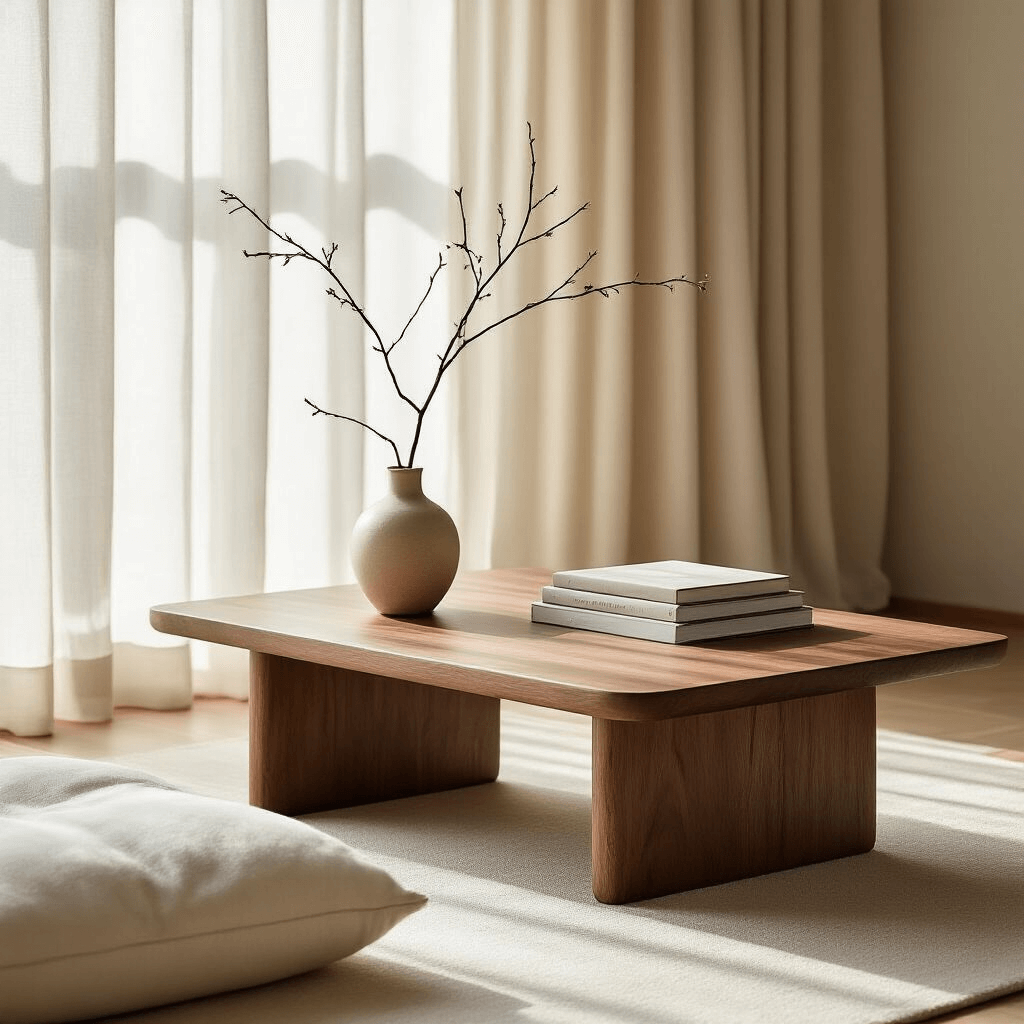
The secret weapon? A gorgeous walnut coffee table sitting low and proud in the center of her seating area.
The Design DNA That Sets Them Apart
Japandi coffee tables aren’t trying to be the loudest thing in your room. They’re the strong, silent type that:
- Hug the ground with low, grounded profiles that make your space feel instantly more zen
- Celebrate clean lines without being cold or sterile
- Show off natural materials like they’re pieces of art (because they are!)
- Hide clutter cleverly with open storage that doesn’t look like storage
Materials That’ll Make Your Heart Skip a Beat
Here’s where things get really exciting. These tables are basically nature’s greatest hits album in furniture form.
Wood That Actually Tells a Story
Solid Oak: The reliable friend of the wood world
- Ages like fine wine
- Handles daily life like a champ
- Develops character over time (unlike my ex)
Warm Walnut: The sophisticated choice
- Rich chocolate tones that make everything else look expensive
- Natural grain patterns that are better than any art piece
Light Ash: The Scandinavian sweetheart
- Brightens spaces without trying too hard
- Pairs beautifully with literally everything
Bamboo: The eco-warrior option
- Sustainable and strong
- Adds texture without overwhelming
I splurged on an ash wood coffee table last year, and it’s still the first thing guests comment on.
Round vs. Rectangle: The Great Shape Showdown
This is where things get personal. Your coffee table shape says something about you – and your lifestyle.
Round Tables: The Social Butterflies
Round Japandi tables are like that friend who makes everyone feel included.
Why I’m obsessed with them:
- No sharp corners (goodbye, bruised shins!)
- Create natural conversation flow
- Make small spaces feel bigger
- Perfect for families with tiny humans who run into everything
Best for:
- Cozy apartment living
- Social spaces where conversation flows
- Anyone who values safety over sharp angles
Rectangular Tables: The Practical Powerhouses
Rectangle tables mean business. They’re the ones who always have their life together and plenty of surface space to prove it.
What makes them winners:
- Maximum surface area for your coffee, books, and random life items
- Anchor large seating areas like pros
- Provide structure in open-plan spaces
- Offer more storage opportunities
A rectangular low profile coffee table saved my sanity when I moved into a larger space and needed something substantial enough to hold its own.
The Art of Styling Without Overthinking
Here’s where most people mess up royally. They think more stuff equals more style.
Wrong.
The Magic Number: Three
I learned this the hard way after cluttering my beautiful table with every decorative object I owned. Now I stick to the rule of three:
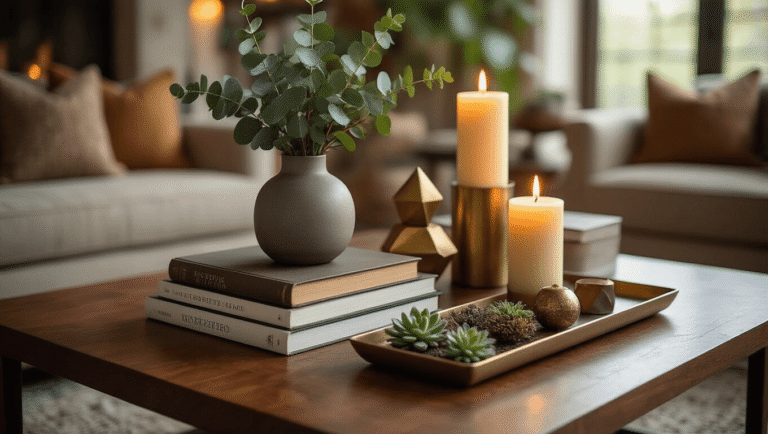
Option 1: The Minimalist’s Dream
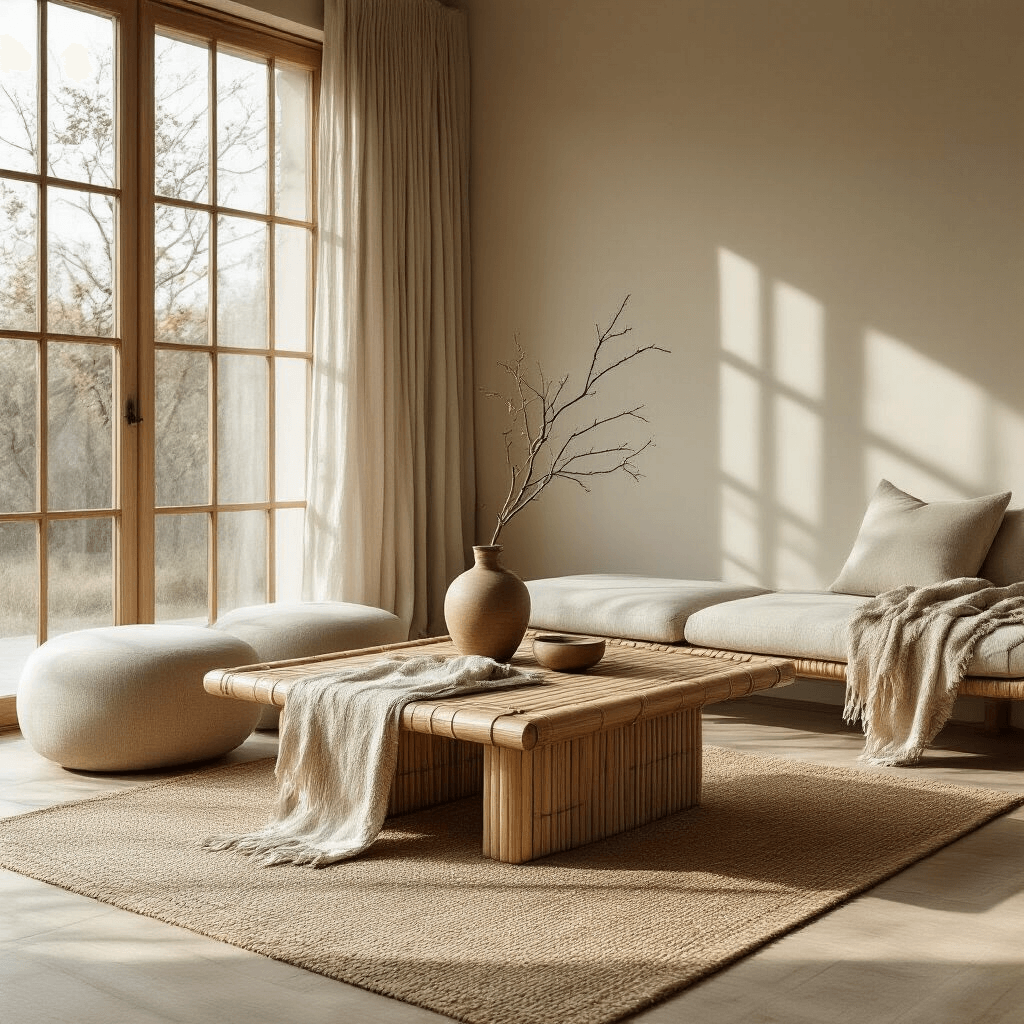
- One ceramic vase with a single branch
- Stack of two meaningful books
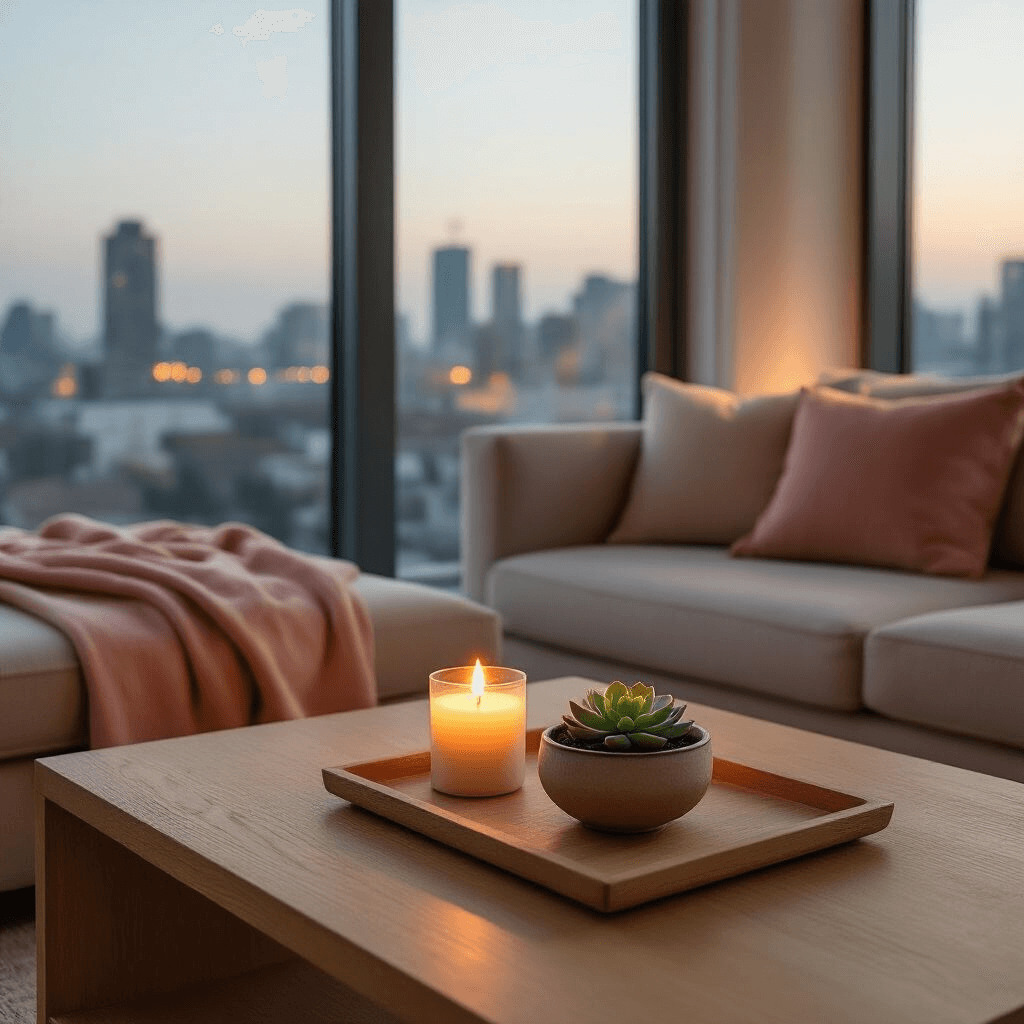
- Small potted plant (succulents are foolproof)
Option 2: The Functional Beauty
- Beautiful tray to corral essentials
- Candle that actually smells good
- Your current favorite book (spine out, because we’re not animals)
Option 3: The Curator’s Choice
- One statement piece (sculpture, bowl, whatever speaks to you)
- Fresh flowers in season
- Nothing else (seriously, resist the urge)
Small Space Magic Tricks
Living in a shoebox apartment? Japandi coffee tables are your secret weapon.
Why They Work in Tight Quarters
The low profile creates the illusion of more vertical space. Open bases let light flow through. Clean lines don’t compete with your already-cramped quarters.
I recommend looking for small space coffee tables with built-in storage – they’re lifesavers when every square inch counts.
The Real Talk: What You Need to Know Before Buying
Quality Indicators That Matter
Look for:
- Solid wood construction (not veneer over particle board)
- Hand-finished edges that feel smooth
- Joinery that doesn’t rely solely on screws
- Weight that suggests substance
Red flags:
- Perfect uniformity (real wood has character)
- Rock-bottom prices (good materials cost money)
- Assembly instructions that look like origami
This post may contain affiliate links. Please see my disclosure policy for details.