Why Vintage Coffee Tables Beat Modern Knockoffs Every Time
Contents
Let me be blunt here.
Modern furniture often feels like it was designed by committee and built to last exactly three years. Vintage pieces were built when furniture makers actually gave a damn about their craft.
Here’s what you get with vintage:
- Real wood construction (not particle board wrapped in plastic)
- Joinery techniques that have held strong for decades
- Design details that required actual skill to create
- A story and character you simply cannot buy new
- Environmental sustainability (reusing existing furniture)
I bought my first vintage coffee table at an estate sale for $75, and it’s still the piece everyone asks about when they visit.
The Most Stunning Vintage Coffee Table Styles
Mid-Century Modern (The Crowd Favorite)
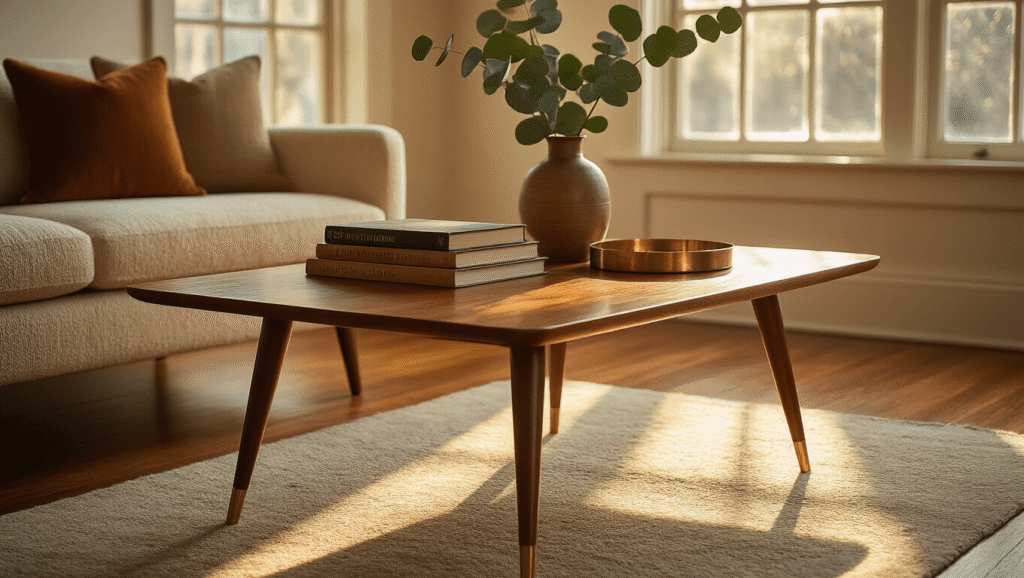
MCM coffee tables are having their moment, and honestly, they deserve it.
These pieces from the 1950s-1970s feature clean lines, tapered legs, and that perfect balance between form and function that designers today keep trying (and failing) to replicate.
Common MCM features:
- Teak, walnut, or rosewood construction
- Geometric shapes and angled legs
- Built-in storage or two-tier designs
- Brass or metal accents
- Low-profile silhouettes
I’ve seen people pay $800+ for reproduction MCM tables when the real deal often costs the same or less at estate sales. Makes no sense to me.

Hollywood Regency (Drama Queen Style)
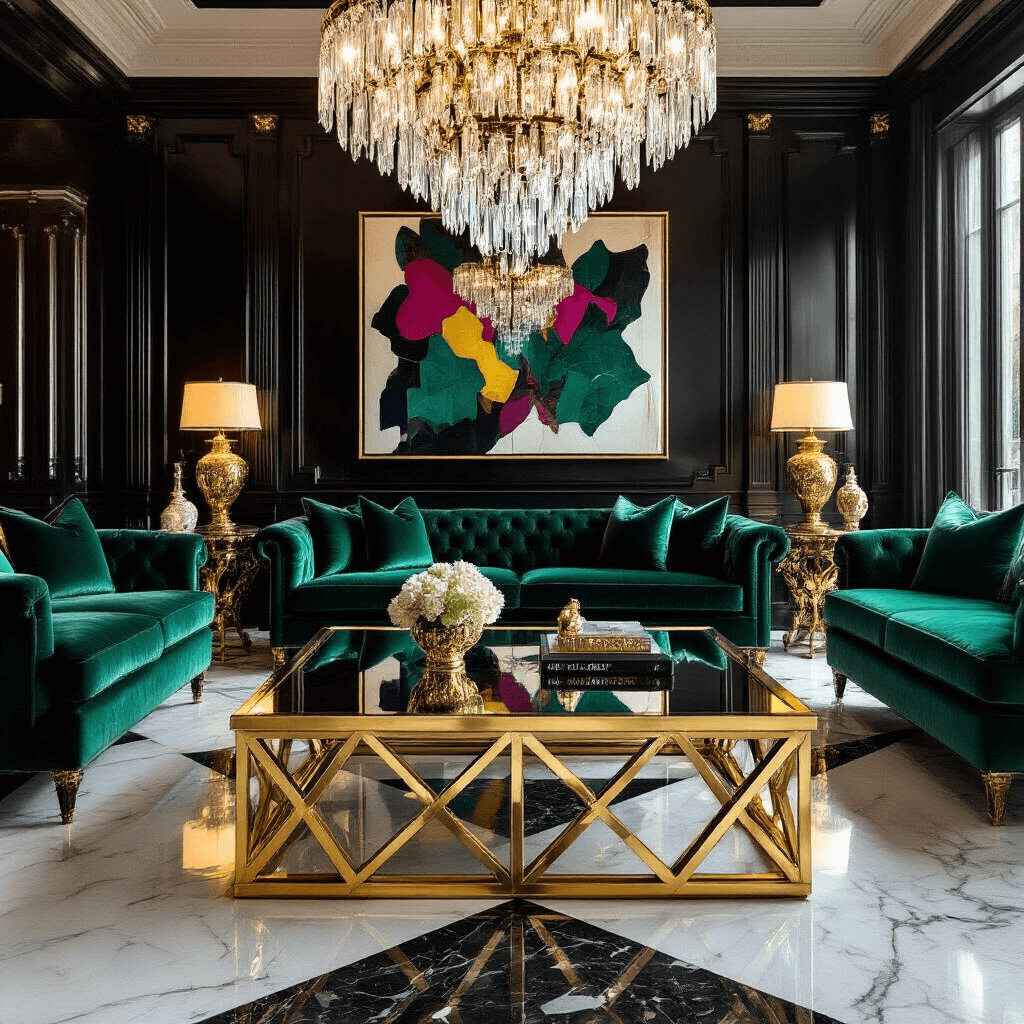
If Mid-Century Modern is the minimalist friend, Hollywood Regency is the one who shows up in a sequined jacket.
These tables scream luxury with brass frames, mirrored surfaces, and sculptural forms that look like they belong in a 1970s movie star’s mansion.
Hollywood Regency hallmarks:
- Metallic finishes (brass, chrome, gold)
- Glass or mirrored tops
- Ornate detailing
- Bold geometric shapes
- High-contrast materials
Perfect if your aesthetic leans toward “more is more.”
French Provincial (Romantic and Refined)
These are the coffee tables your grandmother might have owned, and honestly, grandma had taste.
French Provincial pieces feature curved legs, ornate carvings, and a romanticism that softer, more traditional spaces absolutely devour.
French Provincial characteristics:
- Curved cabriole legs
- Carved wood details
- Light wood finishes or painted surfaces
- Delicate proportions
- Classic, timeless shapes
I once found a French provincial coffee table at a thrift store for $40 that needed nothing but a good cleaning. Sometimes the universe just gifts you things.
Industrial Vintage (Raw and Rugged)
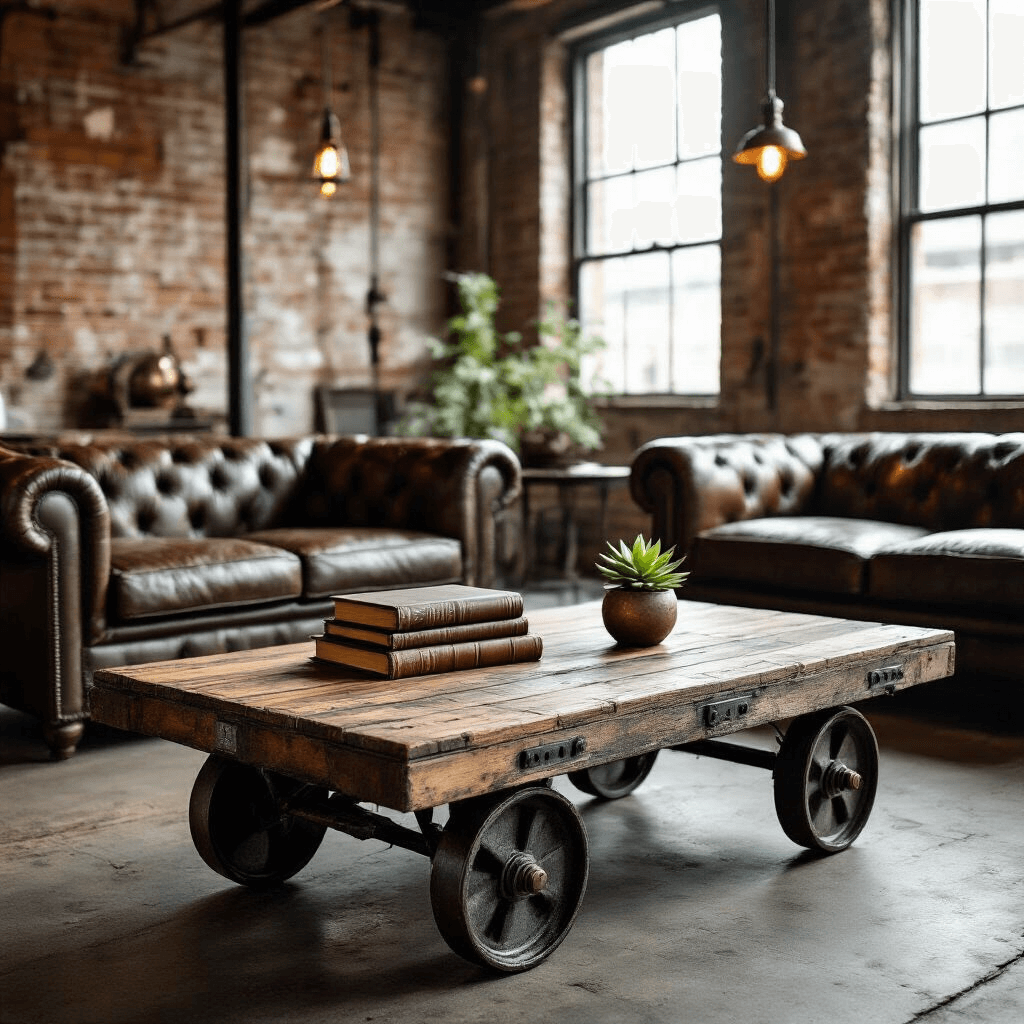
Factory carts, workshop tables, and industrial pieces bring that raw, unfinished aesthetic that works beautifully in lofts and modern spaces.
Industrial features:
- Metal frames and hardware
- Reclaimed wood tops
- Visible bolts and rivets
- Castors or industrial legs
- Utilitarian design
These pieces tell stories of actual work and function, which I find far more interesting than something manufactured to look “distressed.”
Round vs. Rectangular: The Shape Showdown
This isn’t just about aesthetics.
Shape changes how your entire room functions.
Round Vintage Coffee Tables
Advantages:
- No sharp corners (lifesaver with kids or clumsy guests)
- Better traffic flow in smaller spaces
- Creates conversational, intimate groupings
- Visually softer and more approachable
- Works beautifully with sectional sofas
Challenges:
- Less surface area for styling or entertaining
- Can feel lost in very large rooms
- Harder to pair with rectangular furniture
I have a round vintage coffee table in my family room, and the flow around it is noticeably better than the rectangular beast it replaced.
Rectangular Vintage Coffee Tables
Advantages:
- Maximum surface area for books, trays, and styling
- Traditional proportions suit most room layouts
- Parallel lines create visual order
- Better for larger gathering spaces
- Easier to find vintage options
Challenges:
- Sharp corners (I’ve collected some bruises)
- Can block pathways in tighter spaces
- Less interesting visually in some styles
Most vintage rectangular coffee tables I’ve found range from 40-60 inches long, which suits standard sofa lengths perfectly.
What to Look for When Hunting Vintage Pieces
I’ve made expensive mistakes, so learn from my pain.
Construction Quality
Check these things before buying:
- Solid wood construction (tap it – solid wood sounds full, particle board sounds hollow)
- Sturdy joinery (no wobbly legs or loose connections)
- Original hardware intact (replacements rarely match the original quality)
- Drawer function if applicable
- Structural soundness of the base
Run your hands under the table. Quality vintage pieces often have details underneath that modern furniture skips entirely.
Finish Condition
Scratches and wear can add character, but you need to know the difference between “charming patina” and “requires full restoration.”
Acceptable wear:
- Minor surface scratches
- Light water rings
- Color variation from sun exposure
- Small nicks and dings
Problem areas:
- Deep gouges through veneer
- Extensive water damage or warping
- Missing veneer sections
- Cracked or split wood
- Broken structural elements
A table needing wood furniture polish and cleaning is one thing. A table needing
This post may contain affiliate links. Please see my disclosure policy for details.