Why Go Plastic-Free? The Hidden Dangers in Your Coffee Brew
Contents
- Why Go Plastic-Free? The Hidden Dangers in Your Coffee Brew
- Top Plastic-Free Coffee Brewing Methods
- Choosing Your Plastic-Free Filter Strategy
- Buyer’s Survival Guide: What to Watch Out For
- The Realistic Expectation: Minimal Plastic is Okay
- Cost vs. Health: Making the Investment
- Final Thoughts: Your Coffee, Your Choice
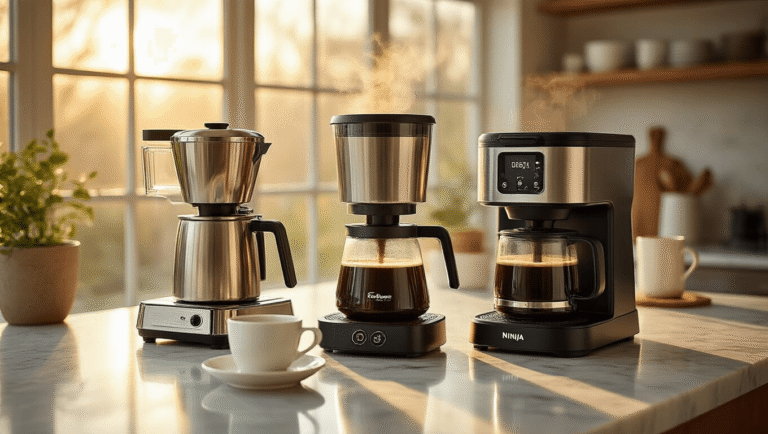
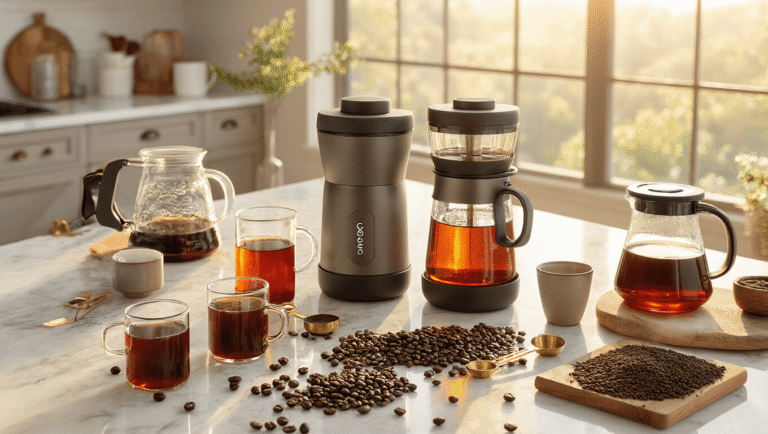
Let’s be real. Your morning coffee shouldn’t come with a side of microplastics.
Every time you brew coffee with a plastic machine, you’re potentially exposing yourself to harmful chemicals. BPA, phthalates, and other nasties leach into your precious morning brew when hot water hits plastic components.
Health Risks of Plastic in Coffee Makers
- Potential hormone disruption
- Chemical migration during hot water extraction
- Long-term health concerns from repeated exposure
Top Plastic-Free Coffee Brewing Methods
Manual Brewing Champions
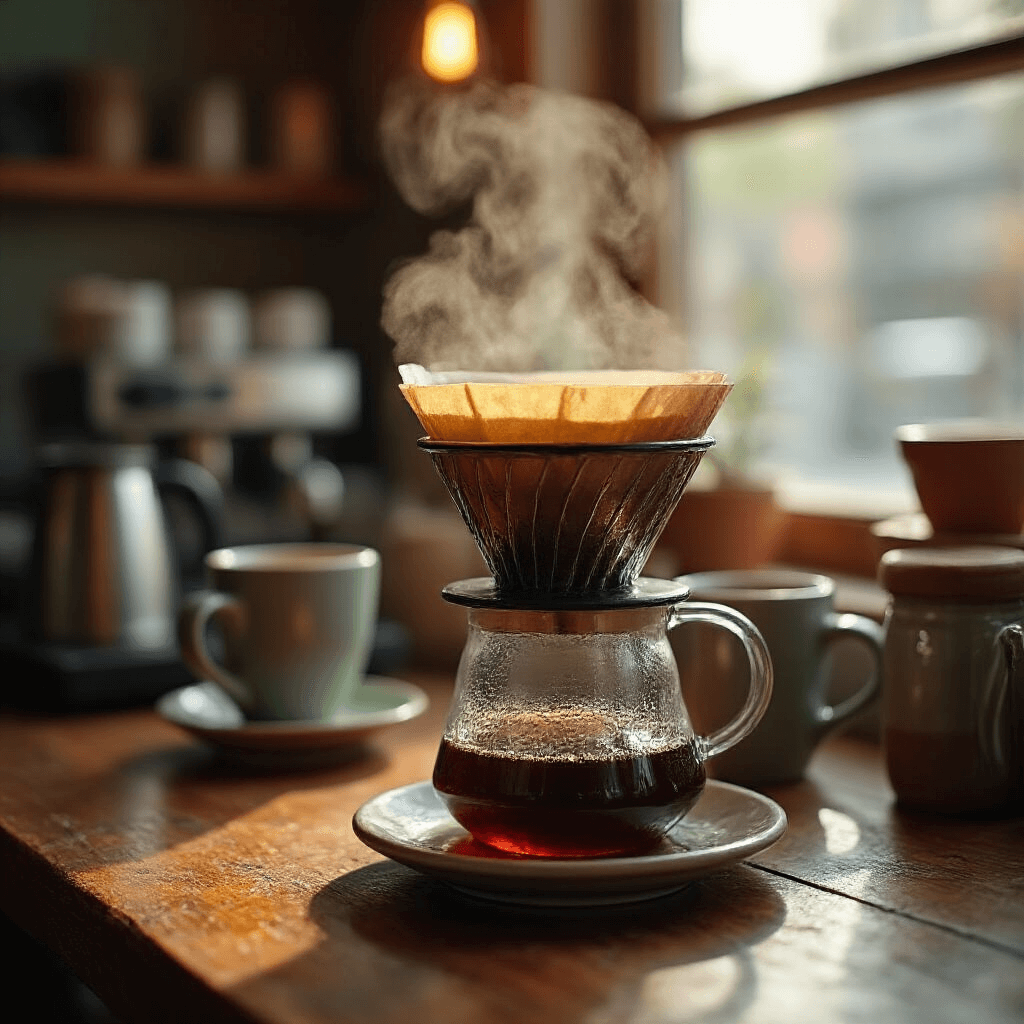
1. Hario V60 Glass Dripper
- 100% glass brewing surface
- Supports pour-over enthusiasts
- Zero plastic contact with coffee

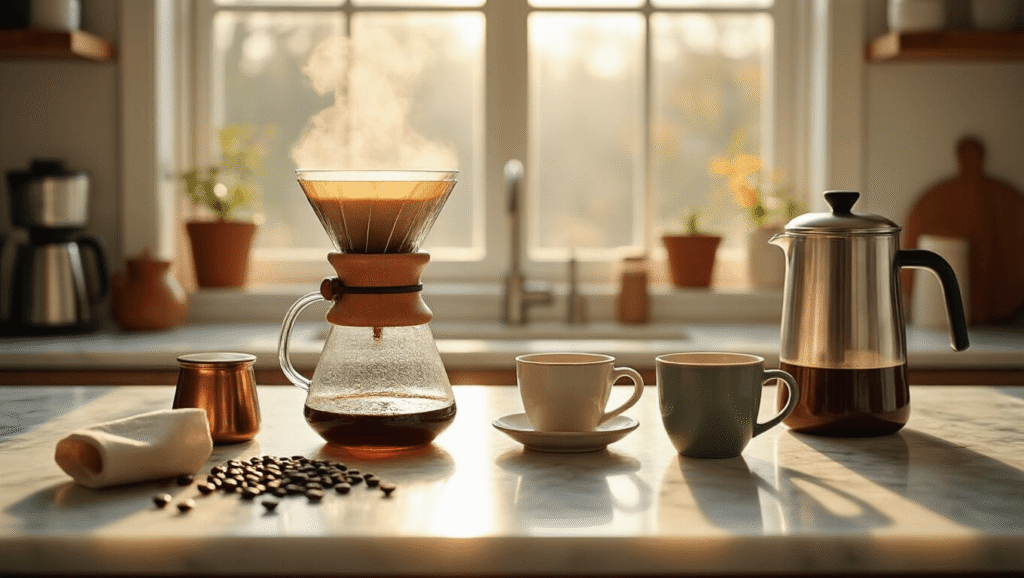
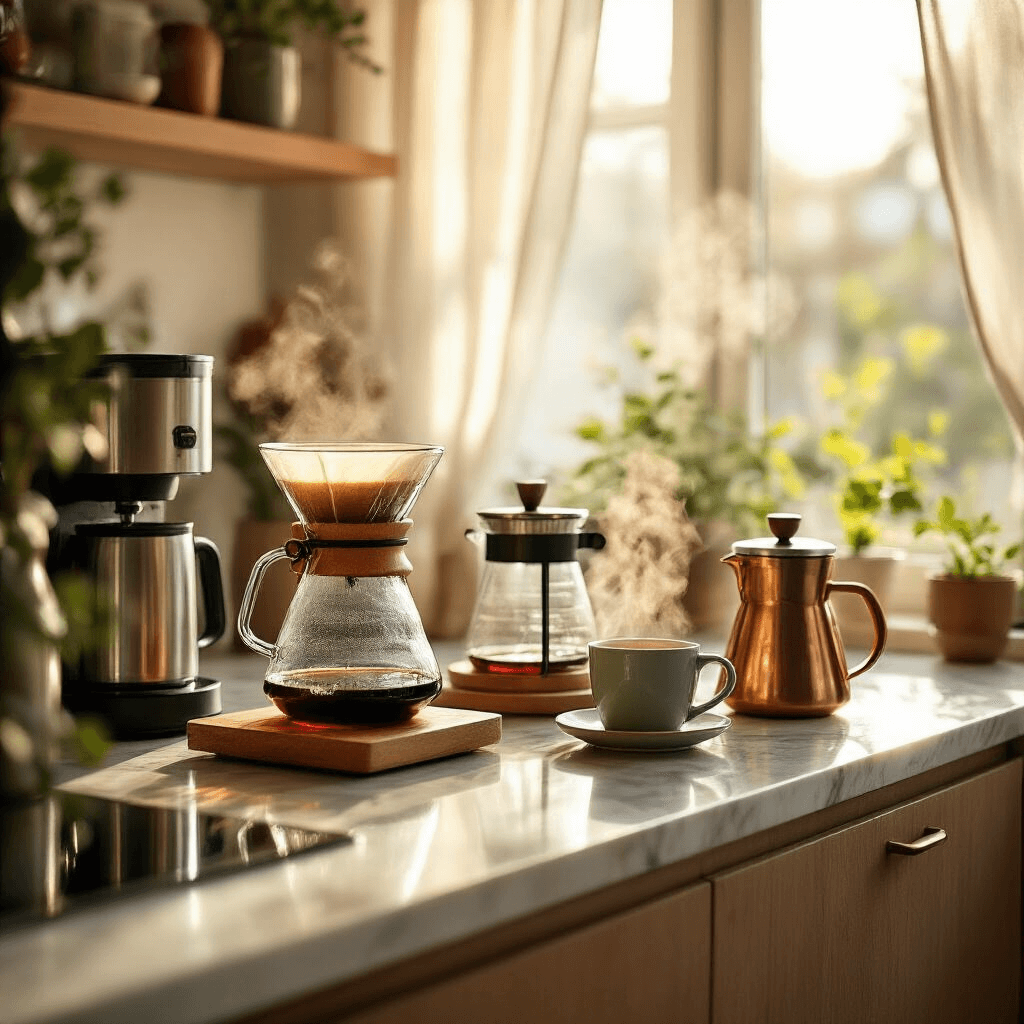
2. Chemex Classic Coffee Maker
- Elegant all-glass design
- Wood collar for stylish handling
- Purist’s choice for clean brewing
3. Frieling Stainless Steel French Press
- Durable stainless steel construction
- No plastic anywhere near your coffee
- Thermal properties keep coffee hot longer
Electric Options for Convenience Seekers
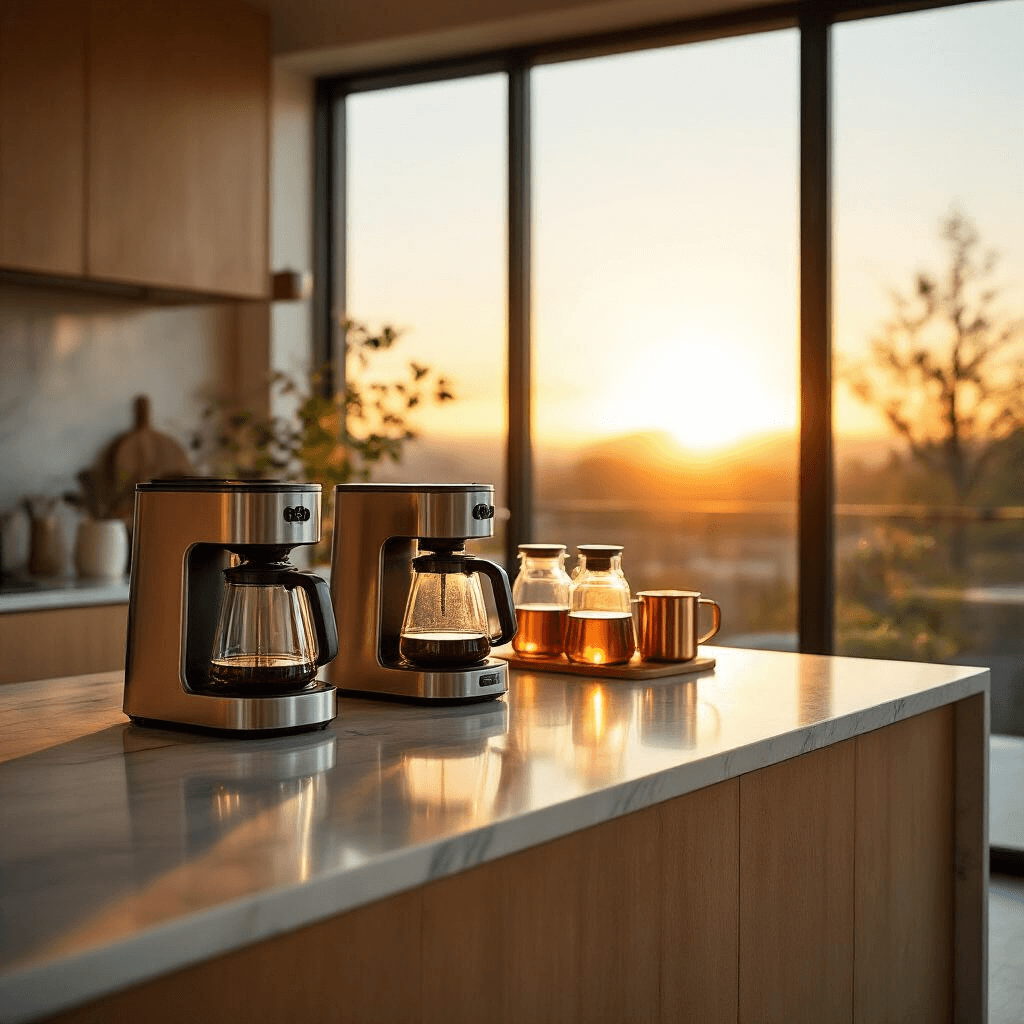
1. Moccamaster: The Gold Standard
- Minimal plastic usage
- Primarily glass and metal components
- Professional-grade brewing consistency
2. Simply Good Coffee Brewer
- Revolutionary stainless steel brewing path
- Eliminates plastic contact completely
- Perfect for health-conscious coffee lovers
Choosing Your Plastic-Free Filter Strategy
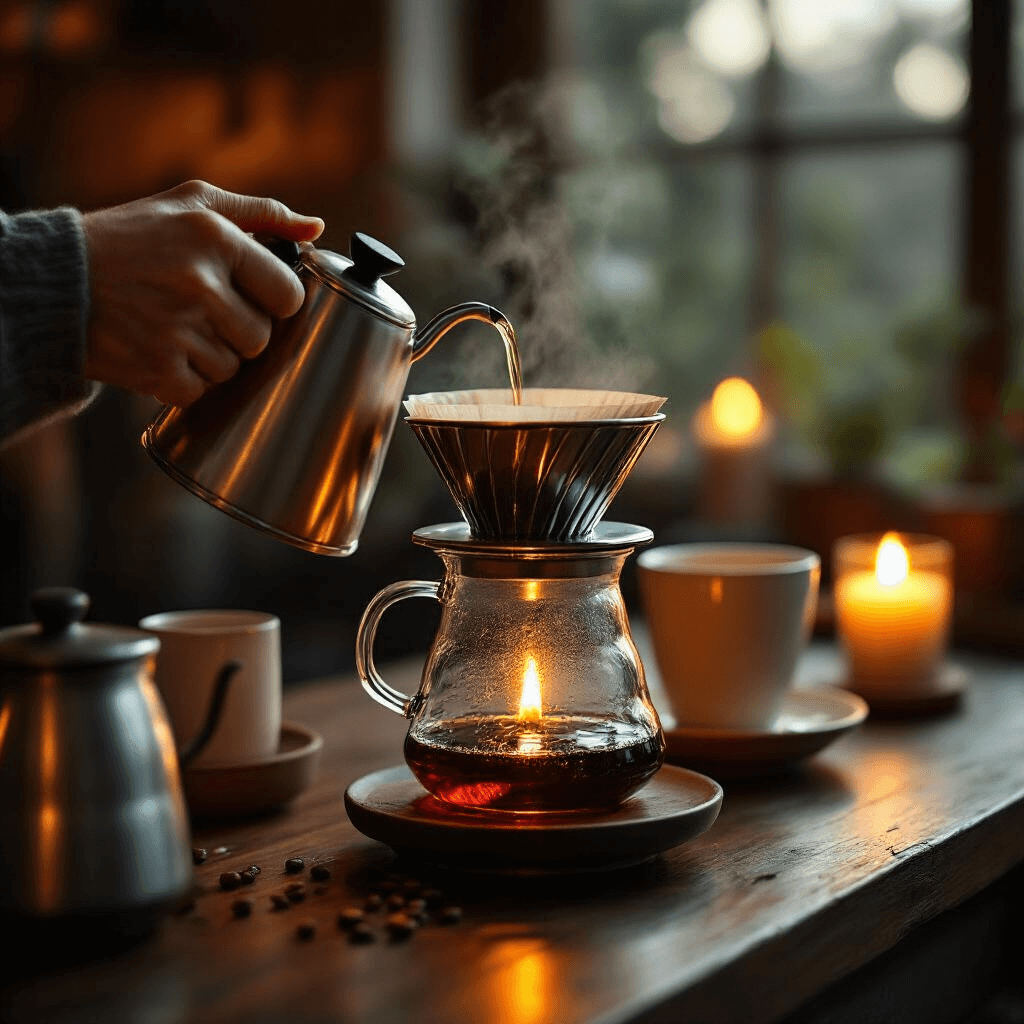
Pro Tip: Your filter matters as much as your brewer!
Filter Options
- Unbleached Compostable Paper Filters
- Organic Cotton Filters
- Reusable Stainless Steel Mesh Filters
Buyer’s Survival Guide: What to Watch Out For
Red Flags When Shopping
- Unclear material descriptions
- Cheap plastic components
- Lack of transparency about brewing materials
Green Flags
- Stainless steel brewing chambers
- Glass or ceramic brewing surfaces
- Detailed material specifications
The Realistic Expectation: Minimal Plastic is Okay
Let’s be transparent. Completely eliminating plastic is challenging. Small silicone seals or rubber components are often necessary and generally considered safe.
Cost vs. Health: Making the Investment
Plastic-free coffee makers might cost more upfront, but consider them an investment in:
- Your health
- Environmental sustainability
- Superior coffee taste
Average Price Range
- Manual Brewers: $30 – $150
- Electric Plastic-Free Machines: $250 – $350
Final Thoughts: Your Coffee, Your Choice
Transitioning to a plastic-free coffee maker isn’t just a trend—it’s a commitment to better brewing, better health, and a better planet.
Pro Recommendation: Start with a Hario V60 Glass Dripper if you’re new to plastic-free brewing. It’s affordable, effective, and a game-changer.
Brew clean. Drink better. 🌿☕
This post may contain affiliate links. Please see my disclosure policy for details.