Non-Toxic Coffee Makers: A Morning Savior
Contents
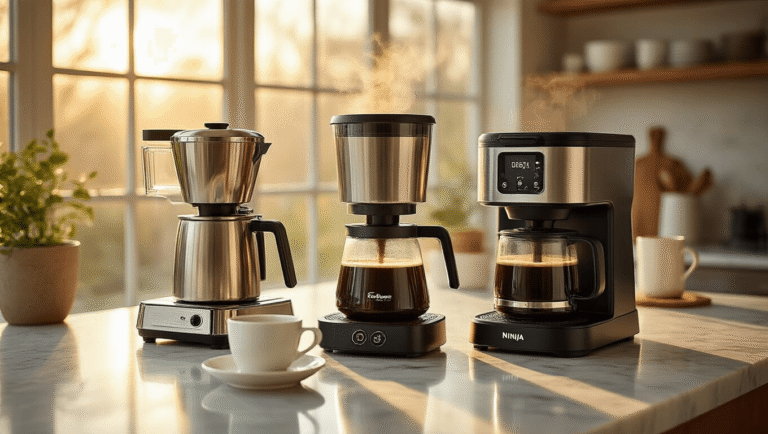
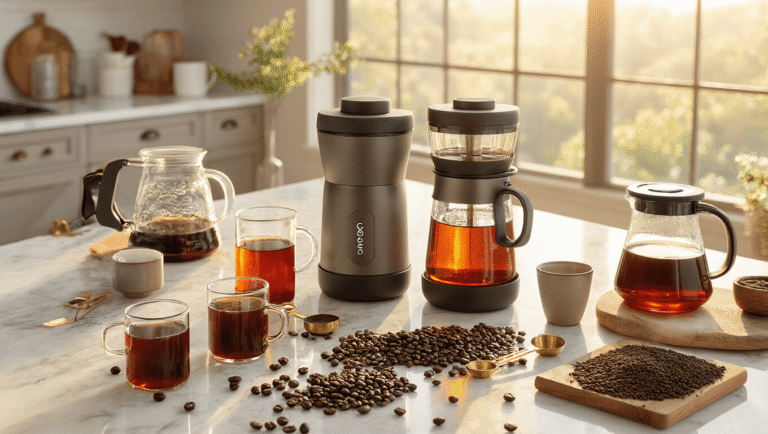
Non-toxic coffee makers saved my mornings after I discovered my old drip machine was leaching chemicals into every cup I drank.
I’m talking about that slightly off taste I’d been ignoring for months.
The plastic smell that hit me when I lifted the lid.
The nagging worry every time I poured myself another cup.
You’re probably here because you’ve felt that same unease, or maybe you’ve finally decided to stop gambling with what touches your morning brew.
Good call.
Why Most Coffee Makers Are Quietly Poisoning Your Morning Ritual
I’ll be blunt.
Most coffee makers sitting on kitchen counters right now contain materials that have no business touching boiling water, let alone the coffee you’re about to drink.
BPA lurks in those cheap plastic water reservoirs, leaching into your brew every single morning.
PFAS chemicals coat non-stick components, the same stuff linked to cancer and high blood pressure that releases toxic fumes when heated.
Even “PFOA-free” labels are deceptive, since manufacturers just swap one sketchy PFAS compound for another equally questionable one.
I learned this the hard way after buying three different “highly rated” coffee makers that all left a weird plasticky aftertaste.
Here’s what actually matters:
- Stainless steel (specifically 18/8 or 18/10 grades) that won’t react with hot liquids
- Borosilicate glass that resists heat and chemicals without breaking down
- Certified ceramic (Prop 65-compliant) that won’t leach heavy metals
- High-grade, certified BPA-free plastics for any components that absolutely must be plastic
Avoid these like they’re contaminated:
- Cheap polycarbonate plastics
- Any Teflon or PTFE coatings
- Colored ceramic glazes (especially reds, oranges, yellows)
- Low-quality metals that might contain lead or cadmium
The Coffee Makers That Actually Pass the Safety Test
For Drip Coffee Lovers Who Won’t Compromise
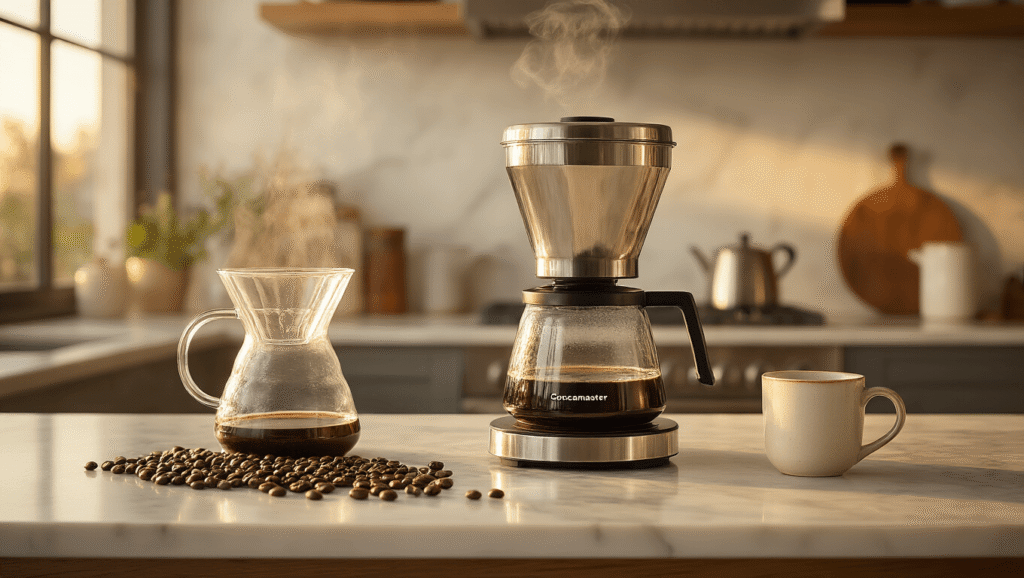
The Technivorm Moccamaster costs more than some people’s monthly coffee budget, but it’s worth every penny.
This Dutch-engineered beauty uses mostly stainless steel and glass, with every plastic component certified free from BPA, BPF, and phthalates.
I’ve been using mine for two years.
Zero plastic taste.
Zero weird smells.
Zero regrets about the price tag.
If you want completely plastic-free, the Bunn VP17-1SS is manufactured entirely from stainless steel, including internal components.
The only plastic bit is the filter basket, which you can swap for Bunn’s all-stainless version.
I tested this in my sister’s cafe, and it brewed consistently excellent coffee for six months straight without any maintenance issues beyond regular descaling.
French Press Options That Won’t Make You Nervous
The Espro P7 French Press changed my weekend mornings completely.
High-quality stainless steel construction.
Certified free from BPA, BPS, and phthalates.
The two-stage filtration eliminates every trace of sediment, giving you smooth, rich coffee without that gritty mouthfeel I used to tolerate.
For something with more visual appeal, the Fellow Clara French Press combines metal and glass beautifully.
Yes, the directional pour lid contains plastic.
But Fellow guarantees it’s high-grade and BPA-free, which matters when you’re working with boiling water.
The enhanced filtration mesh keeps your coffee remarkably clean.
Pour Over Perfection
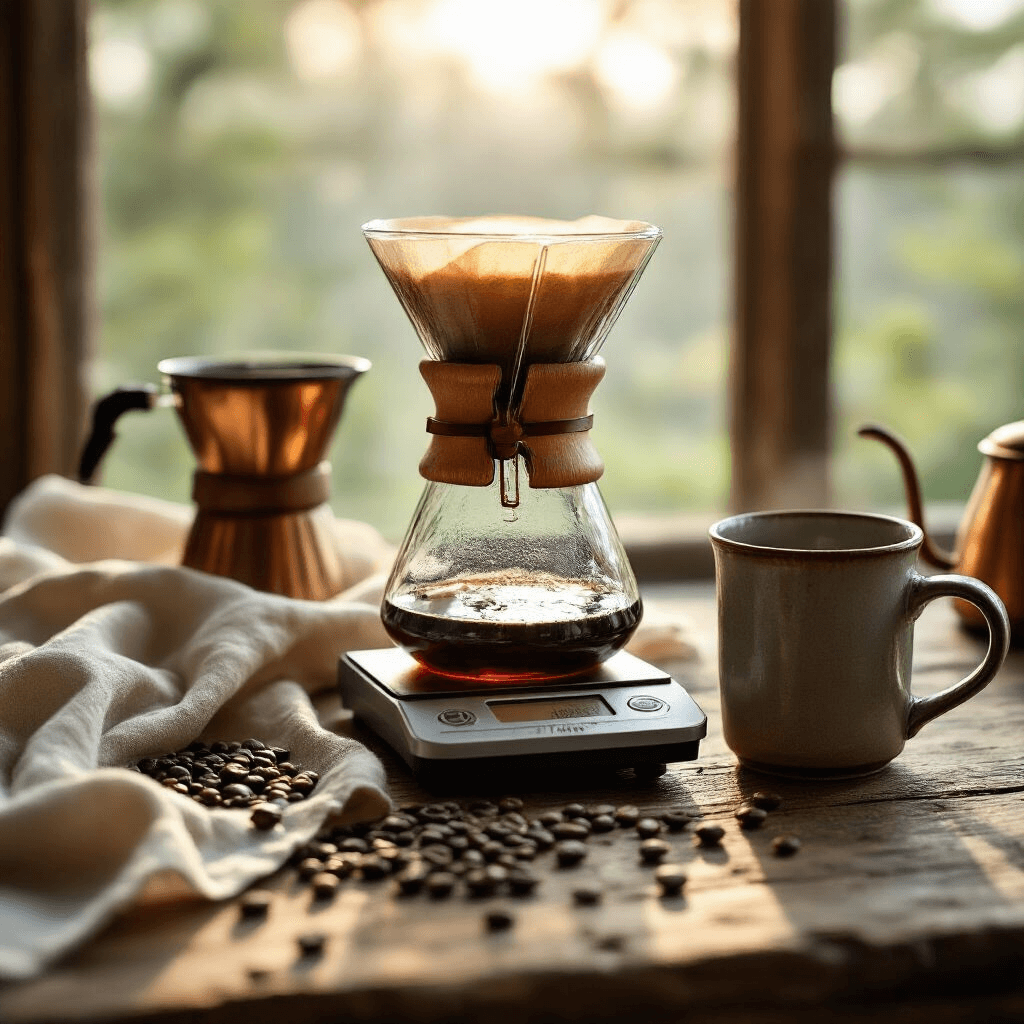
The Chemex Glass Brewer is basically the gold standard if you want zero material concerns.
Non-porous borosilicate glass.
No odors, no residues, no chemical leaching whatsoever.
I use mine every Sunday morning, and it’s become this meditative ritual I genuinely look forward to.
Clean, flavorful coffee that tastes exactly like coffee should.
The Hario V60 Ceramic Dripper offers similar purity in a more compact form.
BPA-free ceramic that heats evenly and produces consistently excellent results.
I keep one in my office because it’s small enough to store in a drawer but makes coffee that rivals any cafe.

When You Need Real Espresso
Most espresso machines are material nightmares, honestly.
Plastic everywhere, mystery metals, coatings you can’t verify.
The De’Longhi Primadonna comes from one of the few manufacturers with a clear BPA-free policy stating they don’t use polycarbonate in any food-contact parts.
I verified this directly with their customer service after reading too many vague product descriptions.
For manual espresso fanatics, the Flair 58 features an all-stainless-steel brew path except for one plastic stem guide handle.
No plastic touches brew water or coffee after you fill it.
Everything is PFAS-free and food-safe, which you absolutely cannot say about most espresso makers.
Classic Percolators and Moka Pots
The Presto Stainless Steel Percolator is completely metal construction.
No plastic touching your coffee anywhere in the brewing process.
My dad used one for forty years, and I inherited his love for that strong, traditional percolator taste.
The Bialetti Venus updates the classic moka pot with all-stainless-steel construction and a food-safe silicone gasket.
No aluminum, no plastic in the brew path.
Rich, full-bodied Italian-style coffee without any material concerns.
I travel with mine because it works on any heat source and takes up almost no space.
What You’re Really Paying For (And Why It Matters)
Stainless steel costs manufacturers more, which is why cheap coffee makers use plastic reservoirs.
The good stuff
This post may contain affiliate links. Please see my disclosure policy for details.