Why Would Anyone Want a Battery-Powered Coffee Maker?
Contents
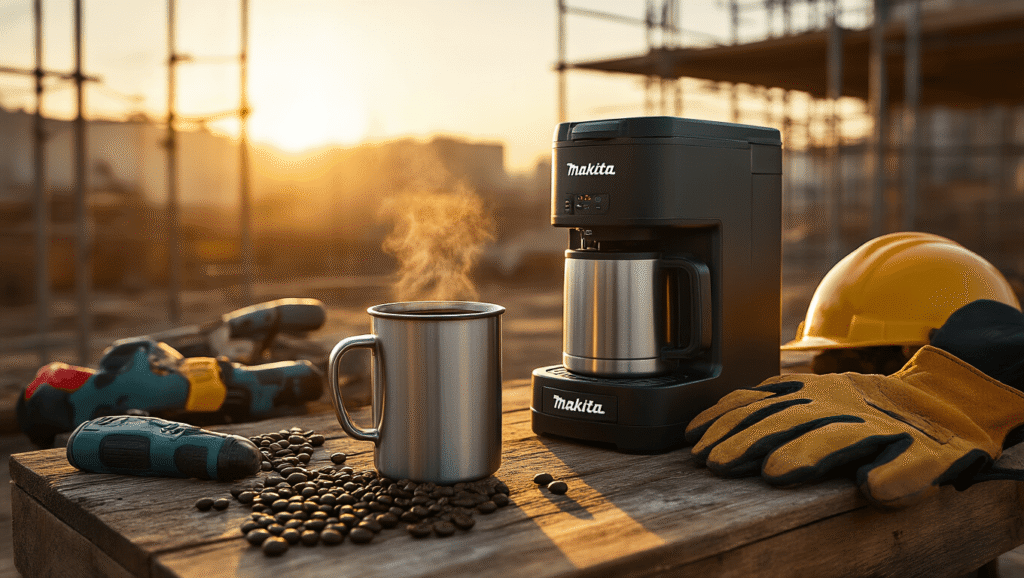
Picture this: You’re on a job site at 6 AM, freezing your tail off, and the nearest coffee shop is a 20-minute drive away. Or you’re camping in the wilderness, miles from civilization, and instant coffee just isn’t cutting it anymore. Maybe you’re tailgating before the big game and need something stronger than lukewarm gas station coffee. That’s where the Makita DCM501Z enters the chat.
This isn’t some gimmicky gadget that’ll fall apart after three uses. It’s built with the same rugged durability Makita brings to their power tools, and honestly, that’s what makes it interesting.
What Exactly Is This Thing?
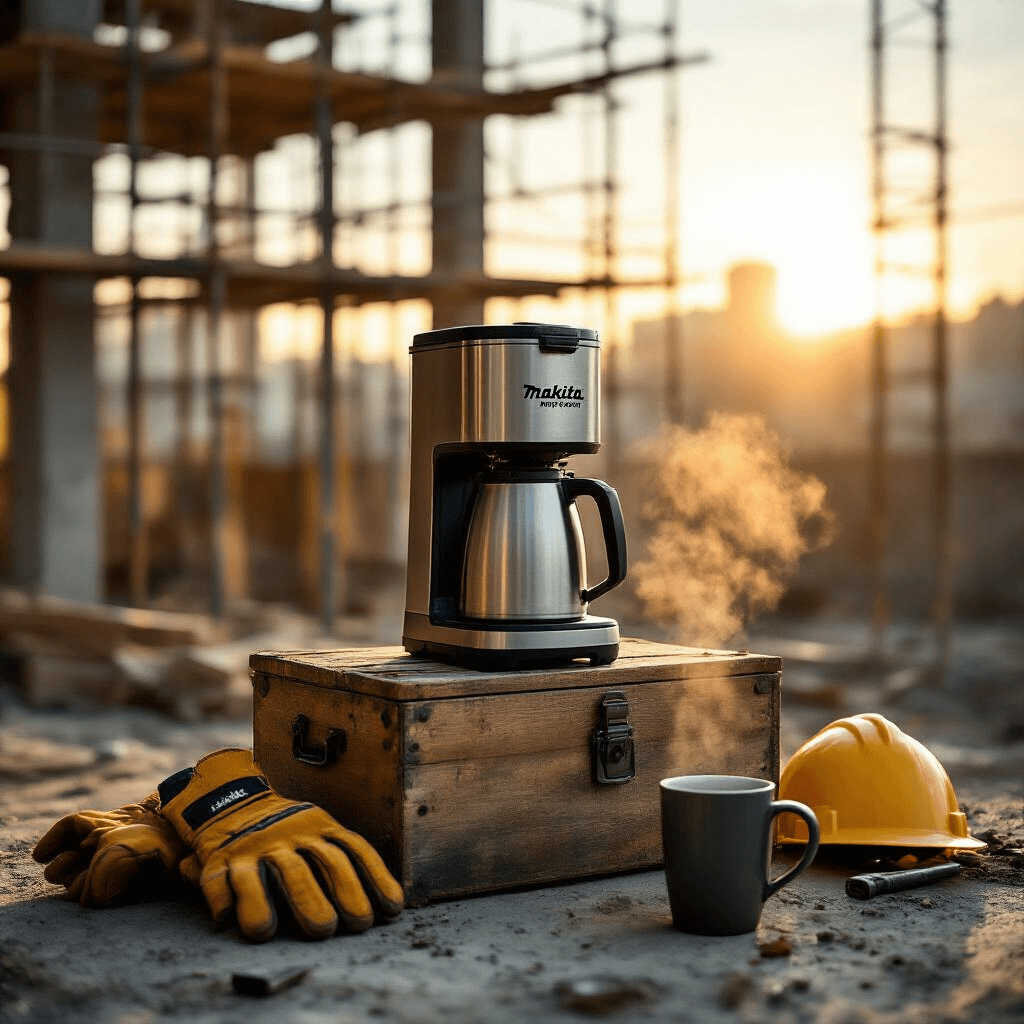
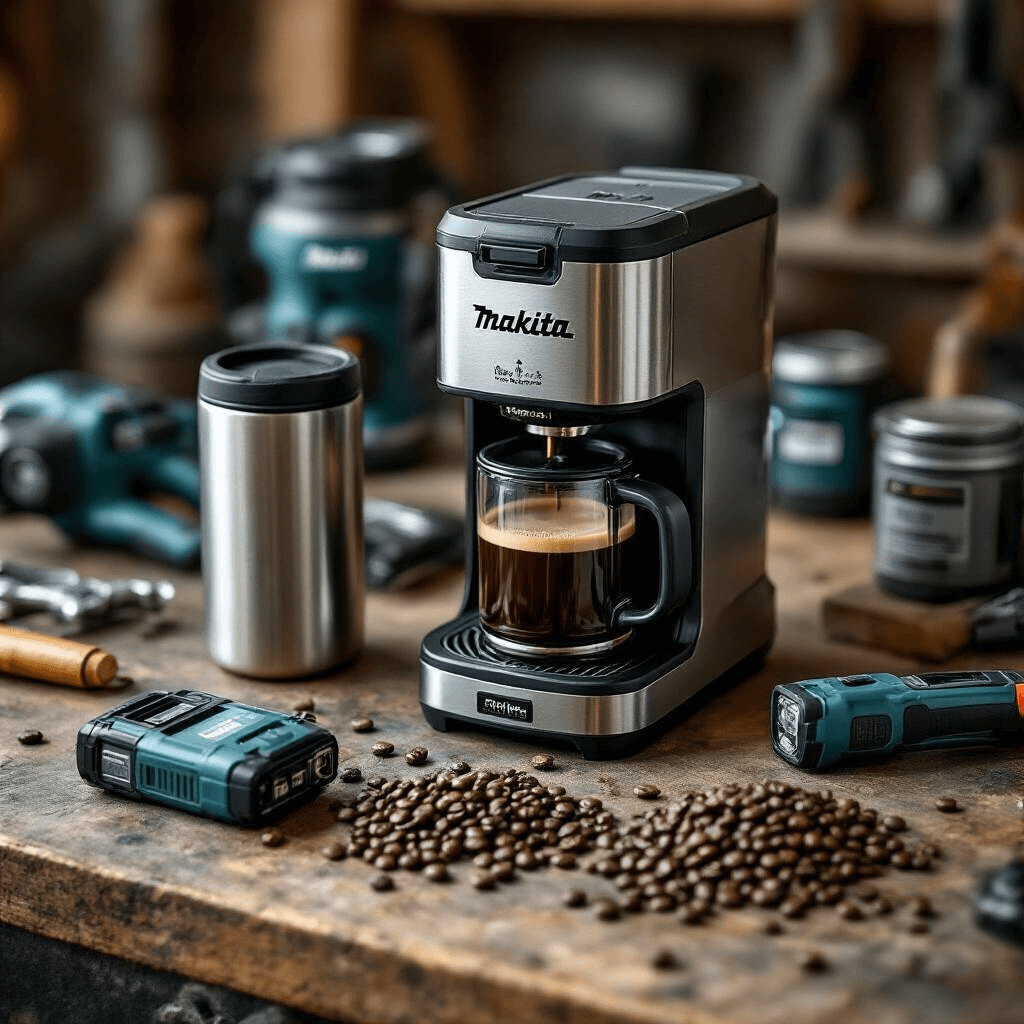
The Makita DCM501Z is a cordless coffee maker that runs exclusively on Makita batteries. No outlets needed. No generators required. Just pop in your 18V LXT or 12V max CXT battery, add water and coffee, and you’re brewing.
Here’s what makes it tick:
- Compatible with Makita 18V batteries and 12V versions
- 240ml water tank capacity
- Brews about 3-4 small cups per full battery charge
- Comes with a stainless steel travel mug
- Takes roughly 5-7 minutes per brewing cycle
- Works with both ground coffee and pods
The whole setup weighs about as much as a compact drill, making it genuinely portable.
The Good Stuff Nobody Tells You
Let me share what I’ve learned after testing this beast in various scenarios.
Durability is no joke. I’ve accidentally knocked mine off a tailgate twice. Not a scratch, not a dent, still brewing like day one. That’s the Makita DNA showing through.
The mesh filter is brilliant. Forget buying paper filters or worrying about running out mid-trip. The reusable coffee filter cleans up in seconds and produces surprisingly clean coffee with zero grounds in your cup.
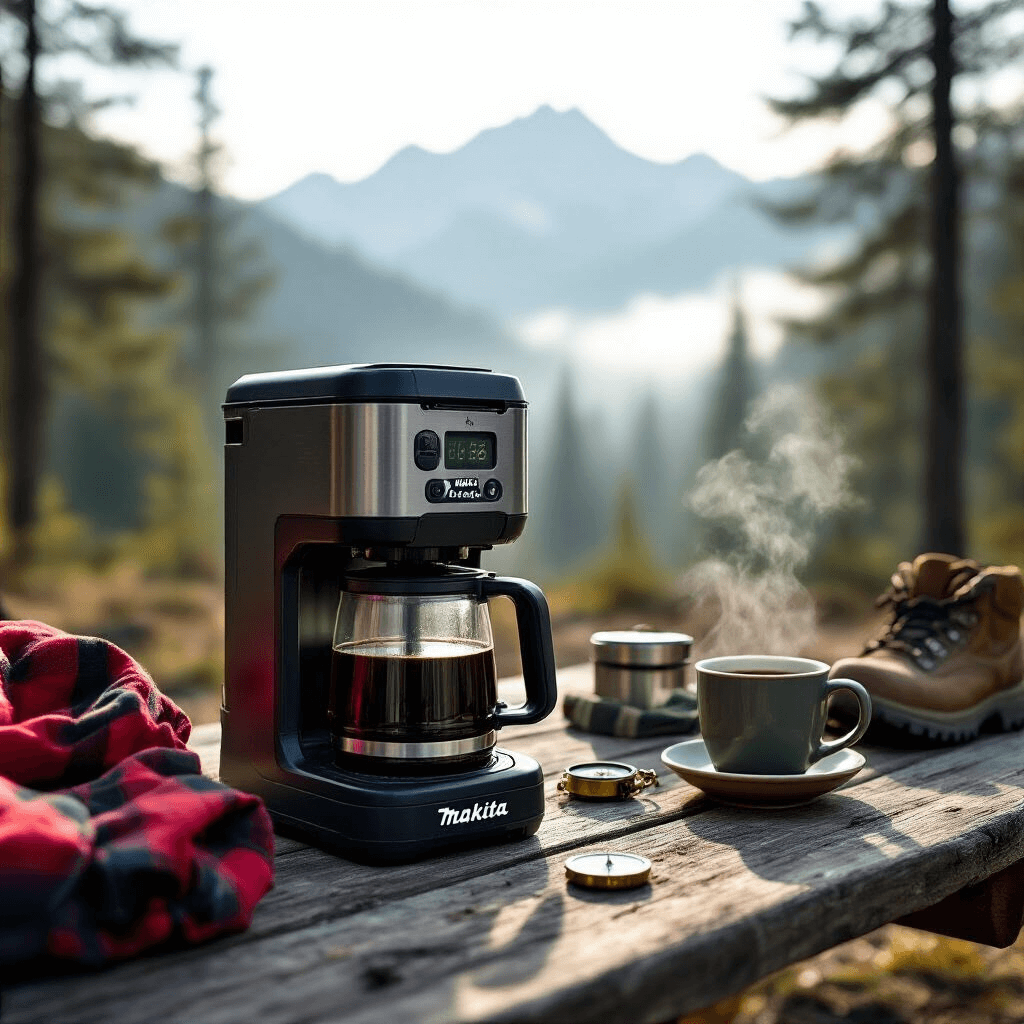
Battery flexibility matters more than you’d think. If you already own Makita tools, you’re golden. Your cordless drill batteries become coffee fuel. That’s genuinely clever engineering.
It keeps coffee hot longer than expected. The stainless steel construction actually does a decent job maintaining temperature for 20-30 minutes without a lid.
The Reality Check You Need to Hear
Now for the stuff Makita doesn’t plaster all over their marketing materials.
The coffee is… fine. Not amazing, not terrible, just fine. Think somewhere between gas station coffee and what you’d brew at home on a rushed morning. It’s cleaner than Keurig coffee but lacks the depth and richness of a proper pour-over or French press.
I’ve found it works best with medium to dark roasts, which come out smooth without bitterness. Light roasts? They taste like someone whispered “coffee” at a cup of hot water.
That sound though. During brewing, this thing produces a high-pitched squealing sound that’ll wake up everyone within a 50-foot radius. It’s not deal-breaking, but don’t expect to brew coffee quietly at 5 AM in a shared campsite.
Battery consumption is real. One brewing cycle eats about 25% of an 18V 5.0Ah battery. Do the math: that’s roughly 3-4 small cups per full charge. The battery weighs 210 grams to produce 160ml of coffee. That ratio feels backward when you’re hauling gear.
The mug is adorably tiny. At 5 ounces, the included mug is perfect for espresso lovers. For everyone else? You’ll be brewing multiple cycles to satisfy a normal coffee craving. I immediately ordered a larger stainless steel travel mug that holds 16 ounces.
Who Should Actually Buy This?
Let me be blunt about who this makes sense for.
You’re already deep in the Makita ecosystem. If you own multiple Makita tools with spare batteries lying around, the barrier to entry drops significantly. You’re not buying a whole new battery system just for coffee.
You work in remote locations regularly. Construction workers, field technicians, forestry crews, or anyone spending long hours away from power outlets will genuinely appreciate this.
You’re a serious outdoor enthusiast. Backpackers might find it heavy, but car campers, RV travelers, and overlanders will love having real coffee without propane or complicated setups.
You prioritize convenience over coffee snobbery. If you’re the type who dissects tasting notes and brewing temperatures, this isn’t your machine. But if you just want hot, drinkable coffee without fuss, it delivers.
The Coffee Quality Deep Dive
I’ve brewed probably 50+ cups with this thing across different scenarios, so let me break down what actually affects the taste.
Coffee-to-water ratio is critical. The standard recommendation doesn’t cut it. I use about 25% more ground coffee than I would in a traditional drip maker. That compensates for the slightly under-extracted taste.
Medium-dark roasts work best. Colombian, Brazilian, and Indonesian beans come out smooth and balanced. Ethiopian and Kenyan light roasts taste flat and lifeless.
Pre-heating makes a difference. Run a cycle with just water first, dump it, then brew your actual coffee. Adds time and battery consumption, but the improvement is noticeable.
Pod quality varies wildly. I’ve tried various coffee pods compatible with the Makita, and honestly, most taste worse than fresh grounds. Stick with freshly ground coffee when possible.
The Alternative Nobody Mentions
Here’s where I get real with you. After extensive testing, I’ve found a better solution for most situations: the Makita battery-powered kettle paired with an AeroPress.
Hear me out. The Makita cordless kettle boils water faster and uses battery power more efficiently. Pair it with an AeroPress coffee maker, and you get:
- Significantly better coffee quality
- More flexibility in brewing methods
- Better battery-to-coffee ratio
- Hot water for tea, instant meals, or cleaning
The only downside? It’s a two-piece system instead of all-in-one. For me, the coffee quality improvement is worth the extra item in my kit.
Practical Tips From Real-World Use
Bring backup batteries.
This post may contain affiliate links. Please see my disclosure policy for details.