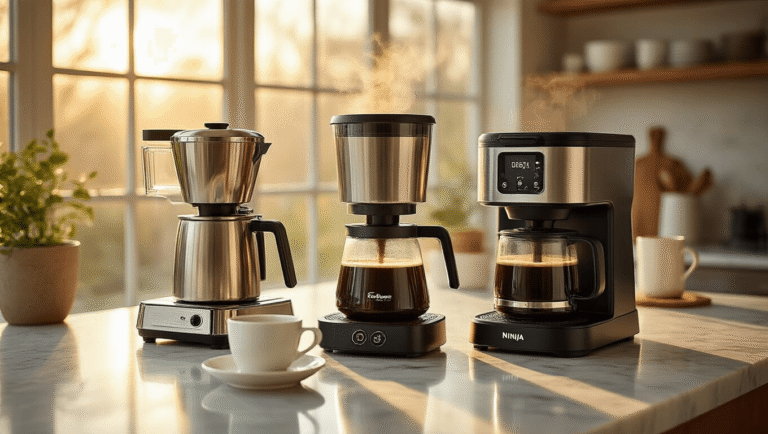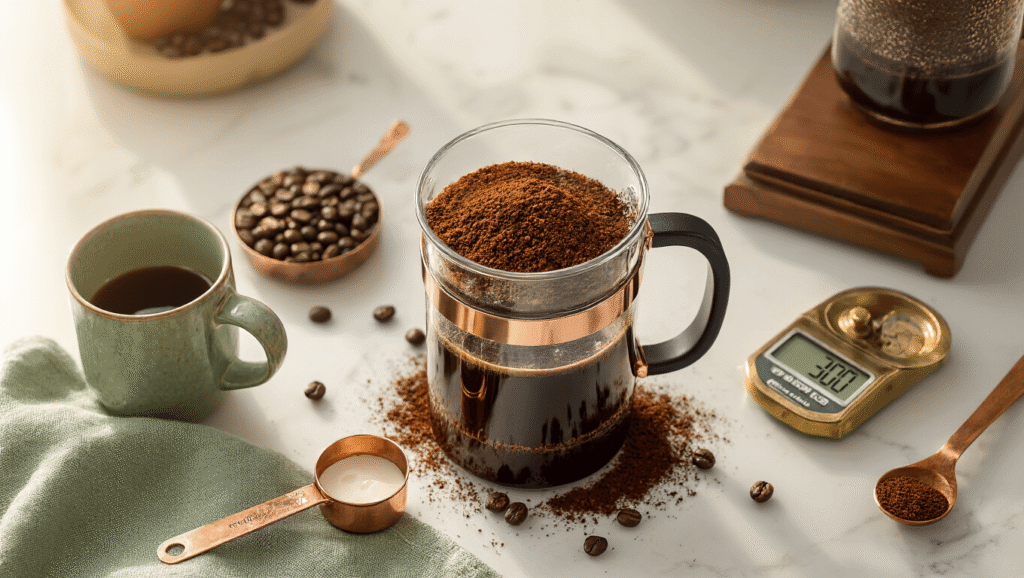
How to Make the Perfect French Press Coffee (Without the Pretentious Nonsense)
Contents
- How to Make the Perfect French Press Coffee (Without the Pretentious Nonsense)
- Why Your French Press Coffee Tastes Like Sadness (And How to Fix It)
- The Non-Negotiables: What You Actually Need
- Step 1: Heat Your Water (But Don’t Murder It)
- Step 2: Measure Like You Give a Damn
- Step 3: Grind Coarse (Like Sea Salt, Not Powder)
- Step 4: The Bloom (Sounds Fancy, Takes 30 Seconds)
- Step 5: Pour, Wait, and Practice Patience
- Step 6: The Press (Slow and Steady Wins)
- The Mistakes I Made So You Don’t Have To
French press coffee sounds fancy, but here’s the truth: it’s one of the easiest brewing methods you’ll ever master.
I remember the first time I stood in front of my brand-new French press, staring at it like it was some sort of mysterious contraption. Spoiler alert: it’s not rocket science. You don’t need barista training or a degree in coffee snobbery to make a damn good cup.
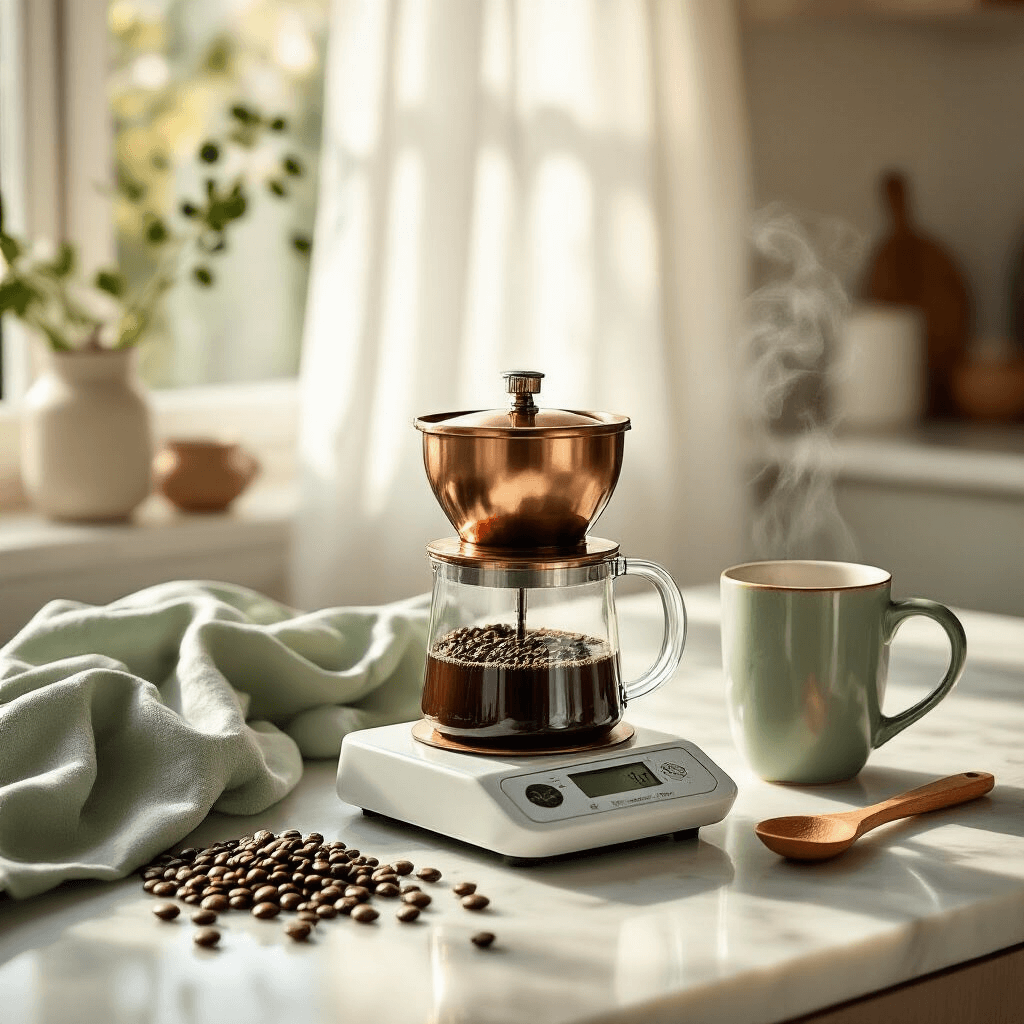
Why Your French Press Coffee Tastes Like Sadness (And How to Fix It)
Look, I’ve been there. You buy a beautiful French press coffee maker with high hopes, follow some vague instructions, and end up with something that tastes like dirty dishwater.
The problem? Most people get three things catastrophically wrong:
- They use the wrong grind size (fine grounds = bitter sludge)
- They eyeball everything instead of measuring
- They let the coffee sit in the press after brewing (hello, over-extraction)
Let me walk you through this properly.
The Non-Negotiables: What You Actually Need
Before we dive in, gather these essentials:
The basics:
- A French press (obviously)
- A burr coffee grinder or pre-ground coarse coffee
- A kitchen scale (stop guessing, seriously)
- Hot water
- Fresh coffee beans
Optional but game-changing:
- A coffee thermometer (water temperature matters more than you think)
- A timer (your phone works fine)
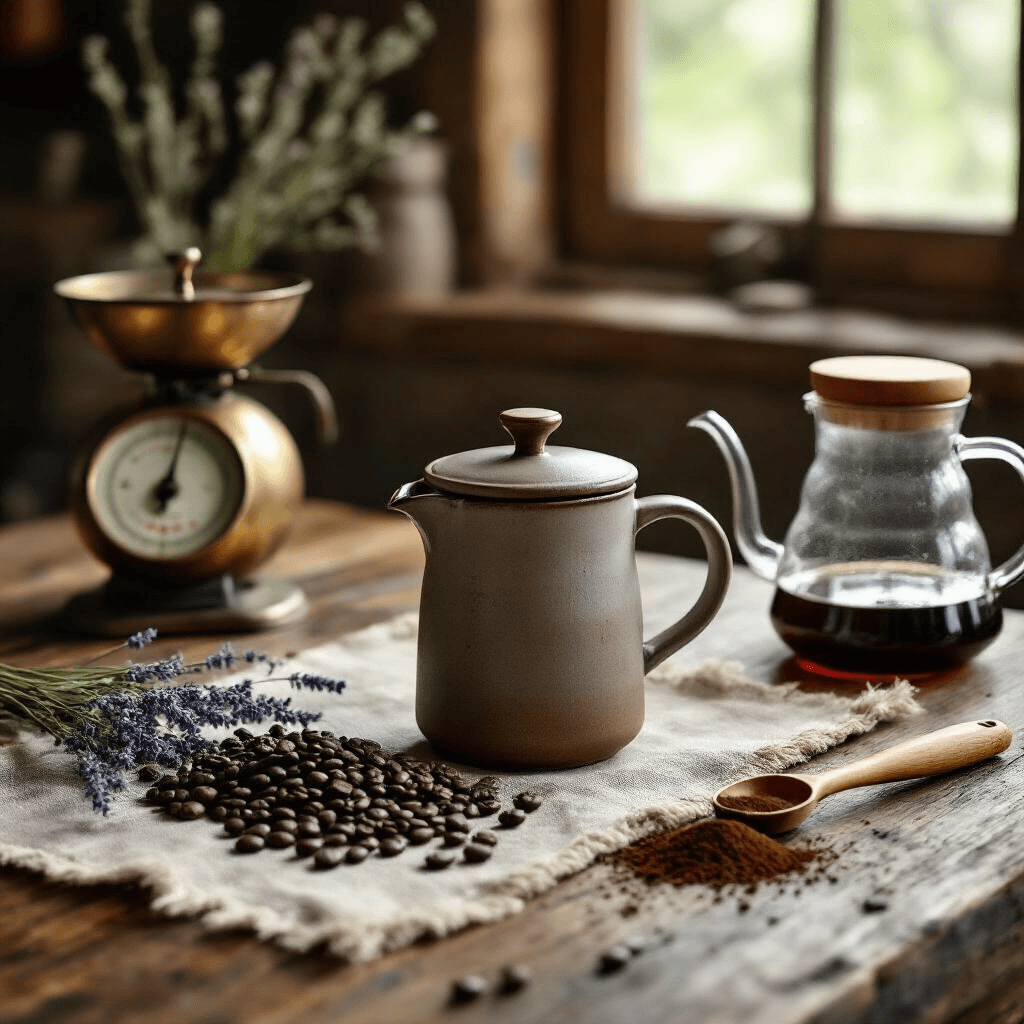
Step 1: Heat Your Water (But Don’t Murder It)
French press coffee starts with water between 195-205°F.
Boil your water, then let it sit for 30 seconds. That’s it. You don’t need to get all scientific unless you want to (then grab that thermometer).
Pro move: While your water’s heating, rinse your French press with hot water. This warms up the glass so your brewing temperature stays consistent. Dump that water out before you start.
Step 2: Measure Like You Give a Damn
Here’s where people go rogue and ruin everything.
The ratio that actually works:
- 1 gram of coffee for every 15-17 grams of water
- Translation: About 30 grams (roughly 4 tablespoons) of coffee for 500ml of water
Want it stronger? Go 1:15. Prefer it lighter? Try 1:17.
This is not the time to channel your inner “I cook by feel” energy. Measure it. Your taste buds will thank you.
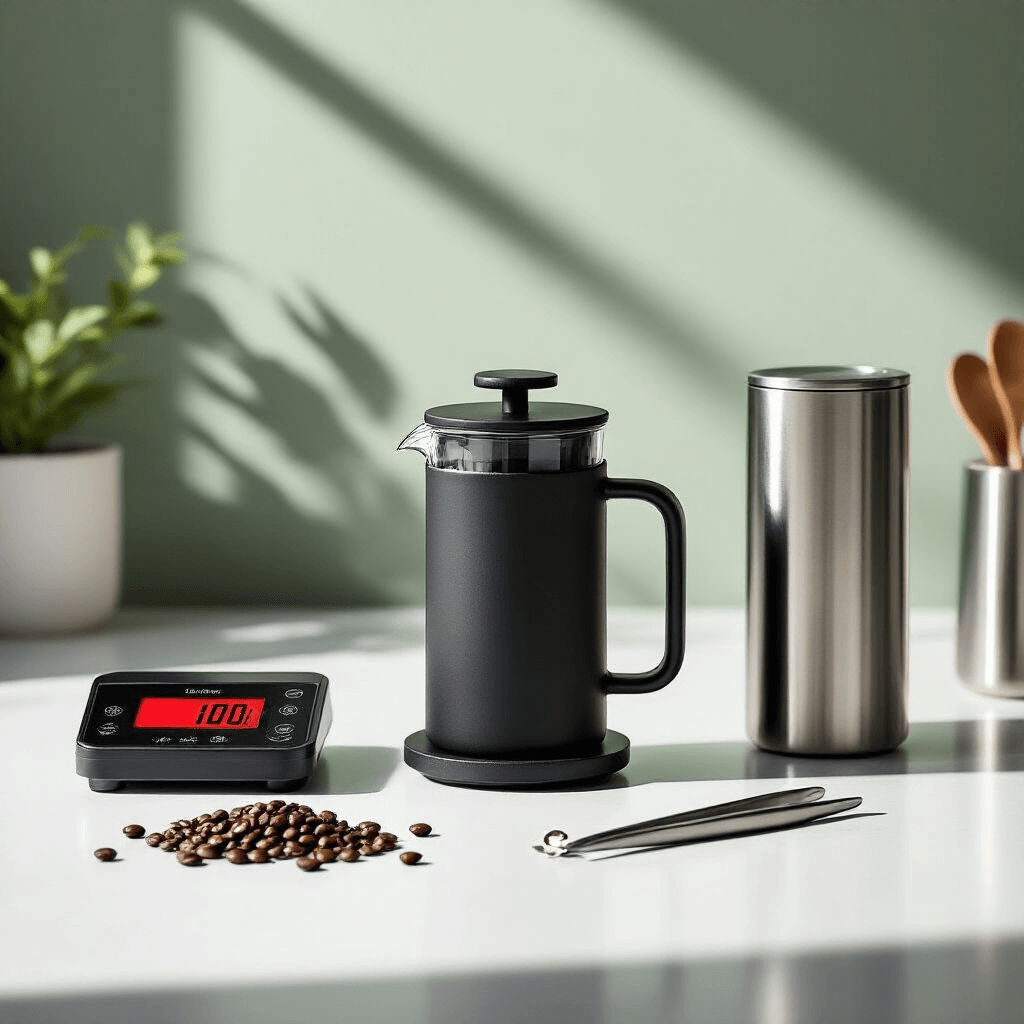
Step 3: Grind Coarse (Like Sea Salt, Not Powder)
Your coffee needs to look like coarse sea salt or breadcrumbs.
If you’re buying pre-ground, specifically ask for “French press grind” or “coarse grind.” If you’re grinding at home with a quality burr grinder, set it to the coarsest setting.
Why this matters:
Fine grounds slip through the mesh filter and turn your coffee into a gritty, bitter nightmare. Coarse grounds extract properly during the 4-minute steep and stay where they belong.
Step 4: The Bloom (Sounds Fancy, Takes 30 Seconds)
Dump your measured coffee grounds into the warmed French press.
Pour just enough hot water to saturate all the grounds—roughly double the weight of your coffee. So if you used 30 grams of coffee, pour about 60 grams of water.
Wait 30 seconds.
You’ll see the grounds bubble and expand. This “bloom” releases trapped CO2 gases that can make your coffee taste sour. Give it a gentle stir with a wooden spoon (metal can crack the glass).
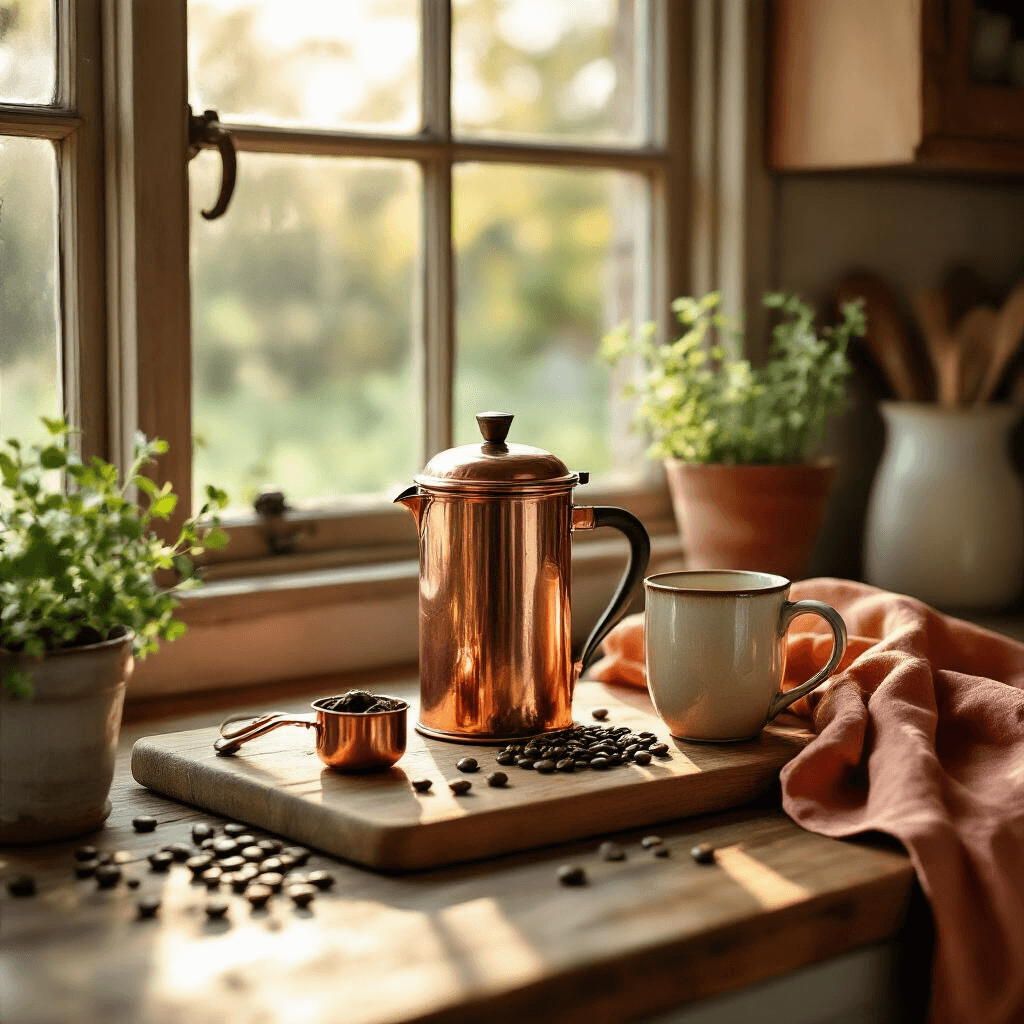
Step 5: Pour, Wait, and Practice Patience
After the bloom, pour in the rest of your hot water.
Put the lid on with the plunger pulled all the way up—don’t press yet.
Now wait 4 minutes.
Not 2 minutes. Not 6 minutes. Four. Minutes.
Set a timer. Scroll through your phone. Stare into the existential void. Just don’t press that plunger early.
Step 6: The Press (Slow and Steady Wins)
Time’s up.
Press the plunger down slowly and steadily. It should take about 15-20 seconds.
If it’s too easy, your grind was too coarse. If you’re fighting for your life, your grind was too fine.
Once the plunger hits the bottom, pour everything out immediately.
Leaving coffee sitting in the French press is like leaving a steak on a hot pan—it keeps cooking (or in this case, extracting) and gets bitter.
Pour it into your mug or transfer it to a thermal carafe if you’re not drinking it all right away.
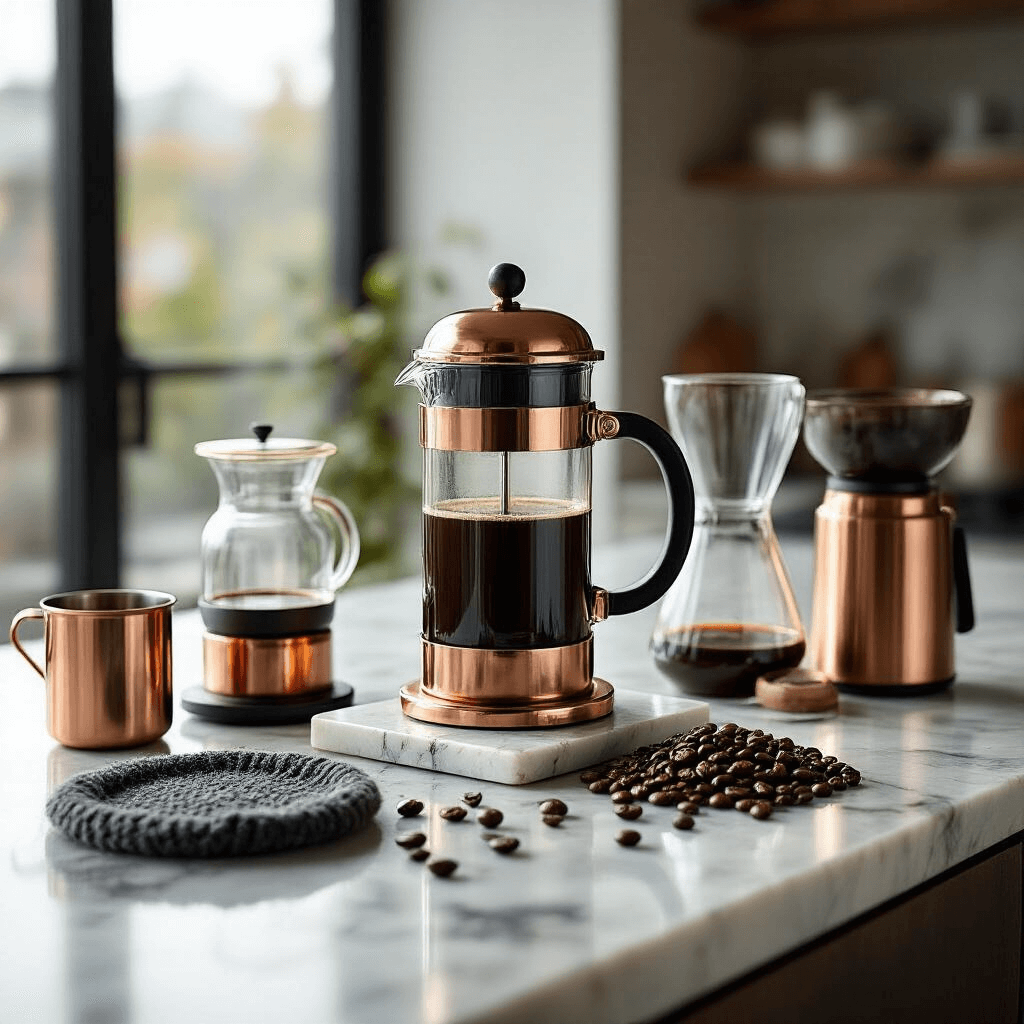
The Mistakes I Made So You Don’t Have To
Using stale coffee: I once used beans that had been sitting in my cupboard for three months. It tasted like I was drinking a cardboard box. Buy fresh beans, store them in an airtight container, and use them within a month of roasting.
Skipping the scale: For weeks, I eyeballed everything. One day I’d have perfect coffee, the next day it was awful. Consistency is impossible without measuring.
Letting it steep too long: I got distracted by a phone call once and let my coffee steep for 8 minutes. It was so bitter
This post may contain affiliate links. Please see my disclosure policy for details.