Why Your Coffee Machine Desperately Needs Your Attention
Contents
- Why Your Coffee Machine Desperately Needs Your Attention
- The Daily Cleaning Ritual That Takes 3 Minutes
- The Descaling Battle: Your Machine’s Deep Cleanse
- Descaling with Vinegar: The Kitchen Hero Method
- Alternative Descaling Warriors
- Critical Warnings That Could Save Your Machine
- Signs Your Machine Needs Immediate Attention
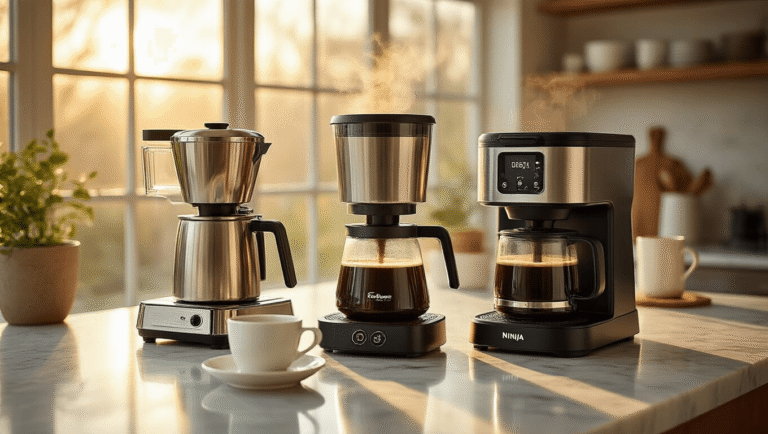
Your coffee machine works harder than you think. Every single brew cycle leaves behind invisible enemies that slowly destroy both your machine and your coffee’s flavor.
Coffee oils go rancid within hours of exposure to air. These bitter compounds build up in every nook and cranny of your machine, turning your fresh beans into something that tastes like yesterday’s mistakes.
Mineral deposits from your water create a crusty armor that blocks proper water flow. Your machine starts working overtime just to push water through, wearing out faster than a cheap umbrella in a storm.
I learned this the hard way when my beloved coffee maker started producing coffee that tasted like liquid cardboard. Three weeks of neglect had turned my reliable morning companion into a bitter disappointment.
The Daily Cleaning Ritual That Takes 3 Minutes
Regular cleaning removes coffee residues, while preventing the buildup of oils that make your coffee taste awful.
After each use, I follow this simple routine that’s become as automatic as brushing my teeth:
Essential Daily Steps
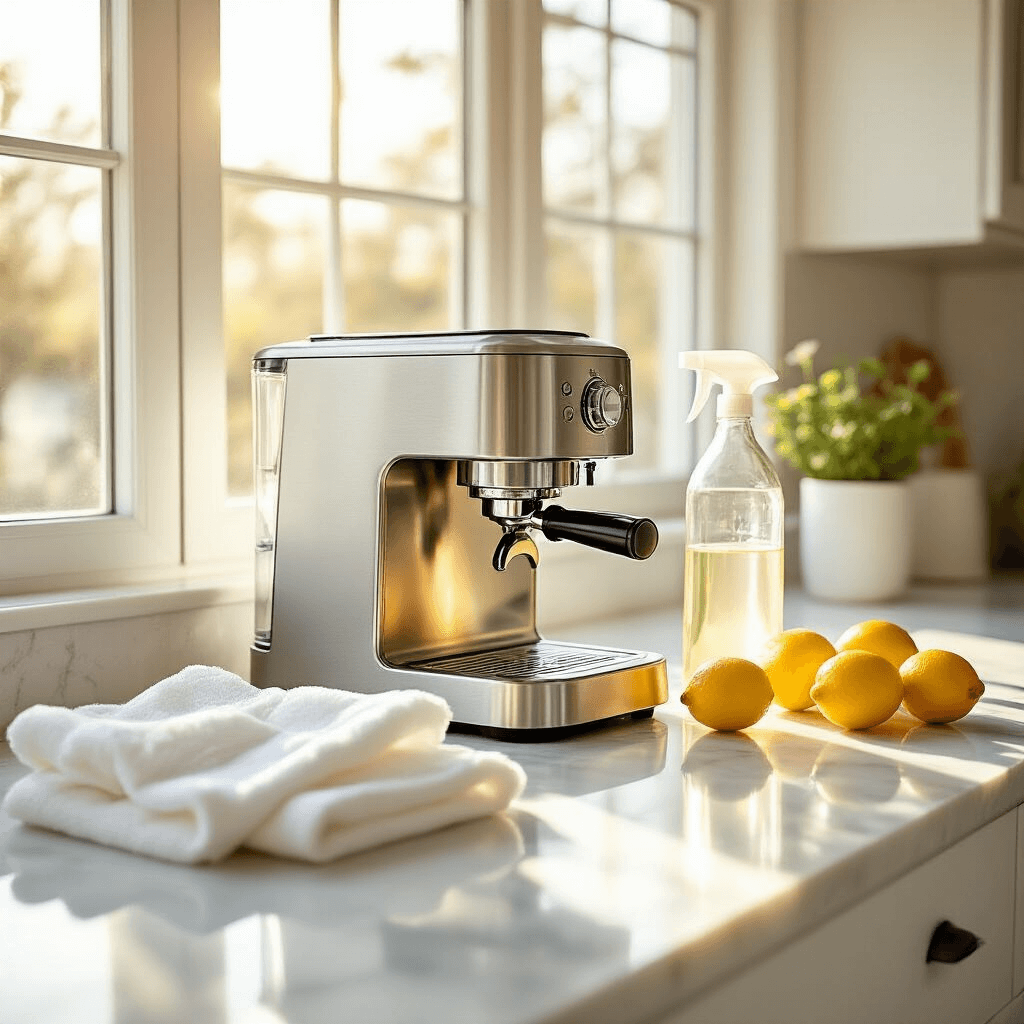
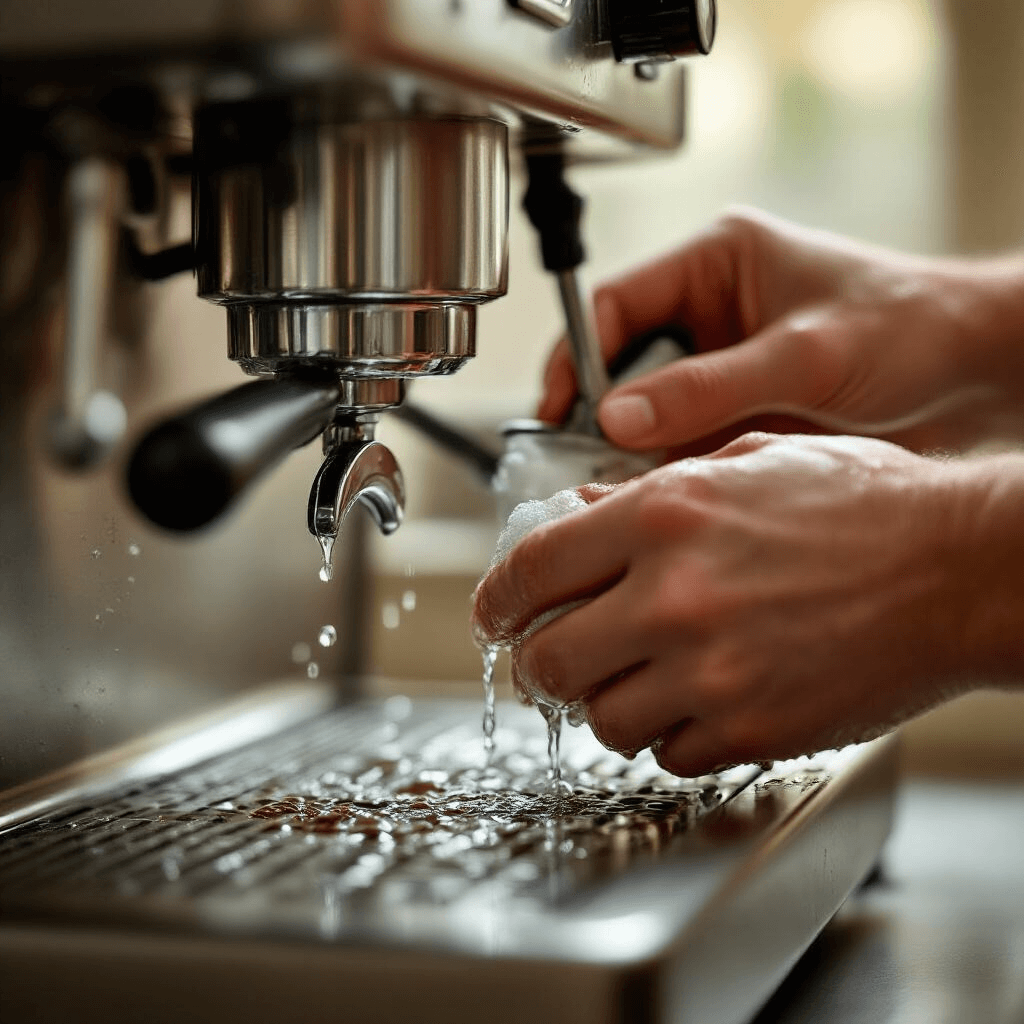
- Wipe the exterior with a damp cloth, including that often-forgotten showerhead where oils love to hide
- Hand-wash removable parts in warm, soapy water – the carafe, filter basket, lid, and water reservoir all need attention
- Empty and rinse the carafe immediately (don’t let coffee sit and stain)
- Leave all compartments open to air dry completely
This prevents bacterial growth that can make you sick and keeps everything fresh for tomorrow’s brew.
For pod coffee makers, empty that drip tray religiously. Room-temperature coffee sitting in there becomes a bacterial playground where E. coli and salmonella throw parties you definitely don’t want to attend.
I use these coffee cleaning cloths specifically designed for coffee equipment – they don’t leave lint or strange tastes behind.
Weekly Deep Clean Option
Dishwasher cleaning works for top-rack safe parts about once a week. Check your manual first – some parts hate the high heat and harsh detergents.
I prefer hand washing because I can feel when everything’s properly clean. Plus, it gives me a moment to inspect each part for wear or damage.
The Descaling Battle: Your Machine’s Deep Cleanse
Descaling eliminates mineral buildup from calcium and magnesium lurking in your water. Think of it as intensive therapy for your coffee maker’s internal organs.
Most people skip this step because they can’t see the problem. But those mineral deposits are slowly strangling your machine from the inside.
When to Descale Your Machine
Descale approximately every three to six months, depending on:
- How often you brew (daily users need more frequent descaling)
- Your water hardness (hard water = more minerals = more problems)
- Machine usage intensity (office machines need monthly attention)
I mark my calendar because forgetting this step once cost me a $200 machine that seized up completely.

Descaling with Vinegar: The Kitchen Hero Method
White vinegar cuts through mineral deposits like a hot knife through butter. It’s cheap, effective, and probably sitting in your pantry right now.
Step-by-Step Vinegar Descaling
- Empty the machine completely and remove any filters (they’ll absorb the vinegar taste)
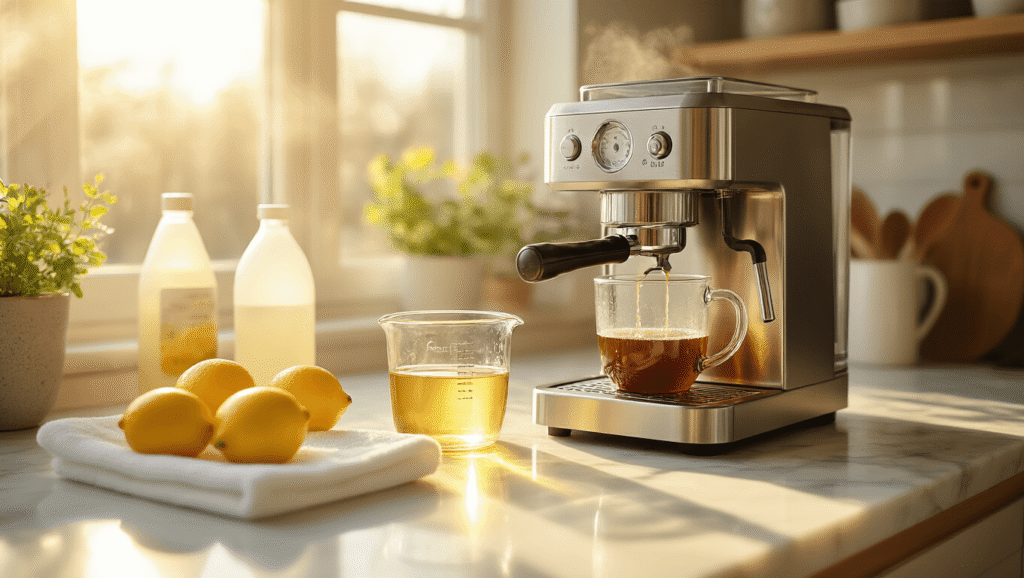
- Fill the reservoir with equal parts white vinegar and water – this mixture is strong enough to dissolve minerals without damaging your machine
- Run a complete brewing cycle with the vinegar solution, then let it sit for 15-30 minutes to work its magic on stubborn deposits
- Flush thoroughly with fresh water – run two to three complete brew cycles using only clean, cool water to eliminate every trace of vinegar taste
- Wash all removable parts in hot, soapy water to remove any lingering vinegar residue
The smell during this process isn’t pleasant, but watching brown, gunky water pour out proves how much buildup was hiding in there.
I keep a dedicated measuring cup just for descaling solutions – it prevents any cross-contamination with food prep.
Alternative Descaling Warriors
Commercial Descaling Agents
Professional descaling products work faster and smell better than vinegar. They’re formulated specifically for coffee machines and often work more effectively on stubborn mineral deposits.
Follow package directions exactly – these products are concentrated and more isn’t always better.
I switched to commercial descaling solution after trying several brands. The results are noticeably better, and my kitchen doesn’t smell like a pickle factory afterward.
The Nuclear Option: Bleach Solution
For extreme sanitization (think: you found mold or bought a used machine), mix 2 teaspoons of bleach with 1 gallon of water.
- Soak removable parts for exactly 2 minutes – no longer
- Rinse thoroughly with multiple water changes
- Air dry completely before reassembling
Only use this method when regular cleaning isn’t enough. Bleach is powerful but can damage seals and plastic components if overused.
Critical Warnings That Could Save Your Machine
Vinegar can damage certain metals and plastics over time. Always check your instruction manual before using homemade solutions.
Some manufacturers void warranties if you use anything other than their recommended cleaning products. I learned this when my expensive espresso machine developed seal problems after repeated vinegar use.
Never use harsh abrasives or strong chemicals on heating elements. Damaged heating elements mean expensive repairs or replacement.
Signs Your Machine Needs Immediate Attention
Watch for these red flags that scream “clean me now”:
- Slow brewing cycles (minerals are blocking water flow)
- Strange tastes or odors (oils have gone rancid)
- Visible mineral deposits on heating plates or in the reservoir
- Gurgling or unusual sounds during brewing
- Inconsistent water temperature (heating elements are struggling)
I ignored these signs once and ended up with a machine that produced lukewarm, bitter coffee that no amount of sugar could save.
Pro
This post may contain affiliate links. Please see my disclosure policy for details.
This post may contain affiliate links. Please see my disclosure policy for details.