Modern Coffee Table Designs That Will Transform Your Living Space
Contents
- Modern Coffee Table Designs That Will Transform Your Living Space
- Why Material Choice Makes or Breaks Your Modern Coffee Table
- Wood: The Timeless Champion That Never Disappoints
- Glass and Acrylic: Your Secret Weapons for Small Spaces
- Metal Bases: The Unsung Heroes of Modern Design
- Stone Materials: When You Want to Make a Statement
- Concrete: The Trendy Material That Actually Works
- Shapes That Actually Make Sense for How You Live
- Round and Oval: The Traffic Flow Champions
- Rectangular and Square: Maximum Function for Larger Spaces
Modern coffee table designs have completely changed how I think about living room furniture.
After years of struggling with clunky, outdated tables that dominated my space, I finally discovered the magic of clean lines, neutral palettes, and sleek materials that actually make sense for how we live today.
Are you tired of your coffee table being just another piece of furniture that collects dust and remote controls?
Do you wonder why your living room feels cramped even though it’s actually spacious?
Have you been searching for that perfect centerpiece that’s both gorgeous AND practical?
I get it. I’ve been there too.
The right modern coffee table doesn’t just sit in your room – it transforms the entire space into something that feels intentional, sophisticated, and surprisingly functional.
Why Material Choice Makes or Breaks Your Modern Coffee Table
The material you choose literally determines whether your coffee table becomes a stunning focal point or an expensive mistake.
I learned this the hard way when I bought a beautiful table online without considering how the material would work with my lifestyle and existing decor.
Wood: The Timeless Champion That Never Disappoints
Wood remains my absolute favorite material for modern coffee tables.
There’s something about natural wood grain that brings instant warmth and character to even the most minimalist spaces.
Here’s what I’ve discovered about different wood options:
- Oak and walnut create subtle grain patterns that work beautifully in mid-century modern designs
- Engineered wood provides that sleek, contemporary look without breaking the bank
- Reclaimed wood adds history and sustainability to your modern aesthetic
- Light woods like ash or maple make rooms feel larger and brighter
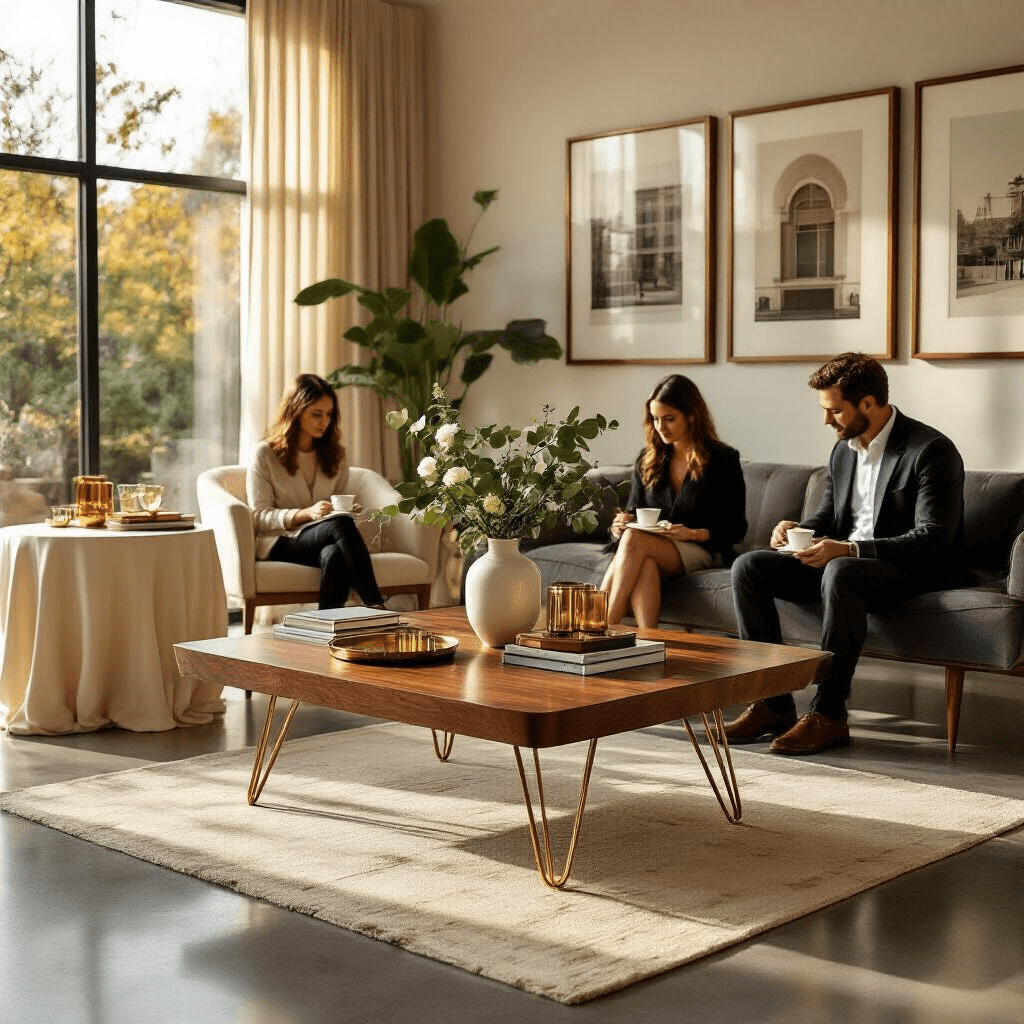
My current modern wood coffee table is oak with hairpin legs, and it’s been the perfect conversation starter for three years running.
The key is choosing wood tones that complement your existing furniture without creating visual chaos.
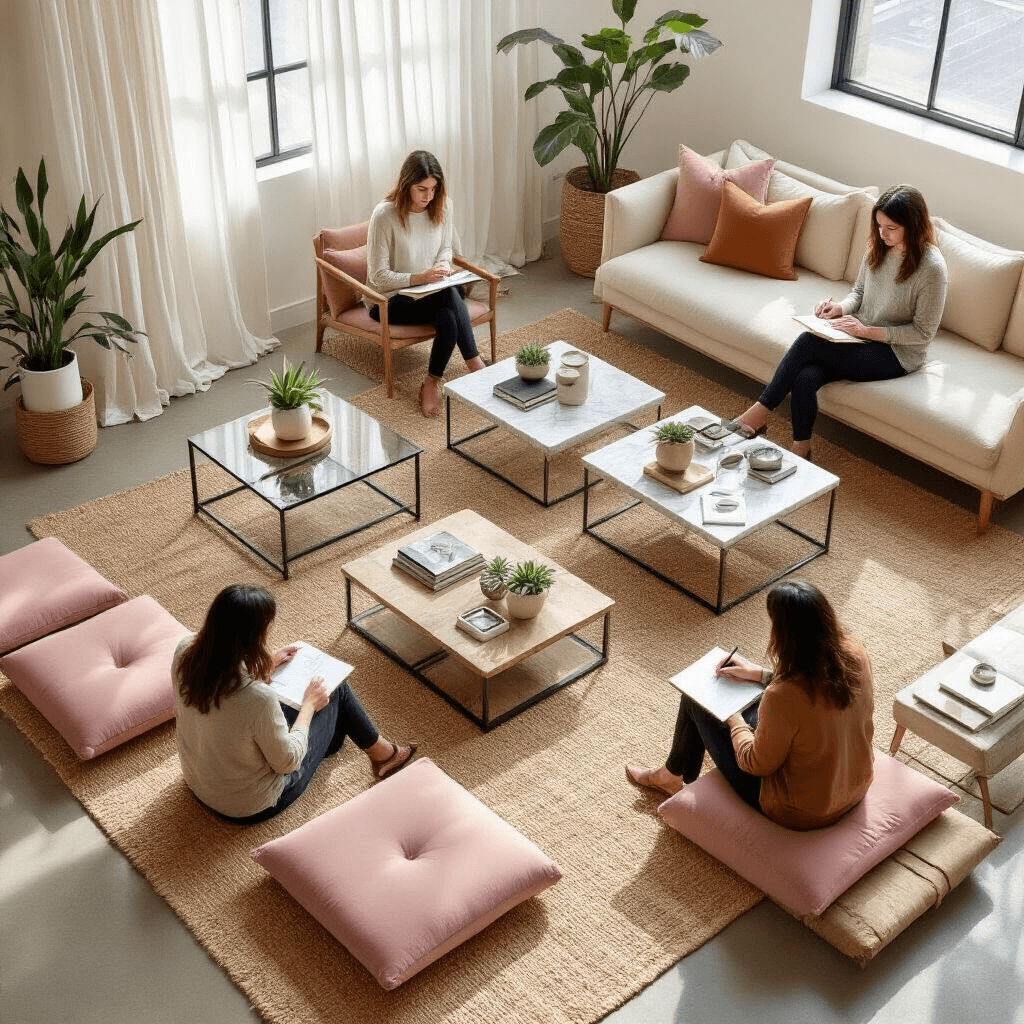
Glass and Acrylic: Your Secret Weapons for Small Spaces
Glass coffee tables are absolute game-changers for cramped living rooms.
The transparency creates an optical illusion that makes everything feel more open and airy.
I remember visiting my friend’s tiny apartment and being shocked at how spacious it felt – turns out her glass coffee table was doing all the heavy lifting.
Glass works especially well when you:
- Have limited square footage
- Want to show off a beautiful rug underneath
- Need to maintain sight lines in open-concept spaces
- Prefer easy cleaning and maintenance
Acrylic takes this concept even further.
It’s practically invisible, incredibly durable, and works with literally any color scheme.
Plus, acrylic doesn’t show fingerprints the way glass does – a huge win if you have kids or pets.
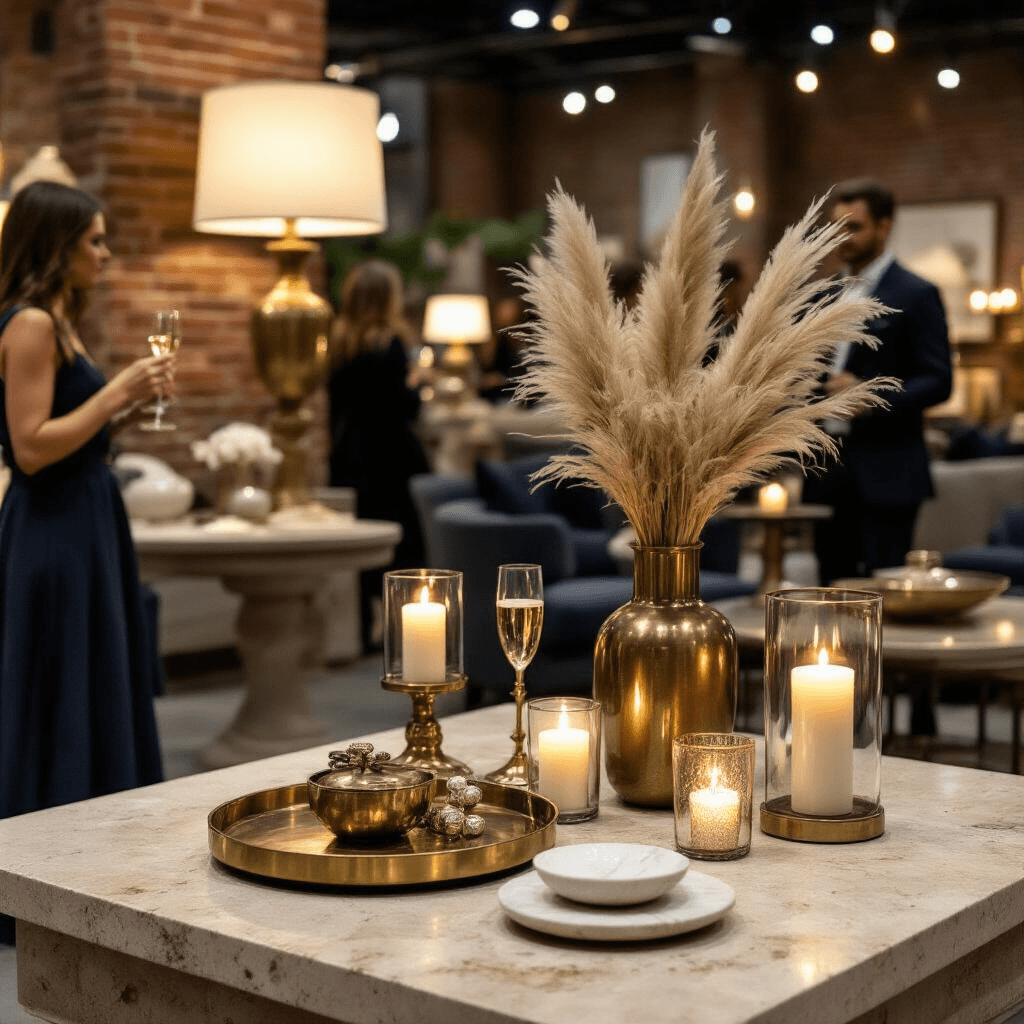
Metal Bases: The Unsung Heroes of Modern Design
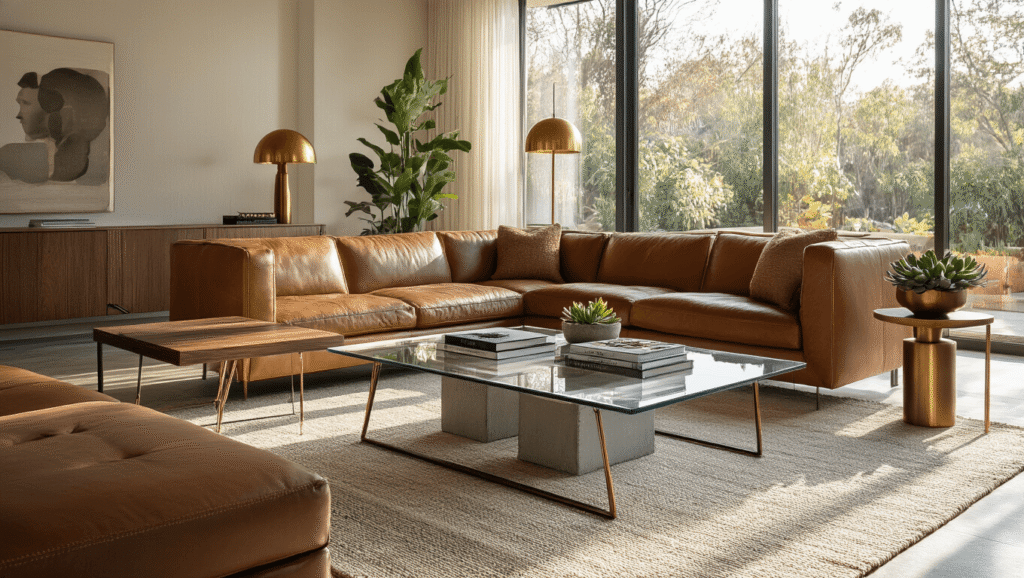
Metal bases in black, brass, or brushed steel add instant sophistication and incredible durability.
I’ve found that metal coffee tables are practically indestructible, which matters when you’re investing in furniture you want to keep for decades.
Black metal works with everything and never goes out of style.
Brass and gold introduce that luxurious glamour that makes guests think you hired an interior designer.
Brushed steel gives you that industrial edge without feeling cold or unwelcoming.
My metal coffee table has survived three moves, countless parties, and daily abuse from my golden retriever – and still looks brand new.
Stone Materials: When You Want to Make a Statement
Marble and travertine coffee tables are absolute showstoppers.
The natural veining and swirls create visual interest that no manufactured material can replicate.
But here’s what nobody tells you about stone coffee tables: marble requires serious commitment.
It scratches easily, stains if you’re not careful with coasters, and weighs approximately as much as a small car.
I learned this when I helped my sister move her marble coffee table – we needed four people and a prayer to get it up two flights of stairs.
If you choose stone, make sure you’re ready for:
- Regular sealing and maintenance
- Immediate cleanup of any spills
- Professional moving assistance
- Higher upfront investment
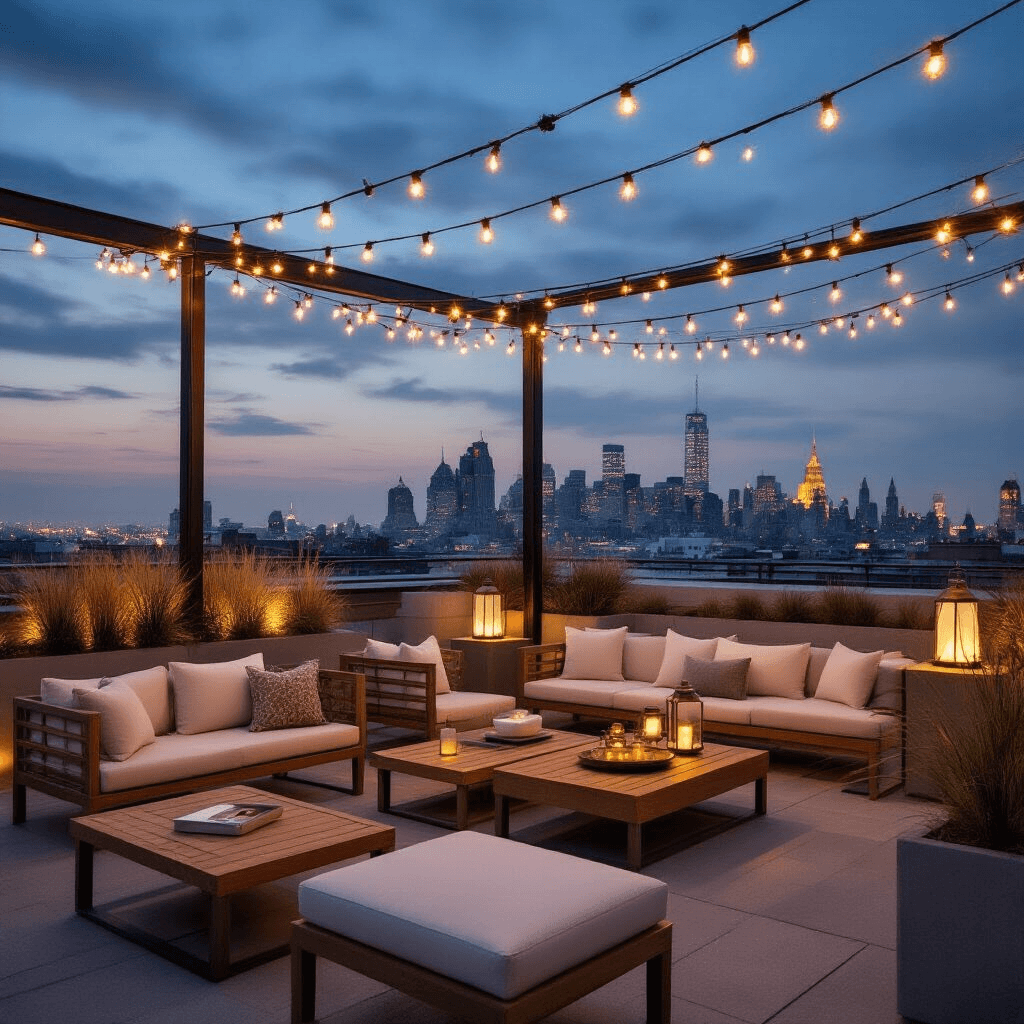
Concrete: The Trendy Material That Actually Works
Concrete coffee tables bring that industrial edge with surprising versatility.
They provide neutral grounding that works beautifully with both industrial and mid-century modern aesthetics.
The best part? Concrete ages beautifully and develops character over time instead of just looking worn out.
Shapes That Actually Make Sense for How You Live
The shape of your coffee table affects traffic flow, functionality, and visual balance more than any other single factor.
I used to think this was interior designer nonsense until I replaced my rectangular table with a round one and suddenly my living room felt twice as spacious.
Round and Oval: The Traffic Flow Champions
Round coffee tables are absolutely perfect for tight seating areas.
They eliminate those sharp corners that bruise shins and create natural conversation zones that feel more intimate and welcoming.
I switched to a round coffee table last year and the difference is remarkable – people actually move around my living room instead of awkwardly squeezing past furniture.
Oval tables give you the best of both worlds:
- Softer edges for easy traffic flow
- More surface area than pure circles
- Elongated shape that complements longer sofas
- Unique silhouette that adds visual interest
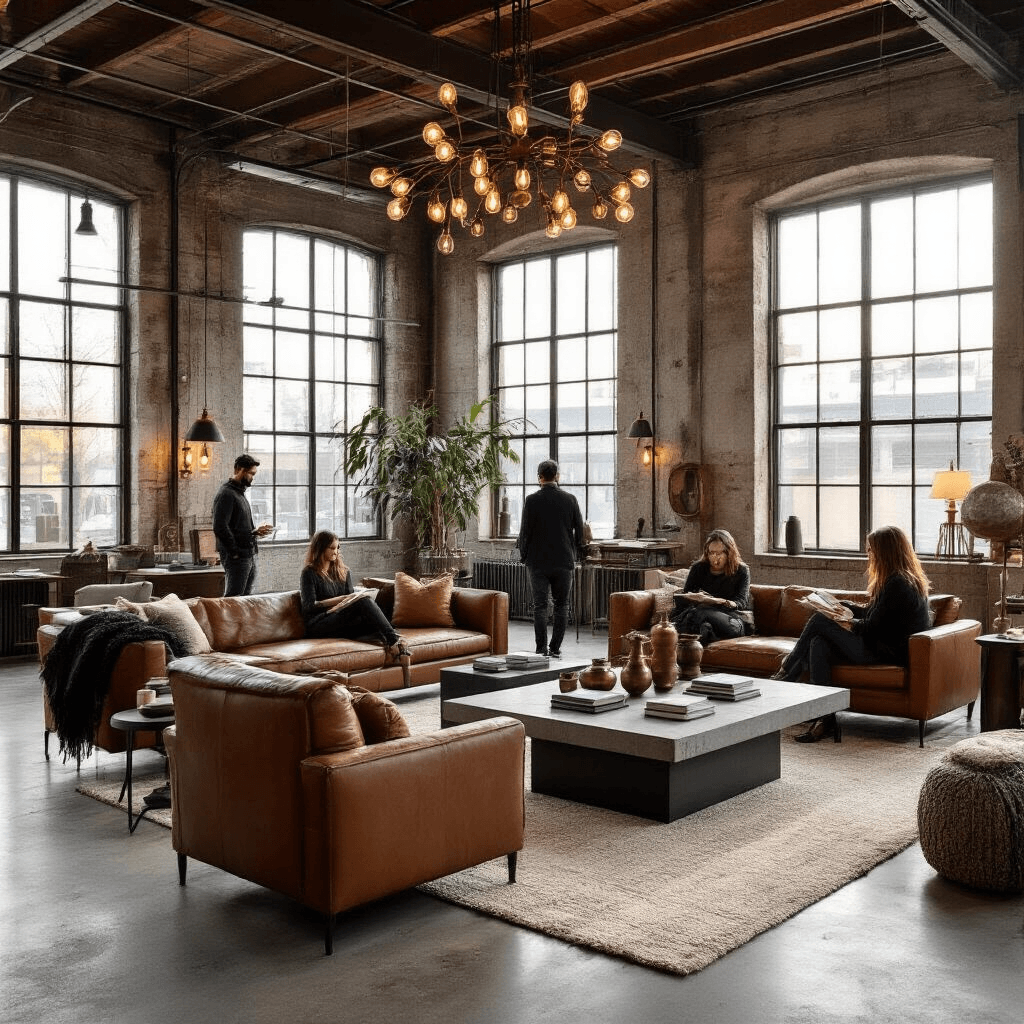
Rectangular and Square: Maximum Function for Larger Spaces
Rectangular coffee tables suit longer sofas and provide serious surface area for real-life use.
This post may contain affiliate links. Please see my disclosure policy for details.