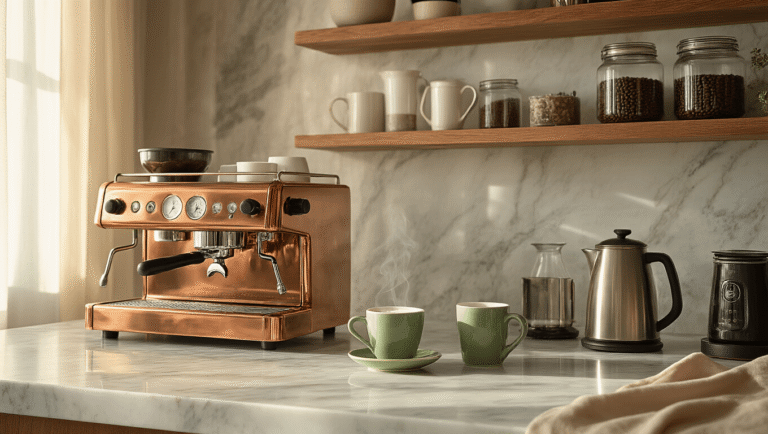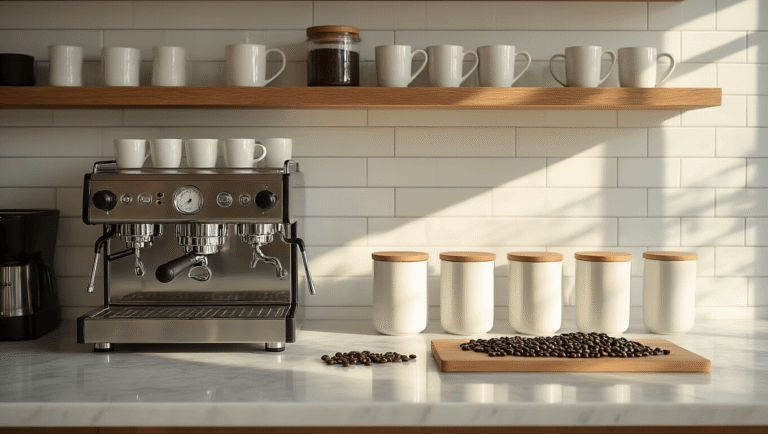
How I Transformed My Kitchen Into the Perfect Coffee and Tea Bar (And Why You’ll Want to Copy Every Detail)
Contents
- How I Transformed My Kitchen Into the Perfect Coffee and Tea Bar (And Why You’ll Want to Copy Every Detail)
- Why Your Morning Deserves Better Than Mediocre Coffee
- The Foundation: Equipment That Actually Works
- Designing Your Space for Maximum Impact
- The Art of Selection: Beans, Leaves, and Everything Between
- Creating Café-Quality Drinks at Home
You know that moment when you’re standing in your kitchen at 6 AM, desperately craving that perfect cup of coffee, but all you have is instant? That was me exactly eighteen months ago.
My morning routine was a disaster. I’d stumble to the kitchen, make disappointing coffee, then spend twelve dollars at the local café because I couldn’t face drinking what I’d made. Sound familiar?
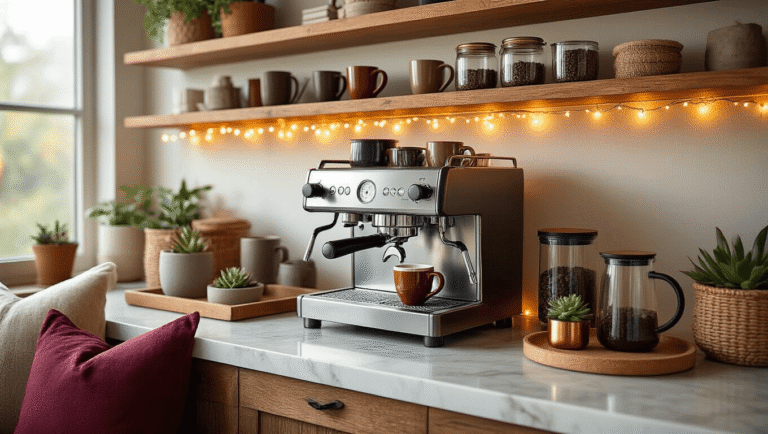
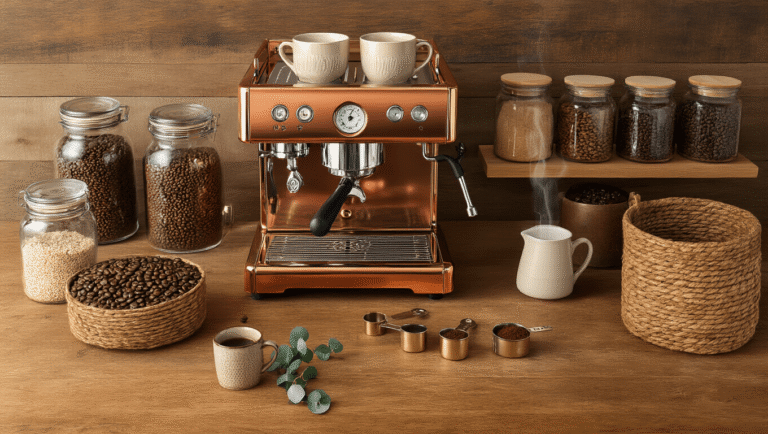
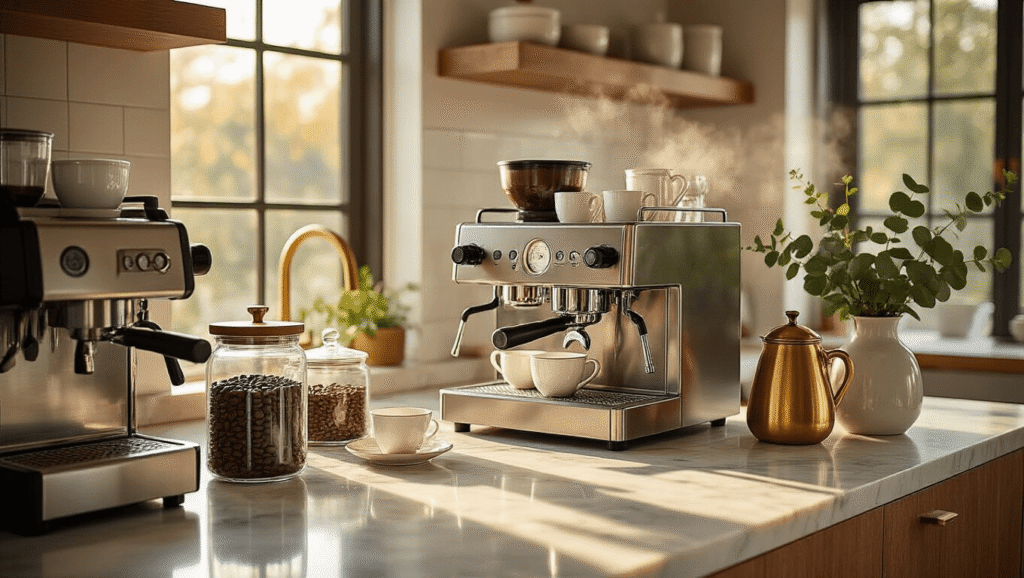
Everything changed when I decided to create my own coffee and tea bar right in my home. Not just a corner with a coffee maker, but a real setup that rivals my favorite café.
Why Your Morning Deserves Better Than Mediocre Coffee
Let me be brutally honest here. Most people’s home coffee situation is tragic.
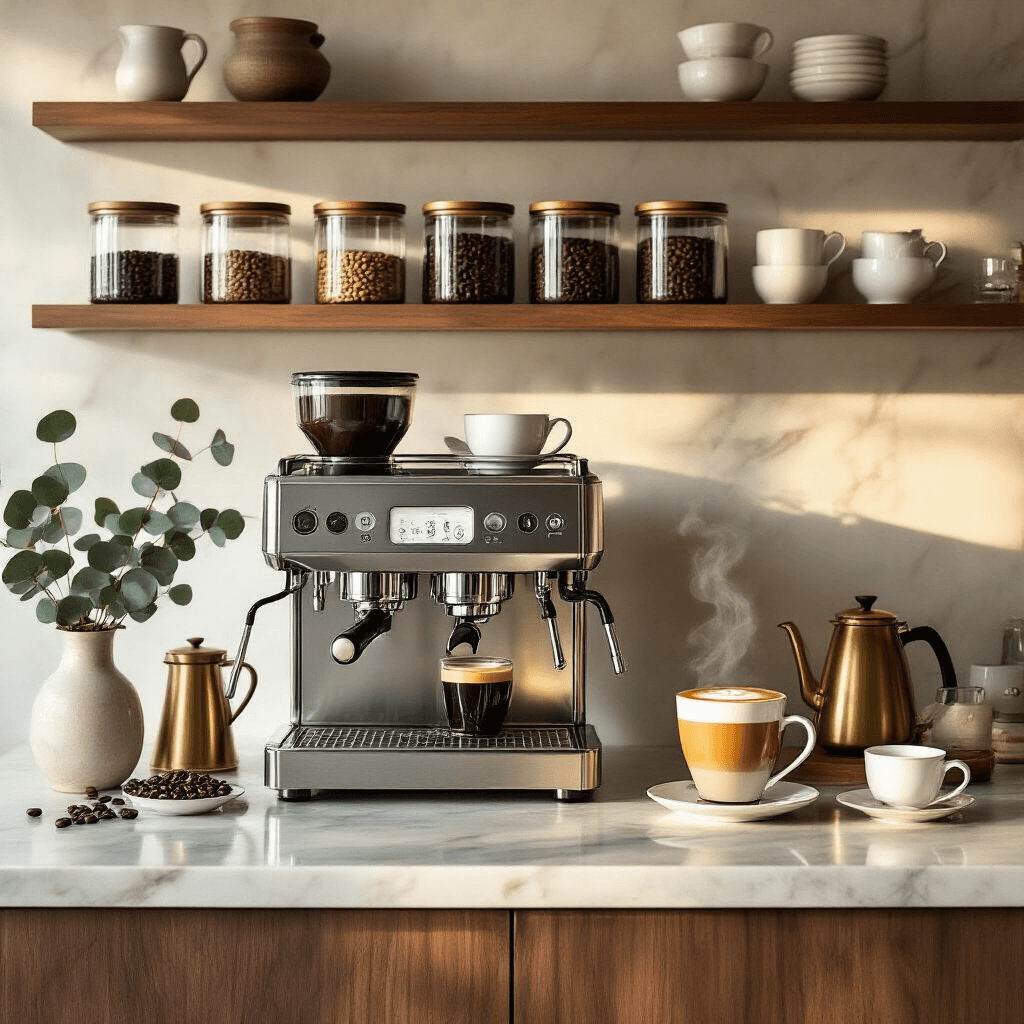
I used to think having a decent coffee maker was enough. Wrong. The difference between a proper coffee and tea bar setup and whatever you’re doing now is like comparing a home-cooked meal to gas station food.
Here’s what most people get wrong:
- They buy cheap equipment then wonder why everything tastes bitter
- They store coffee beans in the bag they came in (absolute crime)
- They ignore water quality completely
- They treat tea like an afterthought
The Foundation: Equipment That Actually Works
When I started building my coffee and tea bar, I learned that good equipment isn’t expensive—it’s an investment.
Coffee Essentials You Can’t Skip
Your espresso machine doesn’t need to cost three thousand dollars. But it does need to produce consistent pressure and temperature.
I spent weeks researching before choosing mine. The difference in my morning cup was immediate and dramatic.
Must-have coffee equipment:
- Burr grinder (not blade grinder—those destroy coffee)
- Digital scale for precise measurements
- Gooseneck kettle for pour-over perfection
- Quality coffee storage containers
Tea Deserves Equal Respect
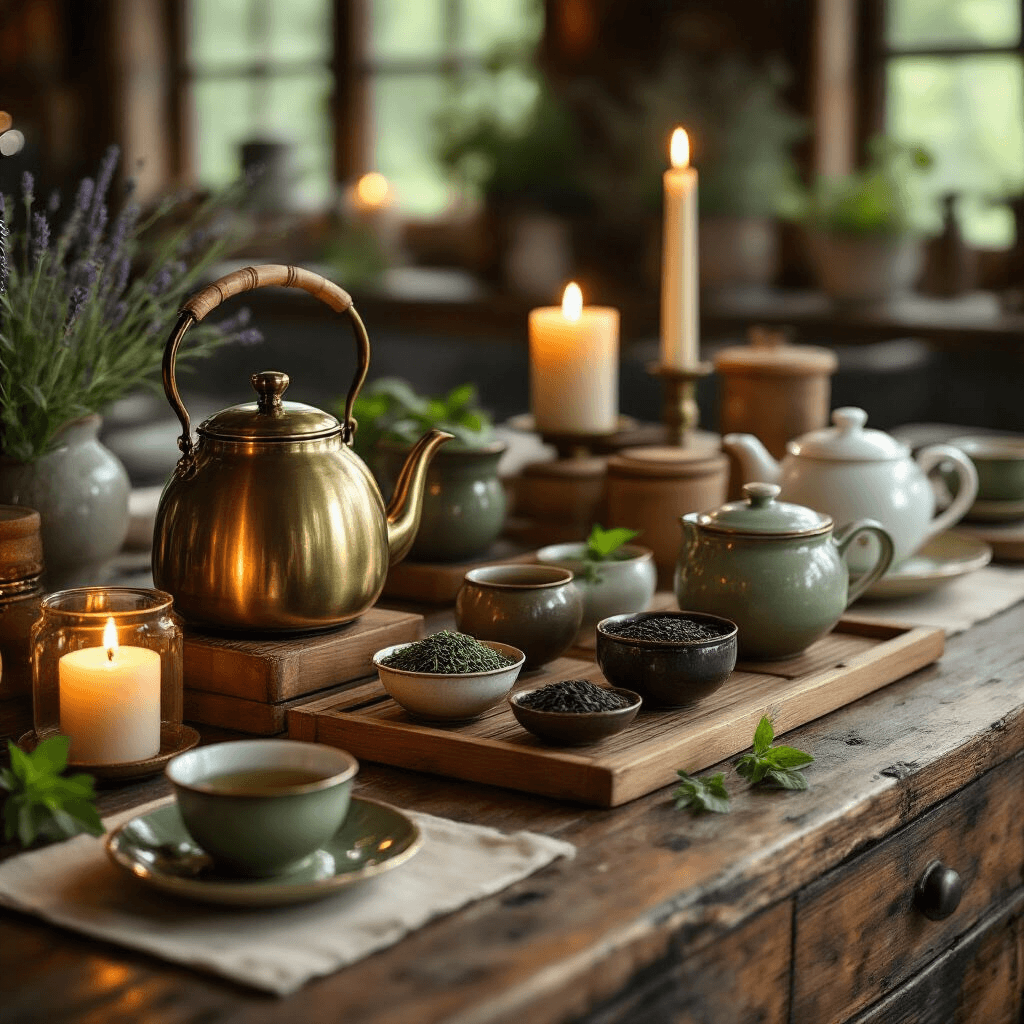
Here’s where most coffee lovers mess up completely. They create this elaborate coffee setup then throw tea bags in a drawer.
Tea requires just as much attention to detail. Different teas need different water temperatures. Green tea at boiling water temperature tastes like lawn clippings.
Essential tea equipment:
- Temperature-controlled electric kettle
- Various steeping vessels for different tea types
- Proper storage for loose leaf teas
- Timer for precise steeping
Designing Your Space for Maximum Impact
The visual appeal of your coffee and tea bar matters more than you think. I’m not talking about Instagram photos (though those are nice). I’m talking about creating a space that makes you excited to use it every day.
Layout That Actually Makes Sense
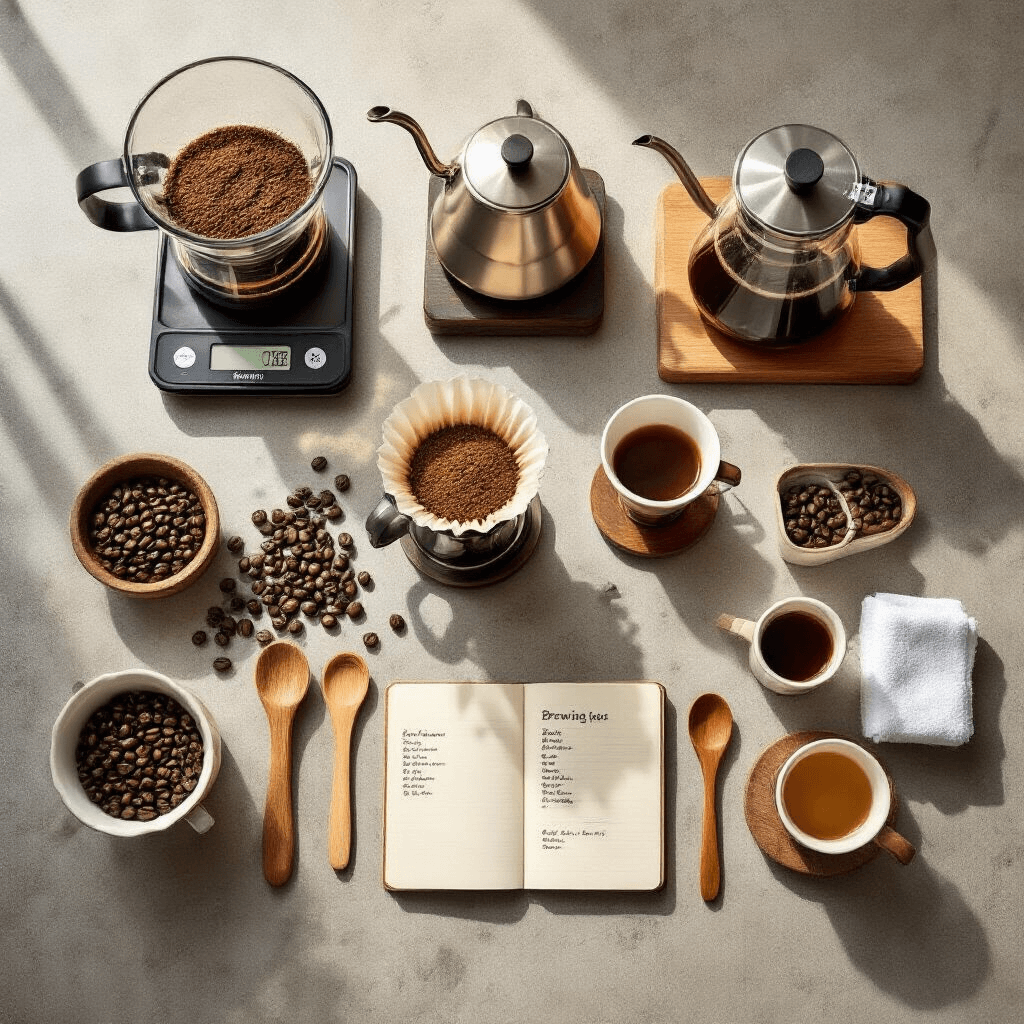
Most people create coffee stations that look pretty but function terribly. You don’t want to walk back and forth across your kitchen for one cup of coffee.
My workflow-based layout:
- Water source and kettle placement
- Coffee grinding station
- Brewing area with adequate counter space
- Storage for supplies within arm’s reach
- Cleanup zone with towels and cleaning supplies
Storage Solutions That Keep Everything Fresh
This part changed everything for me. Proper storage isn’t just about organization—it’s about preserving flavor.
Coffee beans lose their oils and flavor when exposed to air, light, or heat. Tea leaves are equally sensitive.
I invested in airtight coffee storage containers with date labels. Now I can taste the difference in week-old beans versus fresh ones.
Storage best practices:
- Airtight containers for everything
- Cool, dark locations away from appliances
- Date labeling system you’ll actually use
- Separate storage for different coffee origins
The Art of Selection: Beans, Leaves, and Everything Between
Building a proper coffee and tea collection takes time. Don’t try to buy everything at once. Start with basics and expand based on what you actually drink.
Coffee Selection Strategy
I used to buy whatever was on sale. Big mistake. Good coffee beans cost more upfront but deliver better value per cup than café visits.
My current rotation:
- Medium roast single-origin for morning brewing
- Dark roast blend for espresso drinks
- Light roast for afternoon pour-overs
- Decaf option for evening cravings
Building Your Tea Library
Tea intimidated me initially. So many types, temperatures, steeping times. I started simple and learned as I went.
Beginner-friendly tea collection:
- Earl Grey for classic afternoon tea
- Green tea for antioxidants and lighter flavor
- Herbal blends for evening relaxation
- White tea for delicate morning moments
Creating Café-Quality Drinks at Home
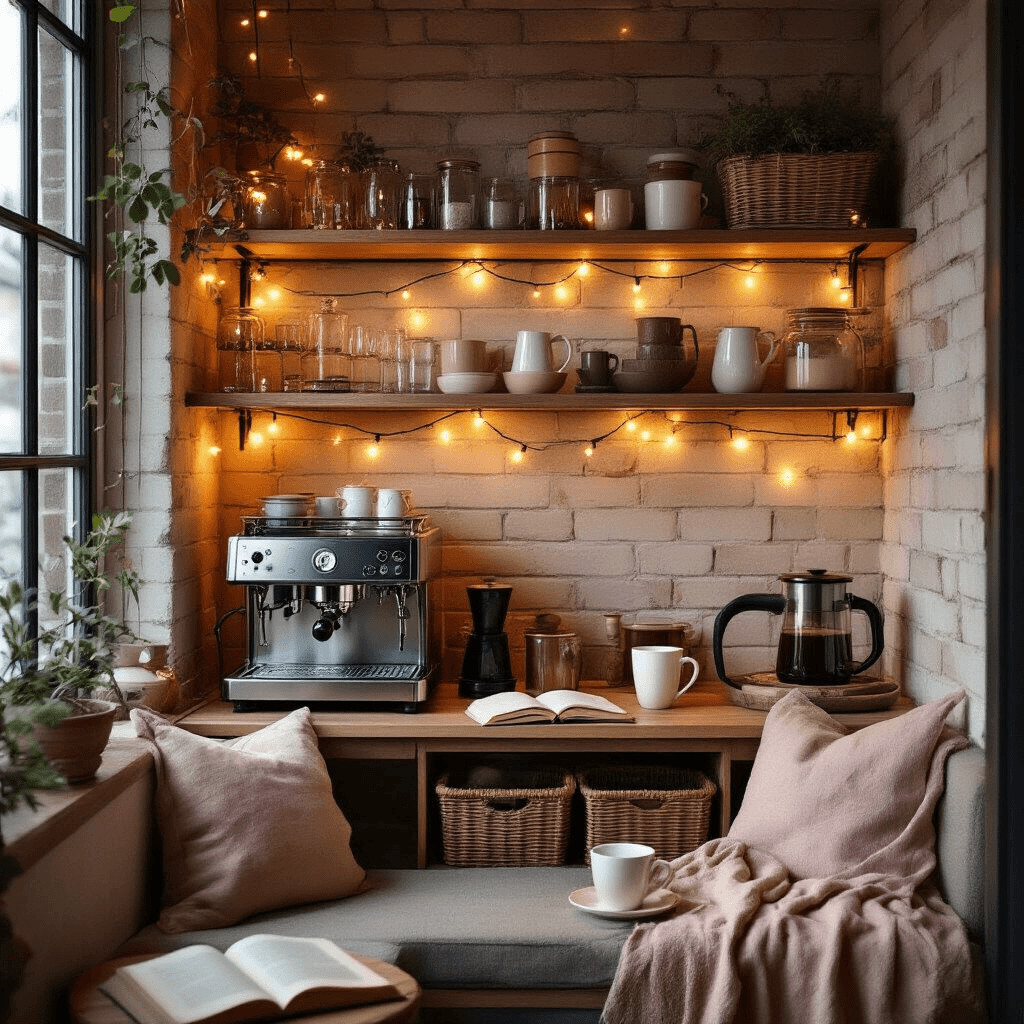
The real test of any coffee and tea bar isn’t how it looks—it’s how the drinks taste. I’ll share the techniques that took my home brewing from amateur to addictive.
Mastering Coffee Fundamentals
Water matters more than most people realize. If your tap water tastes off, your coffee will too. I use filtered water for everything now.
My daily coffee routine:
- Grind beans immediately before brewing
- Use proper coffee-to-water ratios (1:15 for most methods)
- Control water temperature (195-205°F for coffee)
- Time everything for consistency
- Clean equipment
This post may contain affiliate links. Please see my disclosure policy for details.