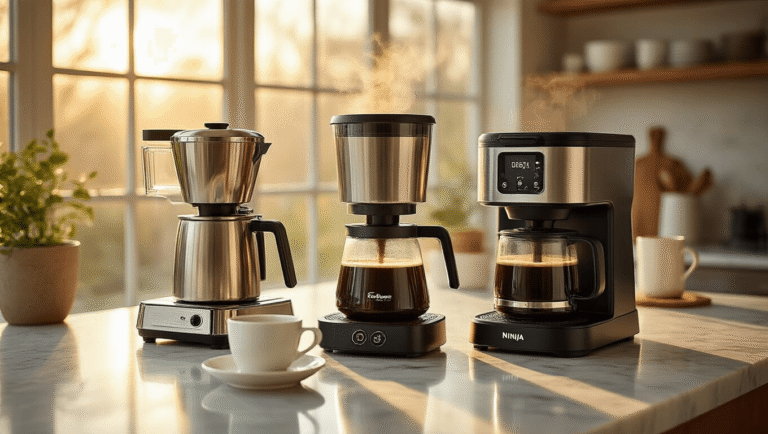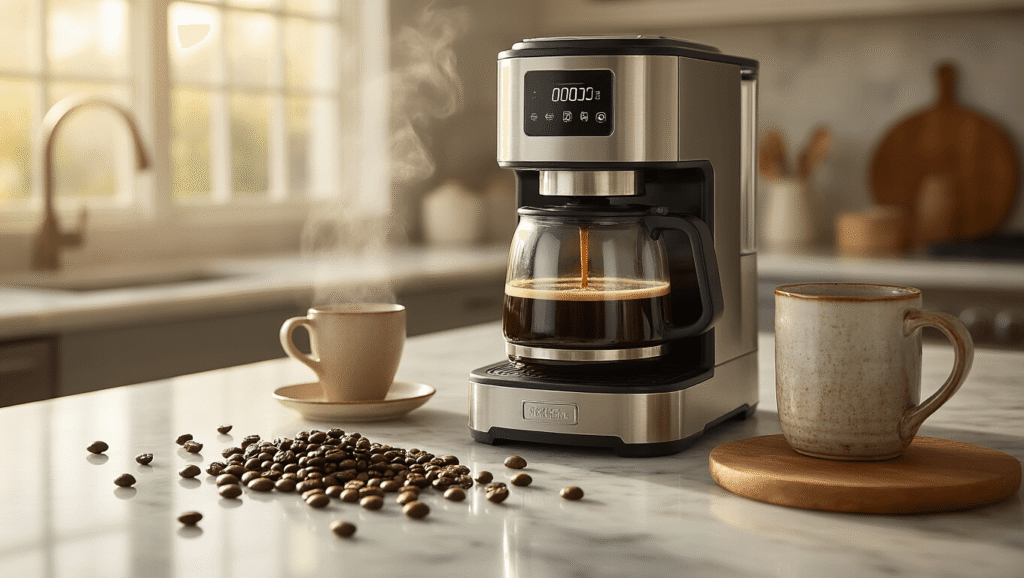
Is the Wolf Gourmet Coffee Maker Really Worth More Than Your Monthly Grocery Bill?
Contents
- Is the Wolf Gourmet Coffee Maker Really Worth More Than Your Monthly Grocery Bill?
- Why I Even Considered a $600 Coffee Maker
- What Makes This Machine Different (And Expensive)
- My First Week: The Good, The Bad, The “Wait, What?”
- Breaking Down the Features That Actually Matter
- The Price Tag Reality Check
- What Wolf Doesn’t Tell You
I’ve spent countless mornings wrestling with mediocre coffee makers that promise the world and deliver lukewarm disappointment.
The Wolf Gourmet Programmable Coffee Maker changed my perspective on what a drip machine can actually do.
Let me walk you through everything I discovered about this polarizing piece of kitchen equipment.
Why I Even Considered a $600 Coffee Maker
I’ll be honest—I laughed when I first saw the price tag.
Six hundred dollars for a machine that essentially heats water and pours it through ground coffee?
My old Mr. Coffee did that for thirty bucks.
But here’s what made me reconsider: every single morning started with disappointment.
- Weak coffee that tasted like sadness.
- Lukewarm temperatures that required microwaving (the ultimate coffee crime).
- Inconsistent results that made me dread my morning routine.
I wanted coffee that actually tasted like coffee, not flavored hot water.
What Makes This Machine Different (And Expensive)
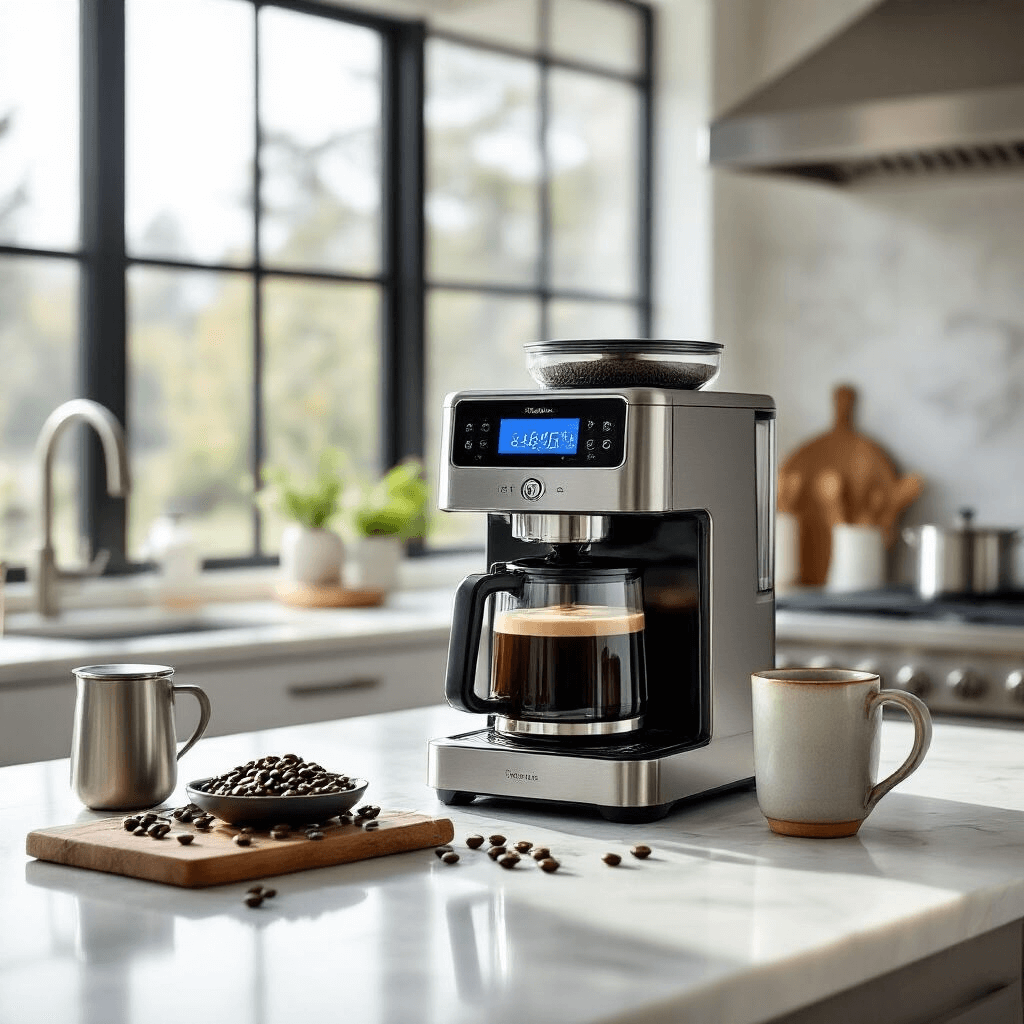
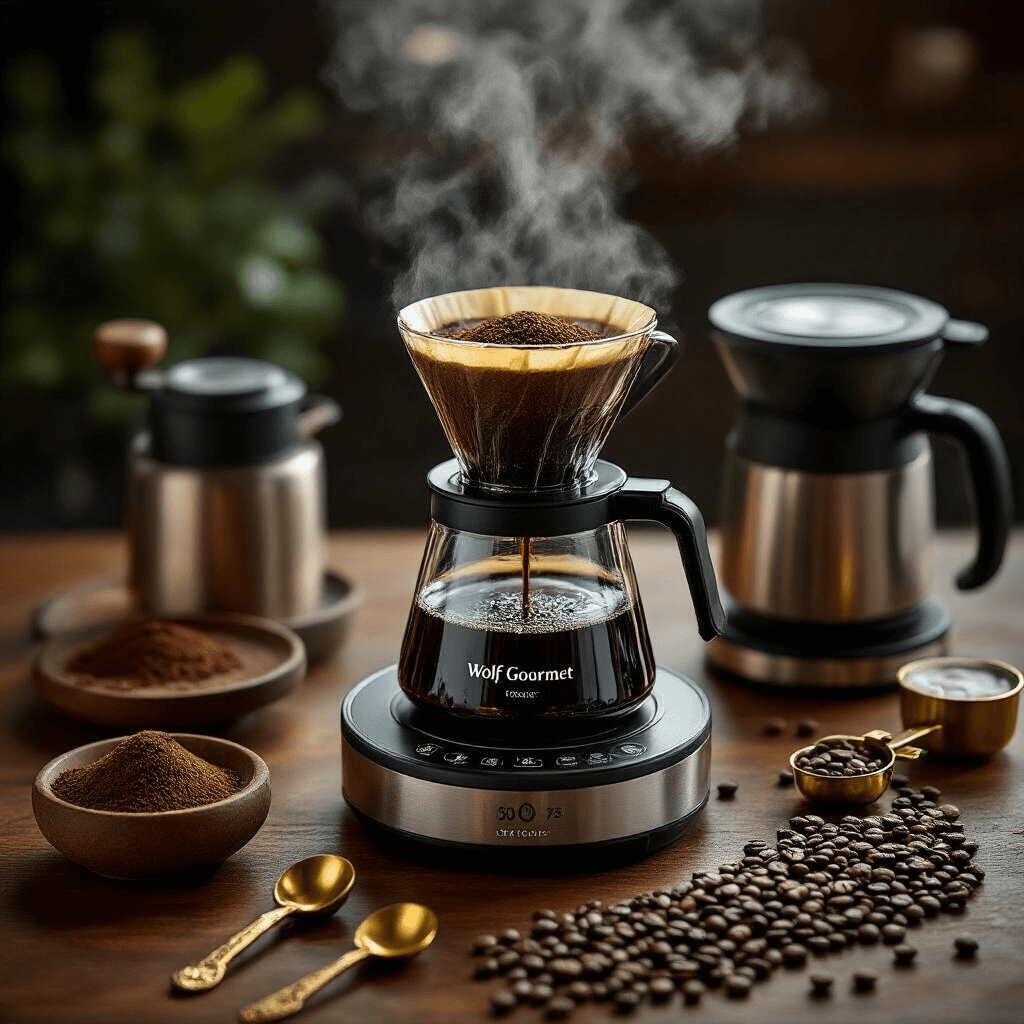
The Wolf Gourmet isn’t just another programmable coffee maker—it’s engineered like a piece of professional equipment.
The standout features:
- Built-in scale that weighs your coffee grounds automatically (no more guessing or measuring)
- Accu-Brew mode that adjusts water temperature and brewing time based on how much you’re making
- 10-cup thermal carafe that keeps coffee genuinely hot for hours
- Manual mode for control freaks like me who want to adjust everything
- No warming plate (which means no burnt, bitter coffee after 20 minutes)
The integrated scale blew my mind.
You dump in coffee grounds, and the machine tells you if you need more or less based on how many cups you’re brewing and how strong you want them.
It’s like having a barista living in your countertop.
My First Week: The Good, The Bad, The “Wait, What?”
The first brew was revelatory.
The coffee came out actually hot—not “tepid dishwater that used to be hot” but genuinely steaming.
The flavor was noticeably better than my previous machine, with proper extraction bringing out notes I didn’t know existed in my grocery store beans.
The Accu-Brew function impressed me most.
Whether I brewed two cups or ten, the taste remained consistent.
No more weak pots when I made less than a full carafe.
But then came the quirks.
The carafe pours like it has a grudge against you.
That first tilt releases a small dribble from the lid that seems determined to stain your countertop.
You learn to grab a coffee mug warmer or towel preemptively.
The machine is massive.
I’m talking “small appliance with delusions of grandeur” massive.
It dominates my counter like a stainless steel monument to caffeine.
If you have a tiny kitchen, measure twice before buying.
Breaking Down the Features That Actually Matter
The Built-In Scale
This changes everything about consistency.
No more scooping coffee with that crusty measuring spoon you’ve had since college.
The LCD screen shows exactly how many grams you’ve added and what you need.
How it works:
- Select number of cups (2-10)
- Choose strength (mild, medium, bold)
- Add grounds until the scale says stop
- Press brew and walk away
I tested this against my digital kitchen scale method—the results were identical, but the built-in version saved 90 seconds every morning.
Accu-Brew vs Manual Mode
Accu-Brew is for busy mornings when you just need coffee to happen.
The machine adjusts brewing temperature (between 195°F and 205°F) and timing automatically based on your selections.
Manual mode lets you control brew strength independently—useful when you’re trying new beans and want to experiment.
I use Accu-Brew 90% of the time because I’m not a morning person and decision-making before caffeine is dangerous.
The Thermal Carafe Situation
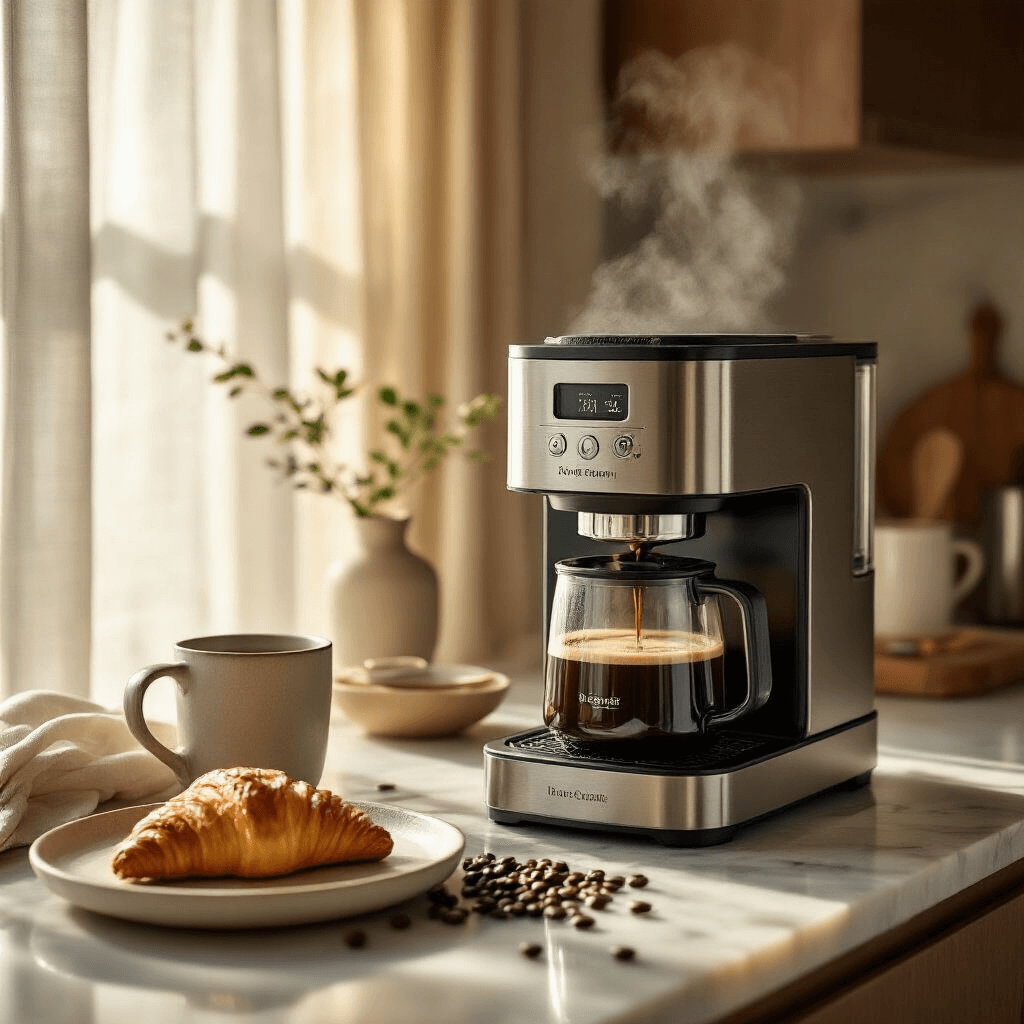
The double-walled thermal carafe keeps coffee hot for genuinely impressive stretches.
I’ve had drinkable coffee four hours after brewing—something my old glass carafe with warming plate never achieved without creating burnt tar flavor.
The downside?
Getting the last half-cup requires removing the entire lid.
The spout doesn’t reach all the way to the bottom, so you end up either leaving coffee behind or performing acrobatic tilting maneuvers.
It’s a minor annoyance that becomes major when you’re late for work and need every drop.
The Price Tag Reality Check
Let’s address the elephant in the kitchen.
$600 is absurd for a drip coffee maker.
You could buy a quality burr grinder and a solid pour-over setup for less.
You could get an entry-level espresso machine.
You could buy six months worth of premium coffee beans.
But here’s my cost breakdown after six months of use:
- Coffee consumed per day: 6 cups
- Cost per brew compared to café coffee: saves ~$4 daily
- Payback period at current usage: ~5 months
- Intangible benefit of not wanting to throw my coffee maker out the window: priceless
If you’re someone who:
- Makes coffee every single day (multiple times)
- Currently buys coffee out regularly
- Values consistency and quality
- Has counter space and budget
Then the math starts making sense.
If you’re a casual coffee drinker who’s fine with standard drip machine results, this is absolutely overkill.
What Wolf Doesn’t Tell You
The cleaning routine is non
This post may contain affiliate links. Please see my disclosure policy for details.