What the Heck Is the Difference Anyway?
Contents
Here’s the thing nobody tells you upfront: espresso isn’t just strong coffee.
It’s a completely different brewing method that uses pressure to extract concentrated coffee in about 25-30 seconds. Regular drip coffee makers let gravity do the work, slowly filtering water through grounds.
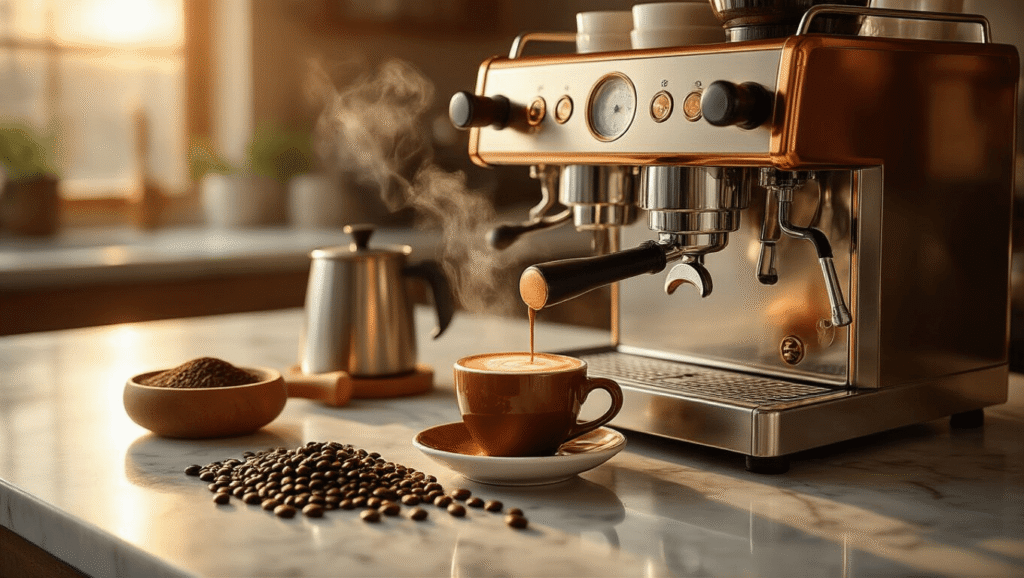
Espresso machines force pressurized water (around 9 bars of pressure) through finely-ground, compacted coffee. The result? That thick, syrupy shot with crema on top that makes your local barista look like a magician.
The Machines That Actually Deliver
Premium Options That Won’t Break the Bank (Much)
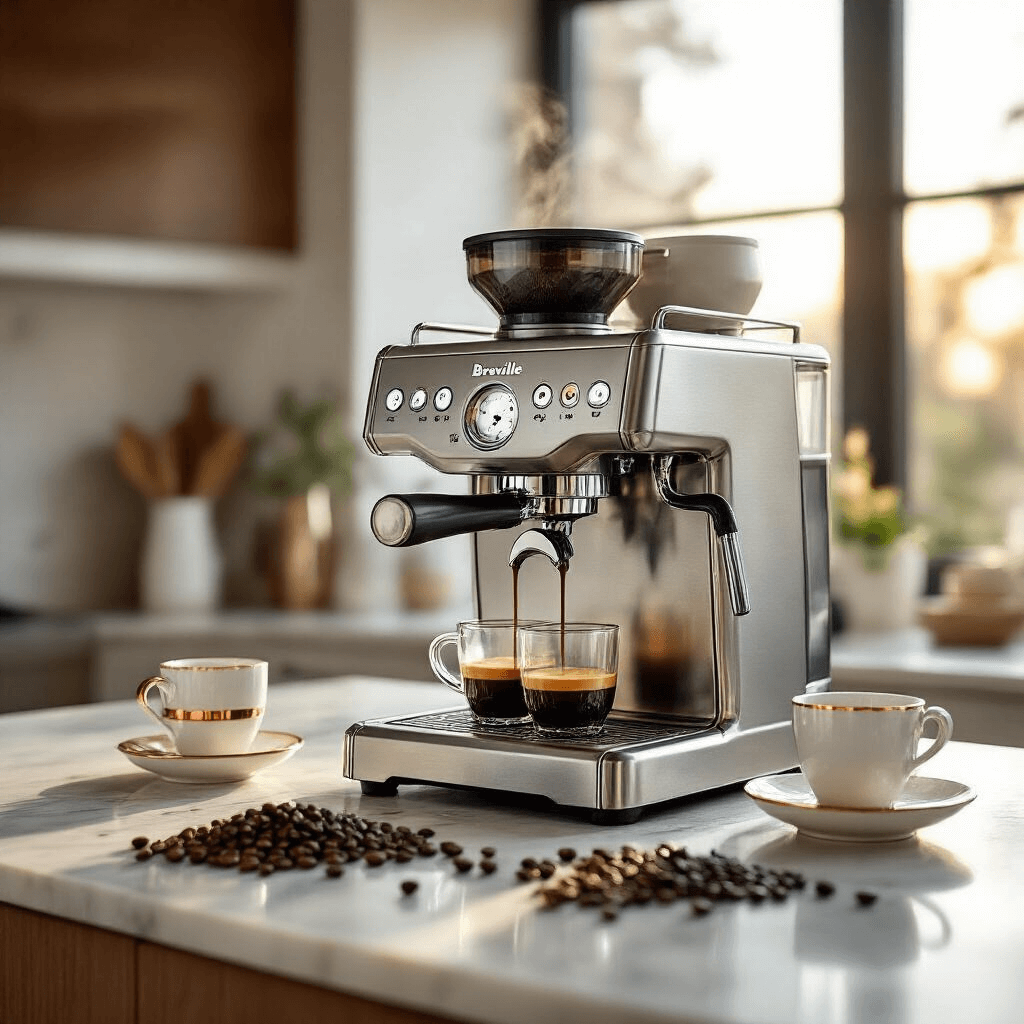
I tested a Breville Barista Express last year in my kitchen, and it changed my morning routine completely.
Breville has this thing they call the “4 Keys formula”:
- Precise grind size (because even a tiny adjustment changes everything)
- Optimal extraction temperature (nobody wants burnt or sour espresso)
- Exact extraction time (those 25-30 seconds aren’t random)
- Perfect milk texture (if you’re into lattes and cappuccinos)
Their automatic models let you tap a screen and walk away. Their manual versions? That’s for when you want to feel like an artist every morning.
For those who want the absolute best without selling a kidney, the Lelit Bianca V3 is something special. It costs about two-thirds what competitor machines charge, yet delivers pressure profiling that lets you control extraction like a scientist. Three independent pressure systems, both automatic and manual controls, and it comes with all those fancy accessories other brands make you buy separately. Multiple portafilters, premium tampers, filter baskets—it’s all included.

The Budget Champion Nobody Expected
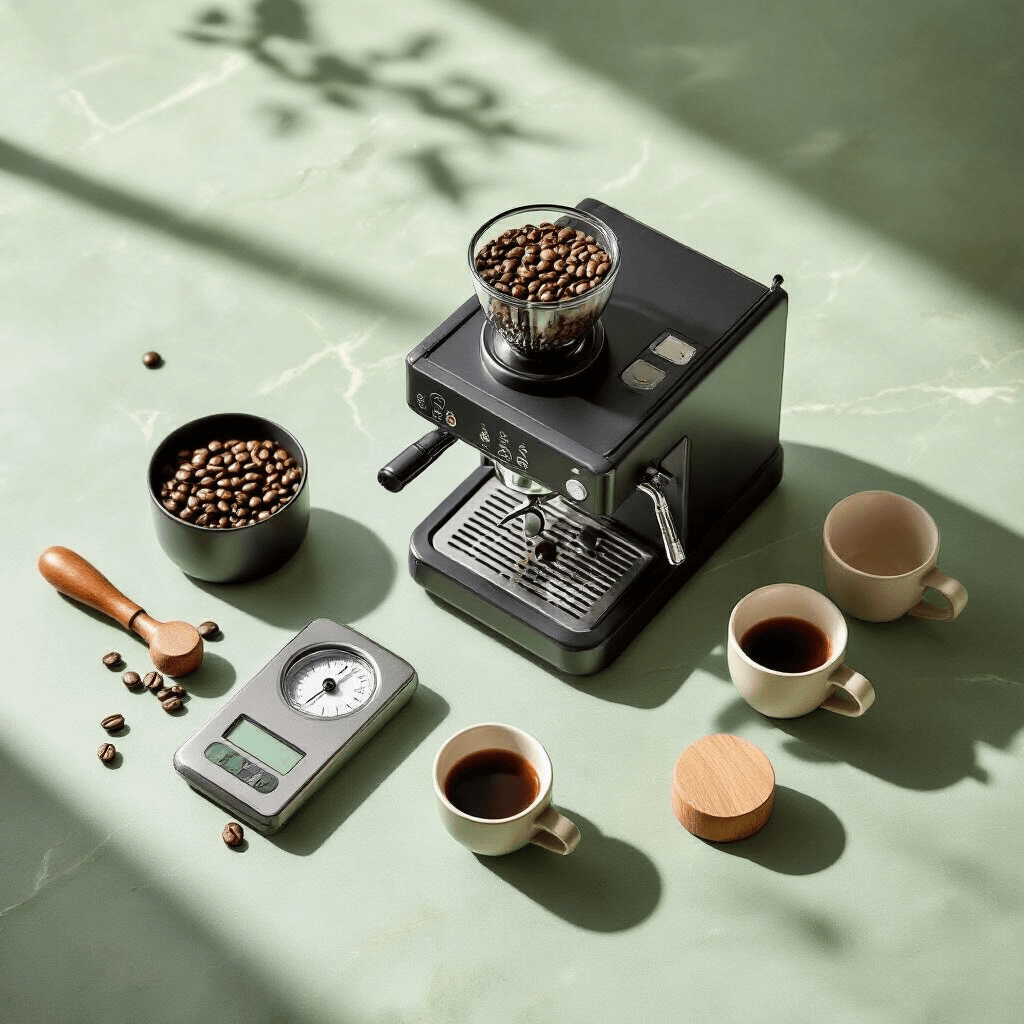
The Breville Bambino Plus shocked me.
Three seconds after you turn it on, you can pull a shot. Three seconds.
My old machine needed five minutes to warm up, and I’d stand there half-asleep, contemplating my life choices.
The Bambino Plus features:
- Instant-on capability that actually works
- Temperature stability that rivals machines costing triple the price
- Automatic milk frothing (they call it the MilQ system)
- Replacement parts that won’t make you cry when you check the price
Yes, the drip tray is ridiculously small. Yes, you’ll empty it constantly. But for the consistency and quality? I’ll empty that tray fifty times a day.
When You Can’t Choose Just One Type of Coffee
Some mornings I want espresso. Other mornings, I just need a regular cup of coffee while I stare blankly at my emails.
That’s where combination coffee and espresso makers become your best friend.
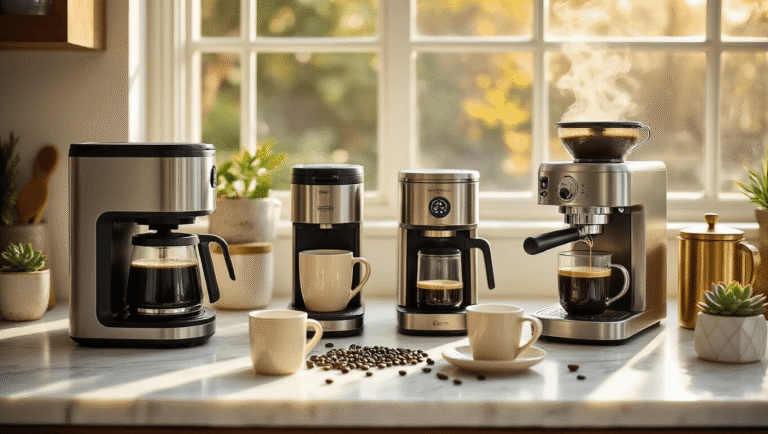
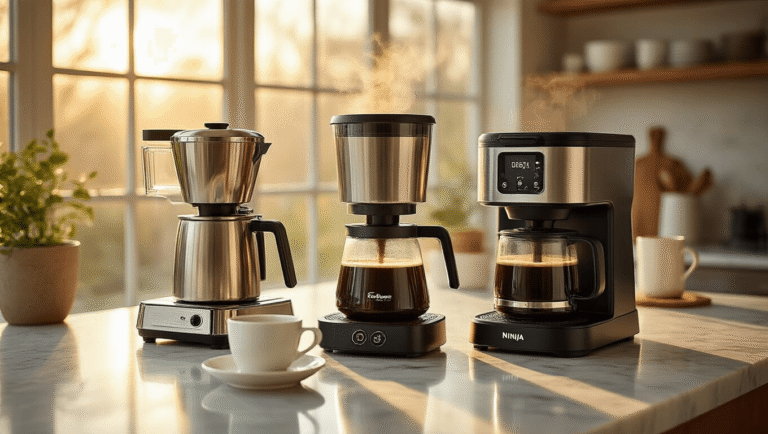
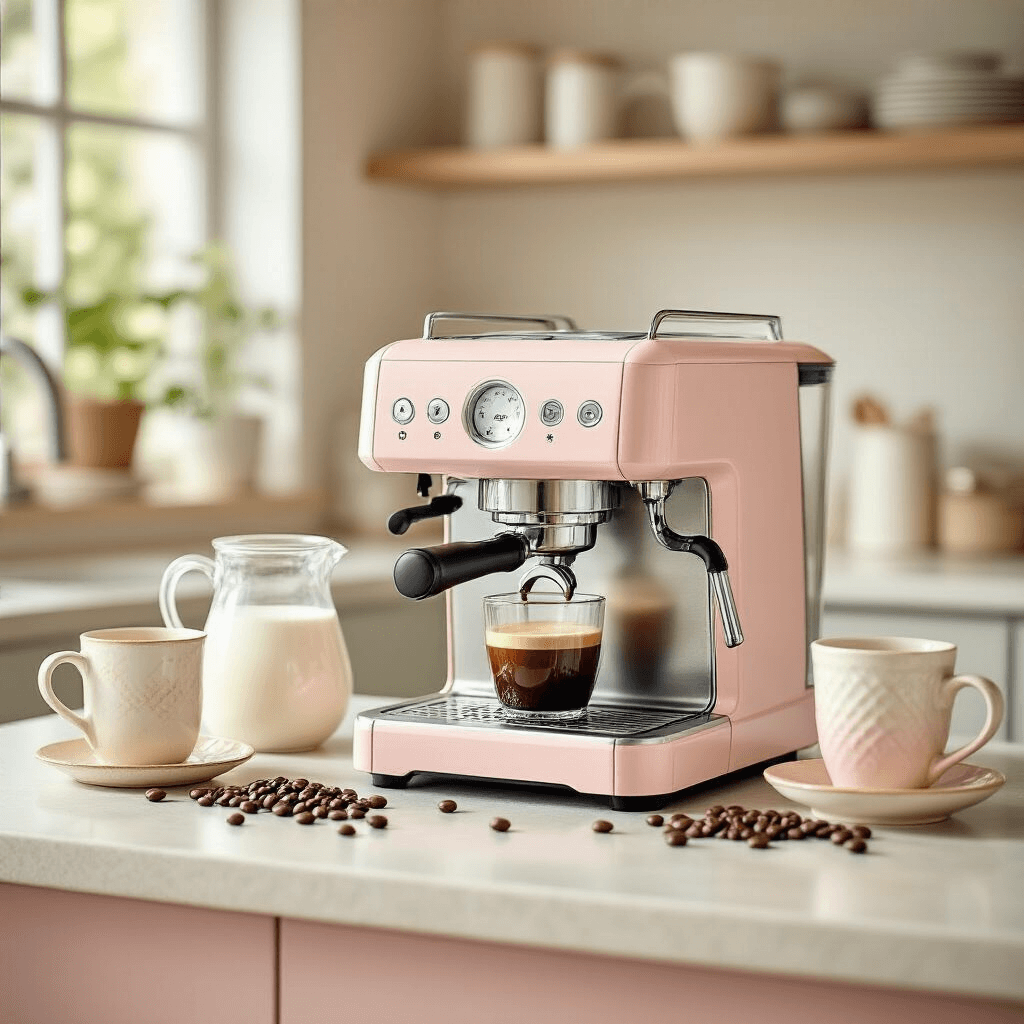
Brands like DeLonghi, Nespresso, and even some newer companies make machines that brew both drip coffee and espresso. One appliance, two completely different coffee experiences, less counter space consumed.
Target and Best Buy stock dozens of these combo machines now. Price ranges from “college student budget” to “I’m basically opening a café in my kitchen.”
My neighbor has a DeLonghi combo unit, and I’m slightly jealous every time I visit. She makes herself a full pot of regular coffee, then her husband gets his espresso shot, and they’re both happy. No arguments about counter space, no buying two separate machines.
The Features That Actually Matter (And the Ones That Don’t)
Temperature Control Is Everything
PID temperature controllers sound fancy and technical, but here’s what they actually do: they keep your water at the exact right temperature.
Without PID, your machine might swing between 195°F and 205°F. With PID, it stays locked at 200°F (or whatever you set it to).
That consistency means every shot tastes the same. No more morning roulette where Monday’s espresso is perfect and Tuesday’s tastes like regret.
Milk Frothing Capability
If you want lattes, cappuccinos, or those trendy flat whites everyone posts on Instagram, you need a milk frother or a machine with a steam wand.
Manual steam wands require practice. I burned milk more times than I’ll admit before getting microfoam right. The sound of sputtering, overheated milk haunts me.
Automatic frothing systems do the work for you. The Bambino Plus has one that actually produces proper microfoam, not just hot bubble bath. You can still use manual mode if you’re feeling adventurous (or masochistic).

Recovery Time Nobody Talks About
Making drinks for guests? Recovery time determines if you’re playing barista all morning or actually enjoying company.
Single-boiler machines need time to switch between espresso brewing and steam mode. Pull a shot, wait, steam milk, wait, pull another shot, wait more.
Dual-boiler or advanced heating systems let you pull shots and steam milk simultaneously. If you regularly make multiple drinks, this feature moves from “nice to have” to “absolutely necessary.”
The Lelit Bianca V3 handles this beautifully with its advanced system. No awkward standing around while your machine decides if it wants to make steam or espresso.
Plumbing-In vs Tank Systems
Most home machines use water tanks you fill manually. It’s simple, straightforward, and works fine for most people.
Some premium machines offer plumbing-in capability, connecting directly to your home water line. The Lelit Bianca V3 includes this feature, which opens up advanced pressure profiling possibilities.
Unless you’re making dozens of drinks daily, the tank system works perfectly fine.
This post may contain affiliate links. Please see my disclosure policy for details.