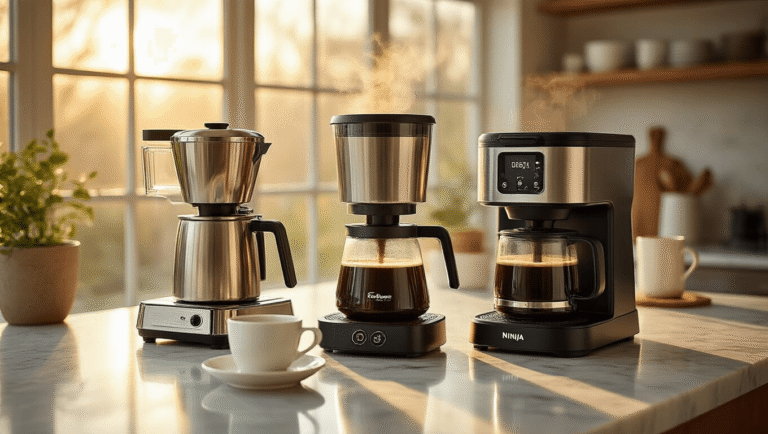
One Cup Coffee Makers: Everything You Need to Know Before Buying
One cup coffee makers have completely changed how I approach my morning routine.
I used to waste half a pot of coffee every single day, watching perfectly good brew go cold while I rushed out the door with just one messy mug in hand.
Sound familiar?
You’re probably here because you’re tired of the waste, the cleanup, or maybe you just want your coffee faster without sacrificing quality.
Let me walk you through everything I’ve learned about these compact brewing machines.
What Exactly Are We Talking About Here?
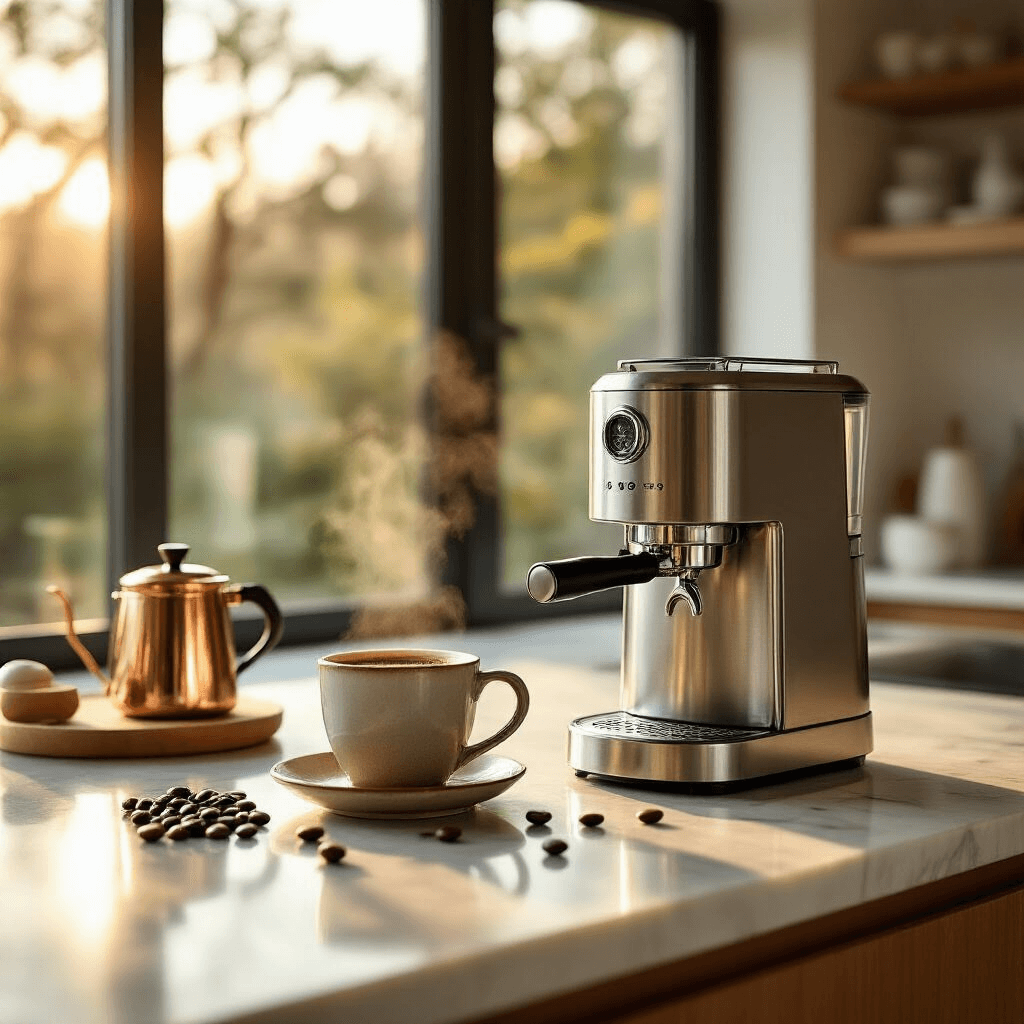
A one cup coffee maker brews a single serving at a time.
No pots. No carafes. No wasted coffee.
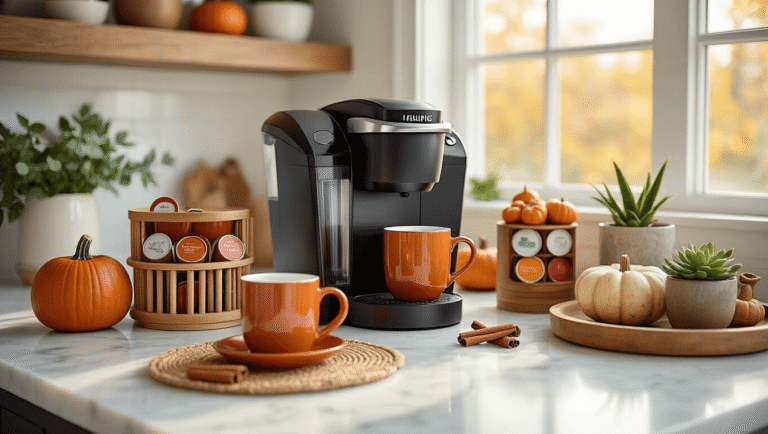
These machines work with either pre-filled pods (you know, those K-Cups everyone’s talking about) or regular ground coffee, depending on which model you grab.
The beauty is in the simplicity—press a button, wait about 90 seconds, and you’ve got fresh coffee in your favorite mug.
The Types You’ll Find (And Which One Actually Makes Sense)
Pod-Only Machines
These accept only branded capsules like K-Cups or Nespresso pods.
Super convenient, sure, but you’re locked into buying their specific pods forever.
The coffee quality ranges from “meh” to pretty decent, but you’re paying a premium for that convenience—usually 50 cents to a dollar per cup.
Ground Coffee Models
These work with any coffee you throw at them.
You control the beans, the grind, the freshness—everything.
Takes slightly more effort (we’re talking an extra 30 seconds here), but the taste difference is noticeable, and your wallet will thank you.
2-in-1 and 3-in-1 Hybrid Systems
Now we’re getting somewhere.
A 2-in-1 coffee maker handles both pods and ground coffee, giving you flexibility based on your mood and schedule.
The 3-in-1 versions add cold brew or iced coffee capabilities—perfect if you’re into variety.
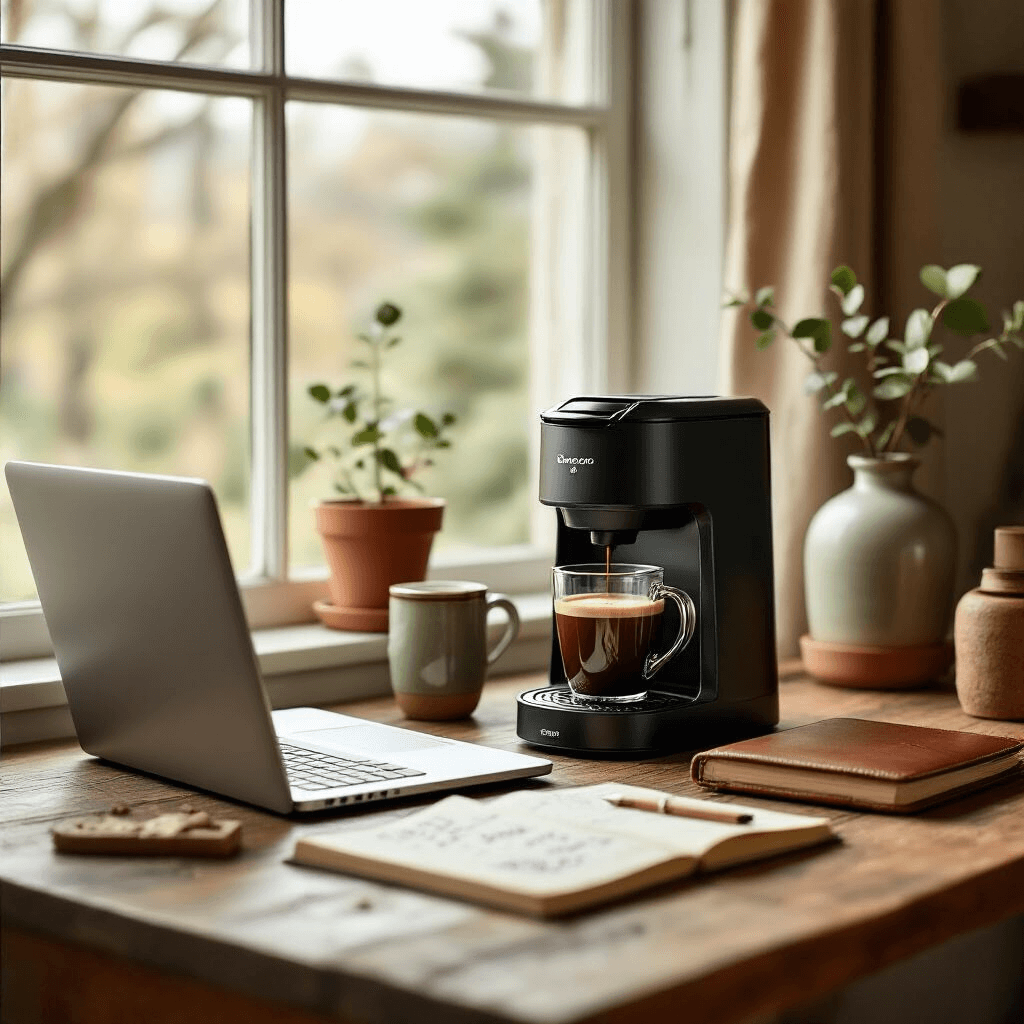
Features That Actually Matter (And The Ones That Don’t)
Brew Speed
Look, I’m not standing around waiting five minutes for coffee.
The best machines deliver a full cup in 90 seconds or less.
Anything slower and you might as well use a French press.
Reservoir Size
Here’s what nobody tells you: larger water tanks mean less refilling.
Models with 40-60 oz reservoirs let you brew multiple cups throughout the day without constantly running to the sink.
Single-cup doesn’t mean single-use—you’ll probably want more than one cup, trust me.
Brew Strength and Size Options
Can you adjust the strength? Can you choose between 6, 8, 10, or 12 ounces?
These aren’t luxury features—they’re essentials if you drink coffee regularly.
Some days I want a strong 6-oz shot to kickstart my morning. Other days I need a gentle 12-oz cup to sip while working.
A programmable coffee maker with multiple settings handles both scenarios.
Auto Shut-Off
Safety first, people.
Look for machines that automatically power down after brewing.
I’ve left mine on more times than I’d like to admit—thankfully, it turns itself off after two hours.
Removable Drip Tray
This seems minor until you’re trying to fit a travel mug under the spout.
Adjustable or removable drip trays accommodate everything from espresso cups to tall thermoses.
Built-In Frother
If you’re into lattes or cappuccinos, some models include a milk frother attachment.
Game changer for home barista wannabes.
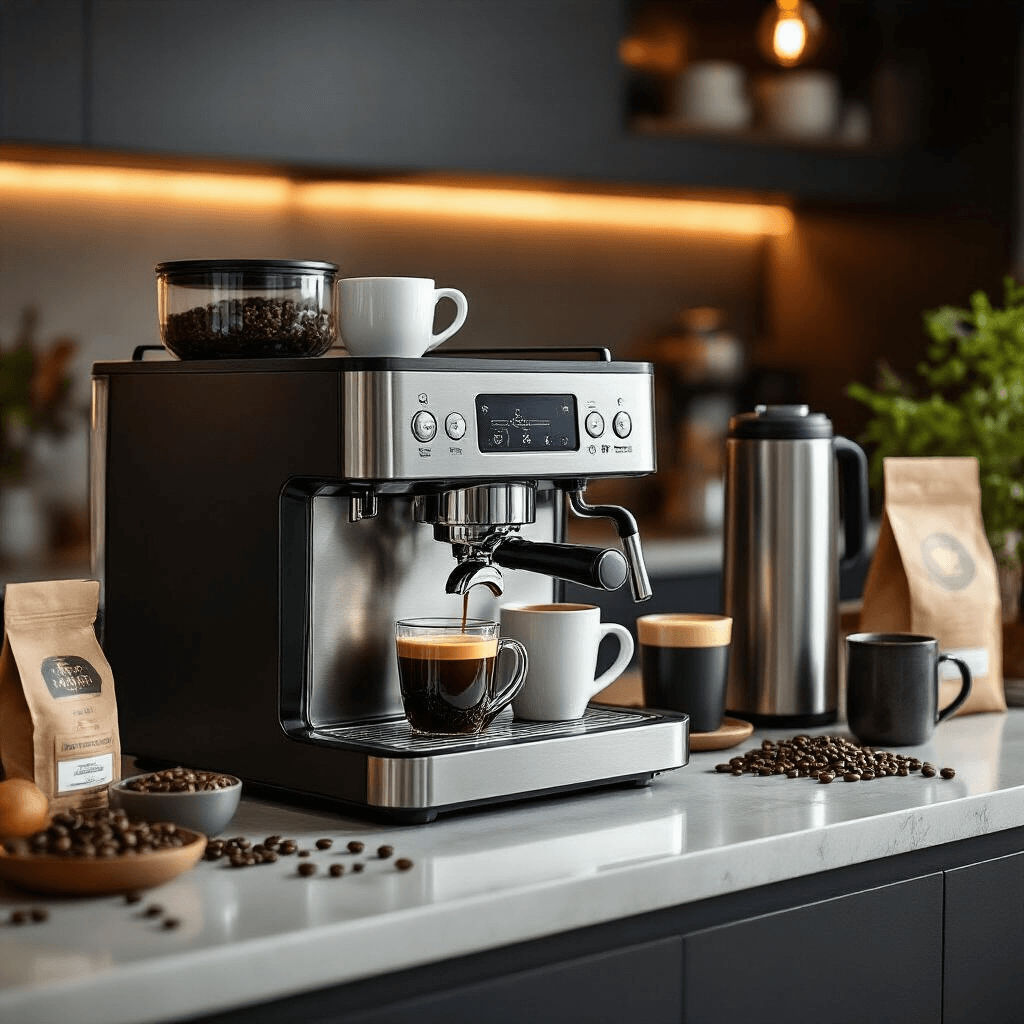
What I Wish Someone Had Told Me Before I Bought My First One
The Pod Problem Is Real
Those convenient little capsules?
They’re creating mountains of waste.
Literally billions end up in landfills despite being “recyclable” (because let’s be honest, who actually recycles them properly?).
If sustainability matters to you—and it should—go for models that accept reusable K-Cup filters.
Fill them with your own grounds, brew, rinse, repeat.
Taste Isn’t Always Top Tier
Even the best pod machines don’t match the flavor you’ll get from freshly ground beans in a quality brewer.
The convenience comes with a trade-off.
Consumer testing consistently shows that pod coffee ranks lower in taste tests compared to traditional brewing methods.
Brand Lock-In Is Sneaky
Buy a Keurig, you’re buying K-Cups forever (unless you get a 2-in-1).
Buy a Nespresso, same deal.
Think long-term about whether you want to be married to one brand’s pod ecosystem.
Cleaning Matters More Than You Think
Mineral buildup from water will wreck your machine over time.
Descaling every few months isn’t optional—it’s mandatory if you want your brewer to last.
Most manufacturers recommend descaling every 3-6 months depending on your water hardness.
Price Ranges (What You Actually Get For Your Money)
Budget: $35-$50
Basic functionality with pods and ground coffee. Simple one-button operation. Smaller water reservoirs (usually 14 oz).
Perfect if you’re testing the waters or need something for a dorm room.
Mid-Range: $50-$100
Larger reservoirs (40+ oz). Multiple brew sizes and strength settings. Better build quality. Some include iced coffee functions.
This is the sweet spot for most people—enough features without overpaying.
Premium: $100-$200+
Advanced temperature control (multiple settings). Built-in frothers for specialty drinks. Dual-pod compatibility (K-Cup AND Nespresso). Smart features and app connectivity.
Worth it if coffee is your daily ritual and you want café-quality drinks at home.
A premium single serve coffee maker in this range should last years with proper maintenance.
The Brands Worth Considering
Keurig
This post may contain affiliate links. Please see my disclosure policy for details.